



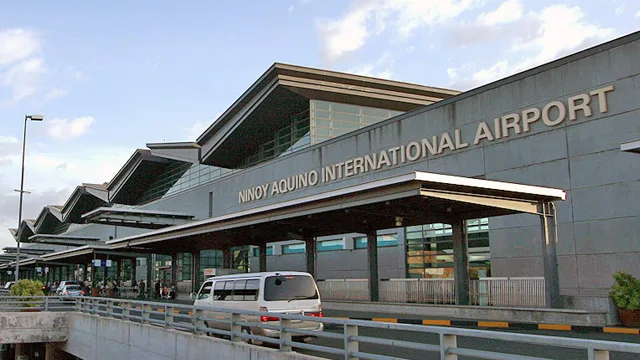

An upcoming reduction in airport charges covering dozens of government-run airports across the Philippines will leave out the country’s busiest hub, prompting a group of lawyers to escalate their legal challenge against the privatization of Ninoy Aquino International Airport.

Naia handled more than 52 million passengers in 2025 and accounts for roughly 80 percent of national air traffic, according to figures the lawyers cited from the Manila International Airport Authority. Yet travelers passing through the capital’s main gateway will see no relief from the fee reductions the Department of Transportation announced for April, since Naia has been under private management since September 2024.
The Civil Aviation Authority of the Philippines oversees 42 airports where the new rates will apply starting April 1. Aeronautical charges such as landing and takeoff fees will drop by close to 50 percent — a reduction of nearly P5,000 per landing — while terminal fees for international departures will fall from P900 to P700. Domestic passengers at international airports will pay between P150 and P200, compared with the current P350. Smaller commercial airports across the country will also see cuts, with community airport fees halved to P50.
New Naia Infra Corp., the private concessionaire that took over the airport under a public-private partnership arrangement, is not bound by those adjustments. Five lawyers — Joel Butuyan, Antonio La Viña, Soledad Mawis, Roger Rayel and Jose Mari Benjamin Francisco Tirol — filed an urgent motion before the Supreme Court on March 26 tied to an existing petition for certiorari and prohibition seeking to void that concession agreement.

In their view, both the PPP deal and Revised Administrative Order No. 1 issued by the MIAA are unconstitutional and illegal. The administrative order in question mandates higher charges at Naia beginning in the second year of the concession.
“This gross inequality and discrimination only serve to highlight yet again the grave unconstitutionality and illegality of the Philippine government’s arrangements with the New Naia Infra Corp. for the Naia PPP Project,” the lawyers said in a statement.
Beyond the fee structure, they warned that sustaining the concession would enable what they described as “connivance” between state agencies and business conglomerates in the management of public utilities — an arrangement they said runs counter to the government’s duty to keep public services affordable and accessible.
The lawyers are asking the high court to issue a restraining order halting the private operation of Naia, pointing to current economic pressures including an ongoing energy crisis and elevated prices of goods linked to the conflict in the Middle East.
