



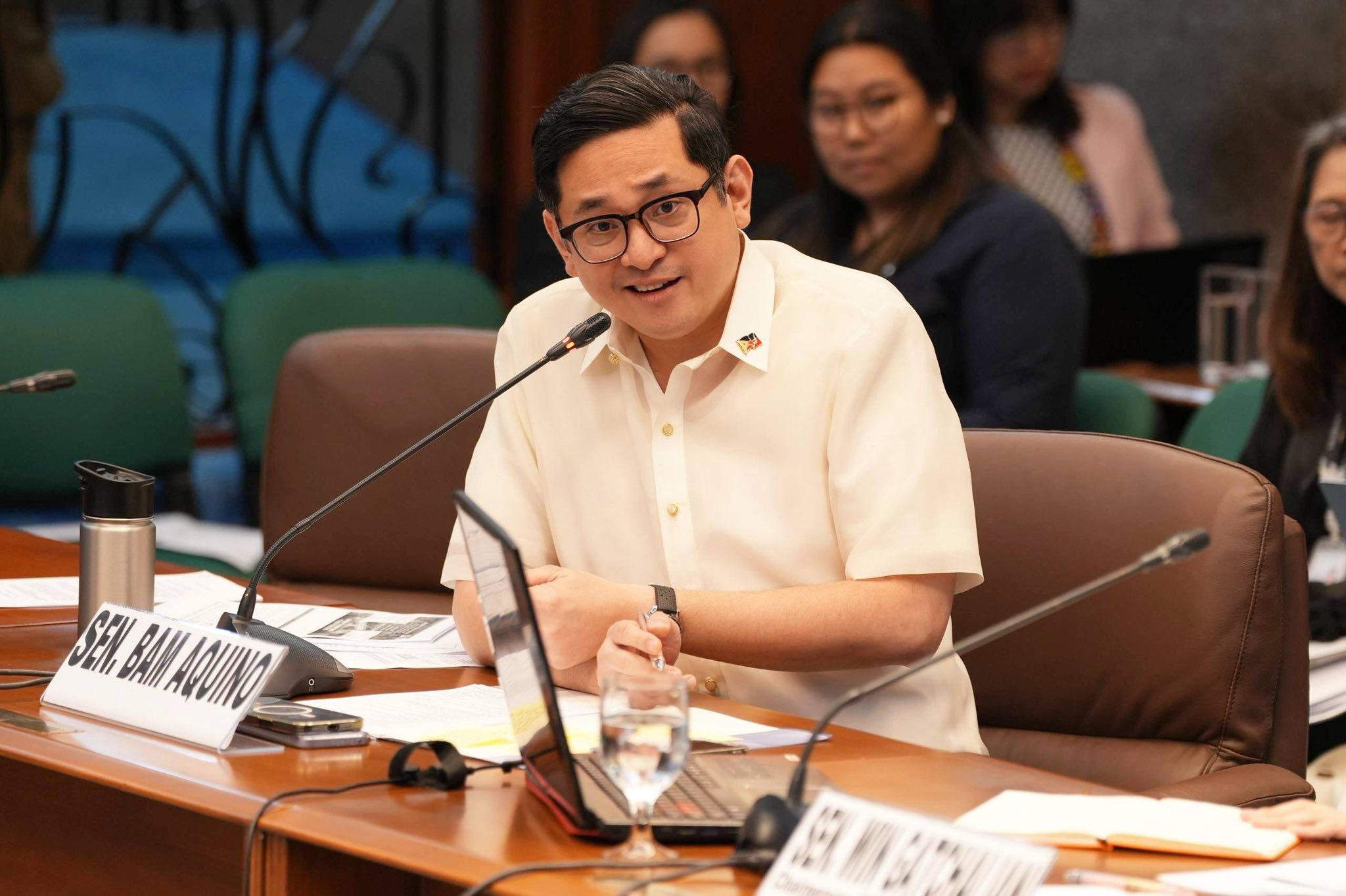

Transport operators and drivers struggling with record pump prices now have a legislative ally in Senator Bam Aquino, who filed Senate Bill 2011, or the Fuel Price Cap Bill, pressing the upper chamber to take up the measure as oil costs continue to squeeze livelihoods across the country.

The bill seeks to establish a clear statutory basis for the government to regulate petroleum prices — an authority that does not currently exist under the 1998 Oil Deregulation Law, which stripped the state of direct pricing control over the downstream oil industry and handed that function to market forces.
Aquino framed the proposal as a direct response to what he described as the inadequacy of existing emergency measures. “Hindi sapat ang pagdeklara ng national state of energy emergency kung wala namang malinaw na kapangyarihan para magpatupad ng kontrol sa presyo ng mga pangunahing bilihin,” the senator said.
The filing comes as the Marcos administration navigates a fuel crisis triggered by escalating conflict in the Middle East, which has driven crude oil above $110 per barrel — roughly $30 higher than before tensions erupted in late February. Pump prices in Manila have since climbed to as high as ₱153.60 per liter for gasoline and ₱118.60 for diesel, figures the Department of Energy described as historically steep.

While Congress has already passed Republic Act 12316 — which allows the President to suspend or reduce excise taxes on petroleum products under certain conditions — critics and transport groups have argued the law stops short of directly controlling what consumers pay at the pump. The excise tax cuts it enables would reduce gasoline prices by around ₱10 per liter and diesel by ₱6, but economists at the University of the Philippines have noted the relief disproportionately benefits higher-income households, who consume more fuel.
Aquino has been among the most vocal Senate voices on the fuel crisis, co-authoring RA 12316, calling for faster deployment of financial aid to transport workers and small businesses, and urging economic managers not to let urgency stall at the bureaucratic level. “We rushed to pass that law. I hope you will also hurry up with the implementation of the law,” he said at a recent Senate hearing.
Senate President Vicente Sotto III separately filed his own bill to repeal the Oil Deregulation Law itself, arguing the nearly three-decade-old measure has consolidated corporate power at the expense of consumers and that the state must reclaim authority over petroleum pricing.
The Department of Finance has indicated that an executive order on excise tax cuts is unlikely before mid-April, with technical working group deliberations on the scope of any reduction still ongoing.
