





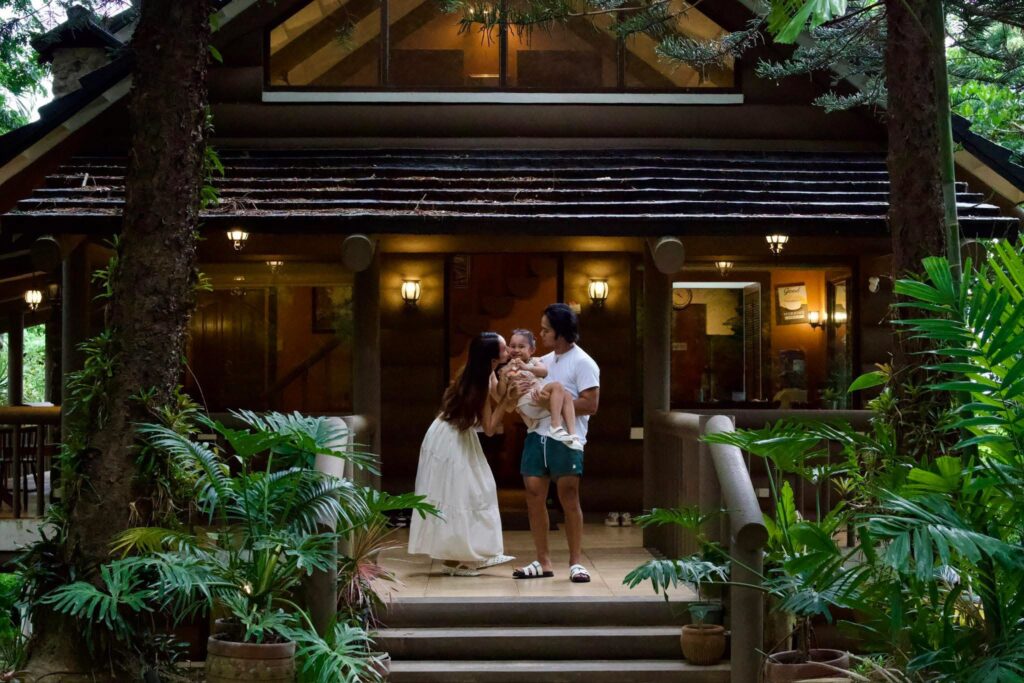
A ₱700 investment is the kind of sum most people spend without thinking — a couple of grocery runs, a tank of gas. It is not, by any reasonable measure, the seed of an international life. Yet that figure is exactly where Albert Brian Olita and Joyce Balino Olita began, packing dried flowers by hand in the Philippines late into the night, celebrating each order as though it were a windfall.

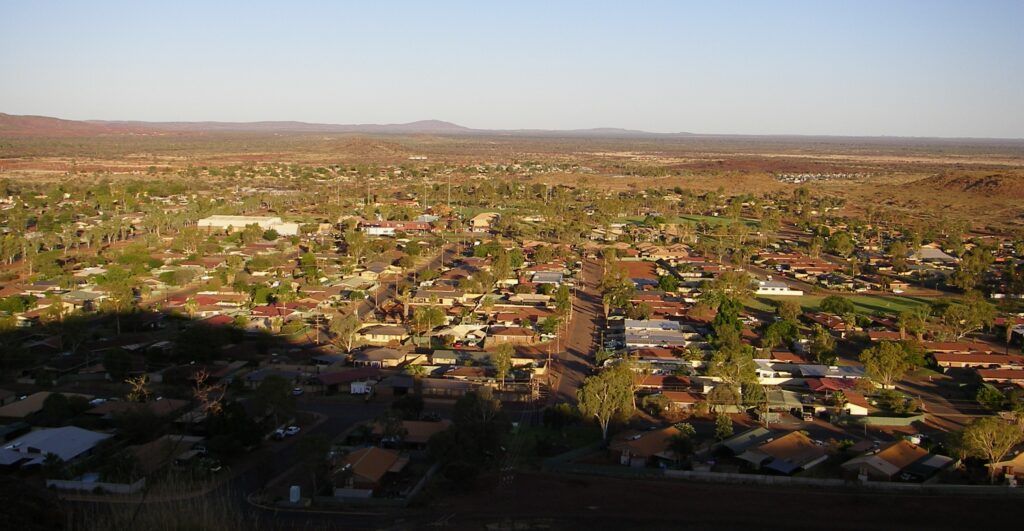
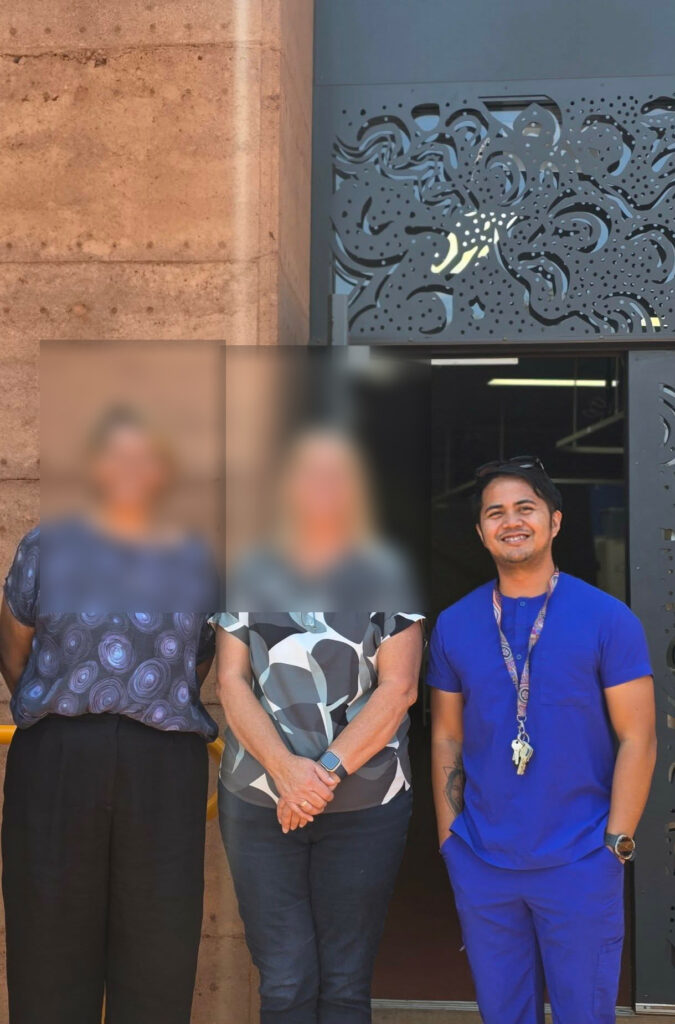
Today, one of them runs dialysis machines in a remote Indigenous community in Western Australia, a 14-hour drive from Perth. The other coordinates operations for a logistics firm spanning Australia, New Zealand, and parts of Asia. Between the two points sits a decade of decisions that were rarely dramatic and almost always deliberate.
The business that measured success in tomorrows
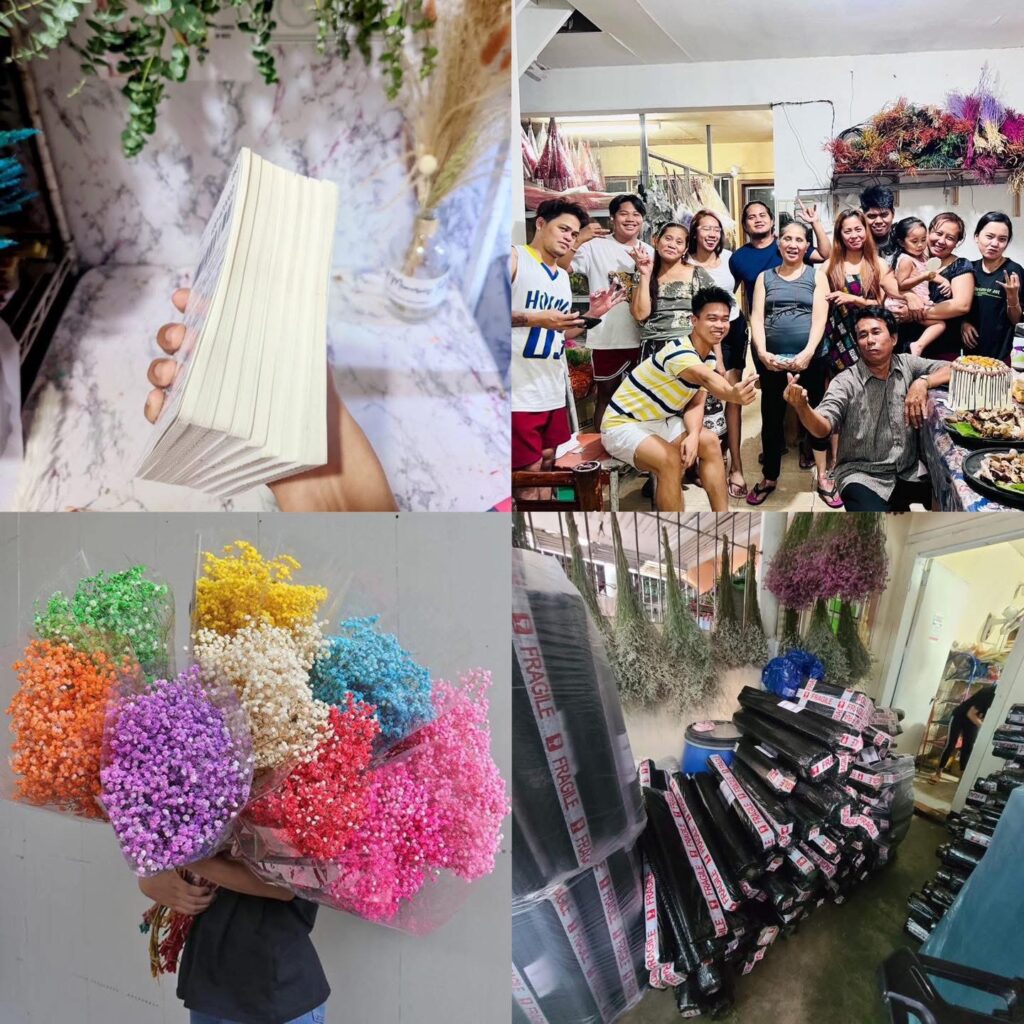
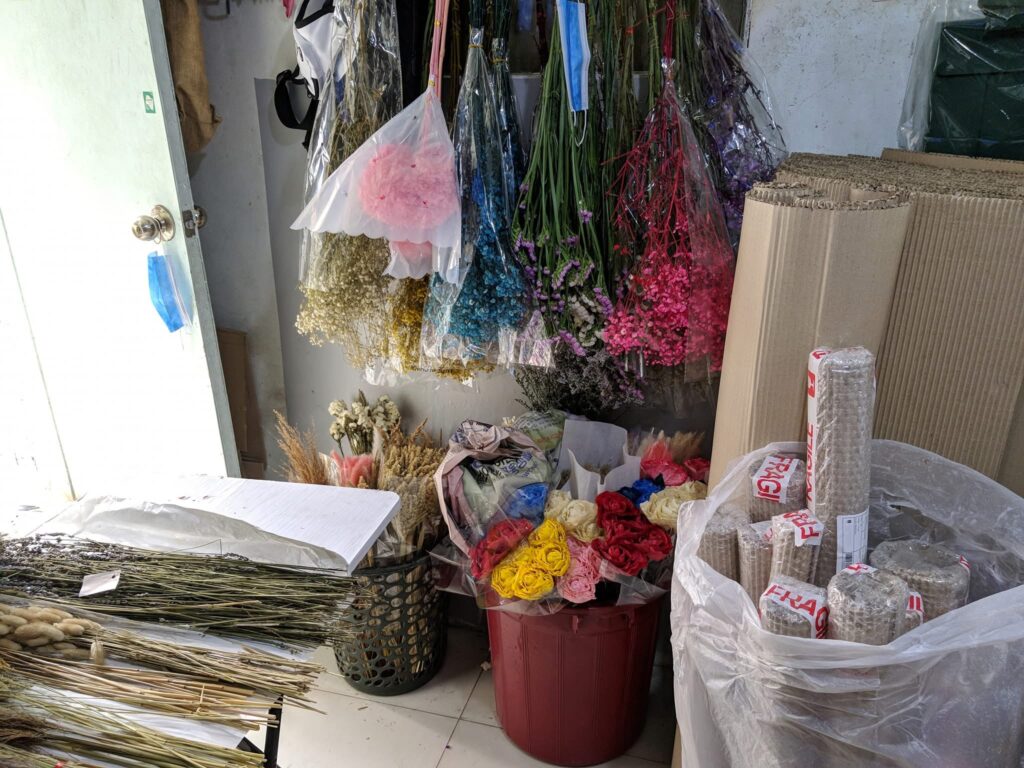
Before there were visas and IELTS exams, there were flowers — dried, carefully arranged, and shipped across the Philippines. The starting capital was ₱700. The staff was two people and a supportive father.
“At that time, success wasn’t measured in profit,” the couple recalls. “It was measured by having enough orders to keep going the next day.”
That framing tells you something about how Brian and Joyce operate. The dried flower business was never glamorous, but it was a classroom. It taught them to save, to budget, to reinvest rather than spend — habits that would later look less like thrift and more like strategy.
What they did not anticipate was longevity. The small operation run by two people has since grown into something that employs several workers back home. “Knowing that it not only supports our family but also helps create opportunities for others is something we never imagined when we first started with that ₱700,” Joyce says. For a venture born of scarcity, becoming a source of livelihood for others is perhaps its quietest and most meaningful return.
Studying for exams between shipments
The leap abroad did not arrive as a grand plan. It arrived during the uncertainty of the pandemic, when Brian spotted an opening through a healthcare recruitment agency and applied.
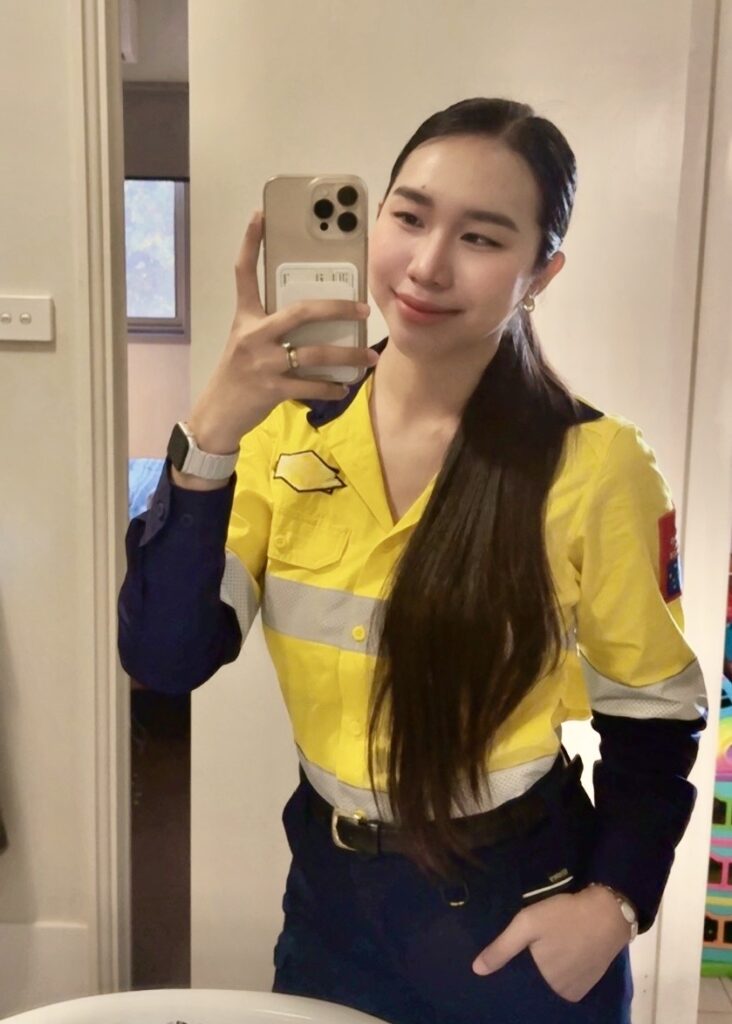

The logistics of that period are almost comically stretched thin. “He would study for his English exams while packing orders,” Joyce remembers. “We only have enough money for his IELTS exam at that time.” There was no financial cushion, no second attempt budgeted for — just one shot at a test that could change everything, squeezed between shipments of dried flowers.
As healthcare workers themselves, the couple understood the arithmetic that so many Filipino professionals face: hard work rarely translates into the future they wanted for their daughter. The United Kingdom became the first door, offering experience and stability. Australia came later, another leap of faith. “Looking back now, every move was driven by the same goal: creating a better future for our family,” Joyce says.

What remote living actually costs
From the outside, a fresh start abroad can look like arrival. Up close, it often looks like absence — of shopping centers, fast-food chains, and the small conveniences city dwellers never think to notice.
“The hardest part is honestly being so far away from everything,” Brian says of the remote community he now serves. The adjustment was real, and it was slow. But the isolation eventually reframed itself. “Life here is slower and quieter. We spend more time together as a family, enjoy the outdoors, and focus on experiences rather than distractions.” What began as deprivation became, over time, something closer to clarity.
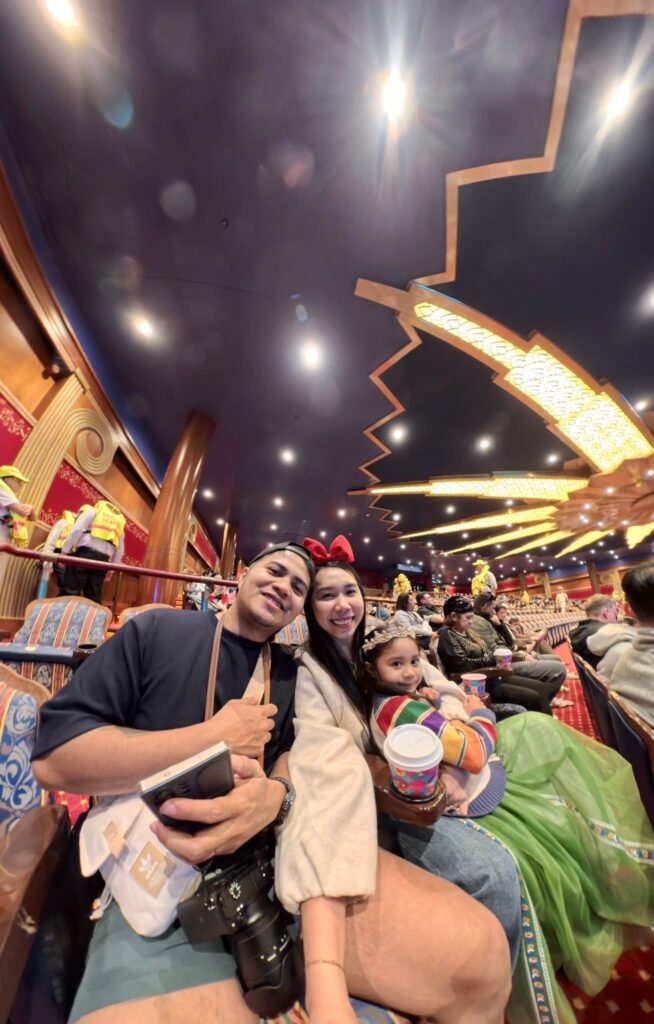
The sharper cost was never the missing amenities. It was the milestones watched through a phone screen — birthdays, holidays, the ordinary gatherings that distance turns into livestreams. “Those moments made us question whether the sacrifices were worth it,” the couple admits. New countries, unfamiliar cultures, starting from scratch each time — the doubt was recurring, not occasional.
What settled it, every time, was their daughter. “She reminded us why we started this journey,” Joyce says. The purpose was portable in a way that comfort was not.

Small decisions, compounding
Ask about the turning point — the moment the online business became rental properties back home — and the couple resists the premise. There wasn’t one.
“The turning point wasn’t a single moment,” they explain. “It was a series of small, consistent decisions.” The discipline learned selling dried flowers traveled with them overseas. Where overseas work tempts many toward spending, Brian and Joyce treated it as a chance to build. They lived below their means, stayed focused, and let modest savings accumulate into something with weight.
Those savings eventually became rental properties in the Philippines — investments they are quick to describe in terms other than financial. For them, the properties stand for “years of hard work, sacrifices, homesickness, and the courage to keep believing in a dream.” The family members who manage them from home are credited without hesitation.
The value they most want their daughter to inherit comes wrapped in a Filipino phrase: Mata sa taas, paa sa lupa — eyes on your dreams, feet firmly on the ground. It is advice about ambition and humility in equal measure, and it doubles as a fair description of how her parents built everything she’ll grow up around.
“Never be afraid to dream bigger than your circumstances,” Joyce says — a line that sounds like a slogan until you remember it was tested first on ₱700 and a stack of dried flowers.
