



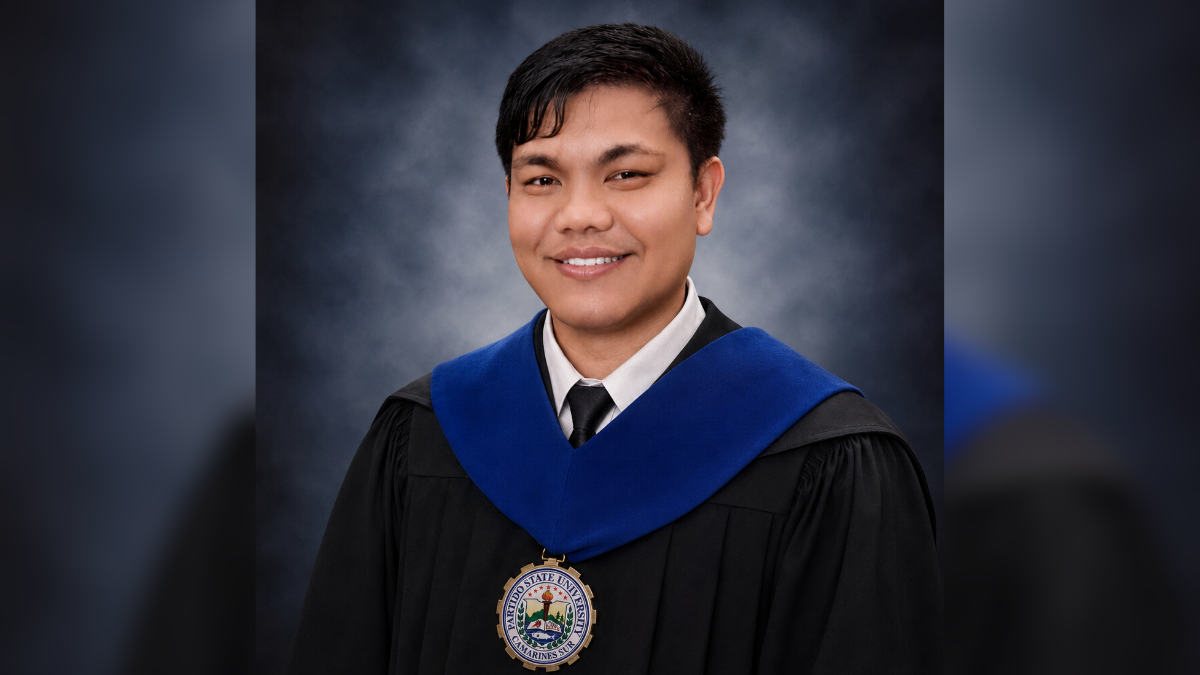

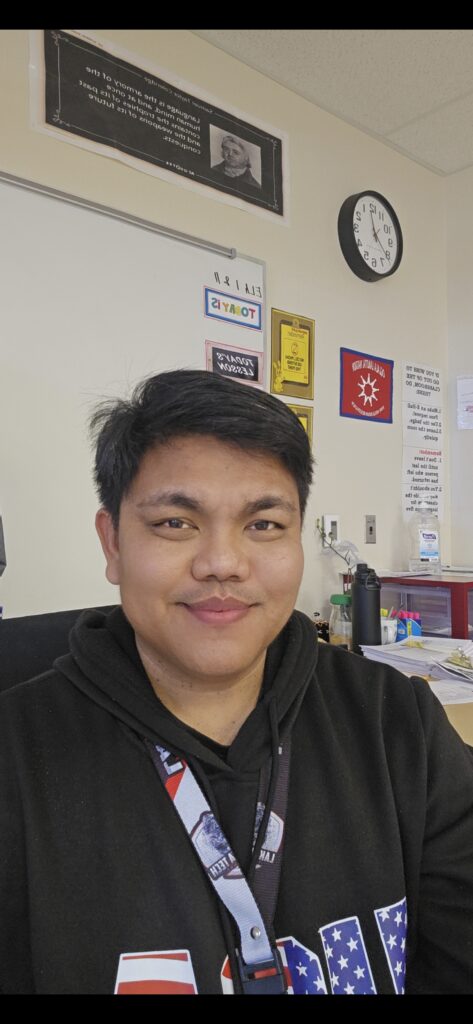
Not many teachers picture the American Dream as a stretch of prairie in one of the poorest counties in the United States. Fewer still would call it the best thing that ever happened to them. Yet that is exactly where Freddly Asuer landed — on the Pine Ridge Indian Reservation in South Dakota, teaching English Language Arts to Lakota teenagers at a school that did not even have a building of its own a few years ago.

For the 39-year-old educator, the posting was never about geography. It was about proving something — to himself, to his family, and quietly, to every Filipino teacher who has wondered whether their work could matter beyond the country’s borders.
Fourteen years, then a leap
Before South Dakota, there was a long apprenticeship. He spent nine years teaching English at Perpetual Help Learning Academy, a private school in Quezon City, before moving to Ernesto Rondon High School, a public secondary school under the Department of Education, where he taught for another five. Fourteen years in the classroom, a Cum Laude degree from Partido State University, and a Service Excellence Award earned through his college years on the university’s student publication — by any measure, he had built a stable, respected career at home.
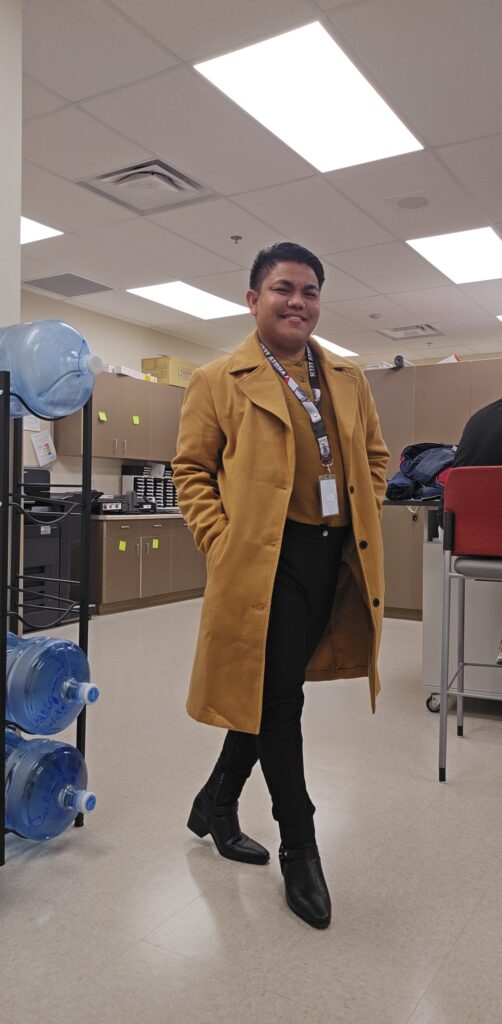
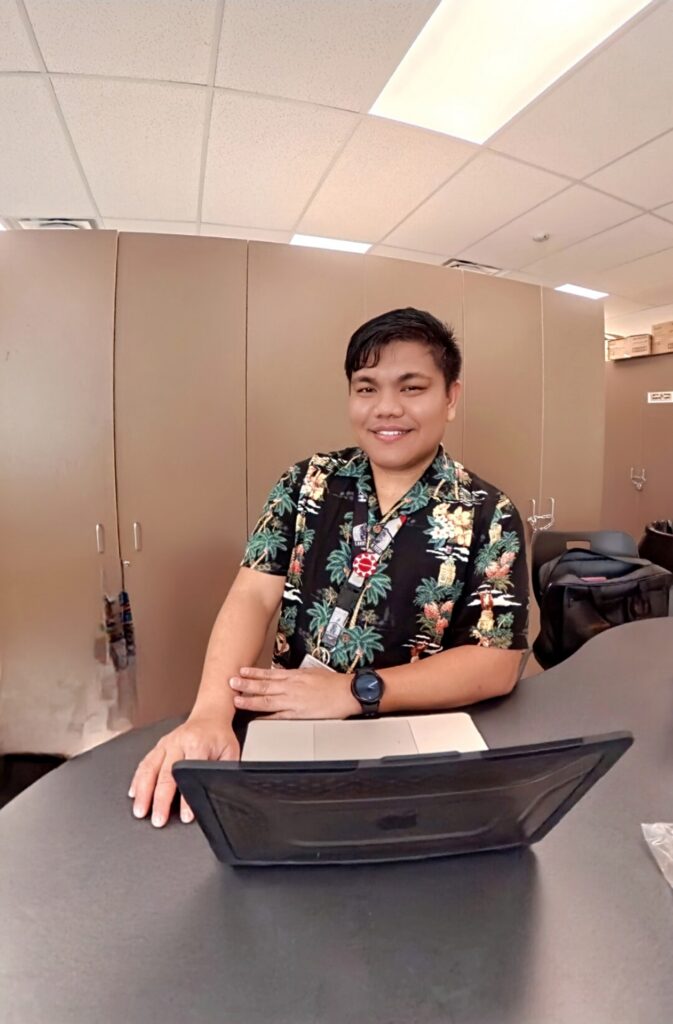
So the obvious question is why he left it. His answer refuses the easy explanation.
“Working abroad was never simply about earning a higher income,” he says. “I wanted to challenge myself professionally, experience a different educational system, and expand my perspective as an educator.”
In 2023, he joined the J-1 Teacher Exchange Program and took his first overseas post — the one he still holds. He arrived expecting a different education system. What he did not expect was how much the students would rearrange his own understanding of the job.
A reservation, a lesson he did not plan for
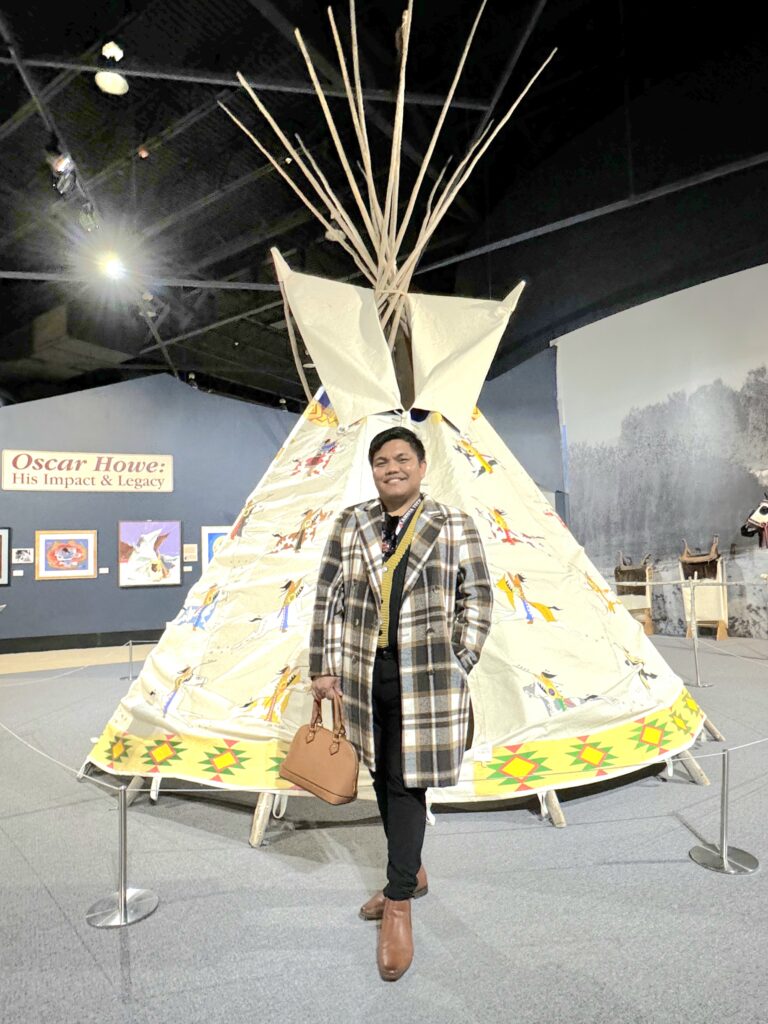
Lakota Tech High School sits near Pine Ridge, on land where roughly nine in ten students qualify for free or reduced-price lunch and where, for years, only a fraction of eighth-graders went on to finish high school. It is one of the only career-and-technical public high schools of its kind on any American reservation. For a teacher raised half a world away, the cultural distance could have been an obstacle. He treated it as the point.
“Teaching Native American students has also deepened my appreciation for culture, resilience, and community,” he says. “Their stories have enriched my own life as much as I hope mine has enriched theirs.”
He frames his role less as instruction than as exchange. He brings Filipino values into a Lakota classroom; the students hand him a lesson in resilience he could not have learned anywhere else. The former Quezon City teacher describes his daily work as culturally responsive instruction — a phrase that, in his telling, means meeting students where they are rather than where a curriculum assumes they should be.

The reward, he insists, is not abstract. It is the moment a student who once avoided reading begins to write with confidence. “Witnessing students gain confidence in reading, writing, and expressing themselves is one of the most rewarding experiences I could ever ask for,” he says.
The part nobody photographs
The version of overseas life that circulates on social media — the new landscapes, the milestone posts — leaves out the harder arithmetic. Freddly is candid about it. Leaving family behind was, in his words, emotionally challenging, and the adjustment to unfamiliar teaching standards, a foreign culture, and South Dakota winters tested him in ways the paperwork never warned about.
“There were moments of loneliness and uncertainty,” he admits, “but I overcame them by focusing on my purpose, maintaining constant communication with my family, praying, and building friendships with supportive colleagues.”
He credits his parents and mentors for the stubbornness that carried him through — the reminder, as he puts it, that every sacrifice has a purpose. It is the same message he now presses on other Filipino teachers following the J-1 route.
“Never forget why you started your journey,” he tells them. “There will be difficult days, but your sacrifices have meaning.”
His practical advice is unglamorous and hard-won: manage money wisely, guard your physical and mental health, keep learning, and protect the professional integrity that Filipino workers are known for abroad.
A teacher, wherever the map puts him
He is already looking past the exchange program. He talks about staying involved in educational leadership, research, and policy — and, eventually, mentoring the next wave of Filipino educators the way his own mentors once steadied him. The ambition is bigger than any single classroom, though he is careful not to lose sight of the one he stands in now.
Ask him what he carries into that room each morning, and the answer is less about pedagogy than identity. “I carry the Filipino spirit in every classroom I enter,” he says. “Every lesson I teach reflects the values of hard work, compassion, respect, and dedication that define our people.”
It is a long way from Bicol to a windswept reservation in South Dakota. But for a teacher who measures success by the lives he touches rather than the distance he has traveled, the two places have started to feel like the same work — just under a different sky.
