



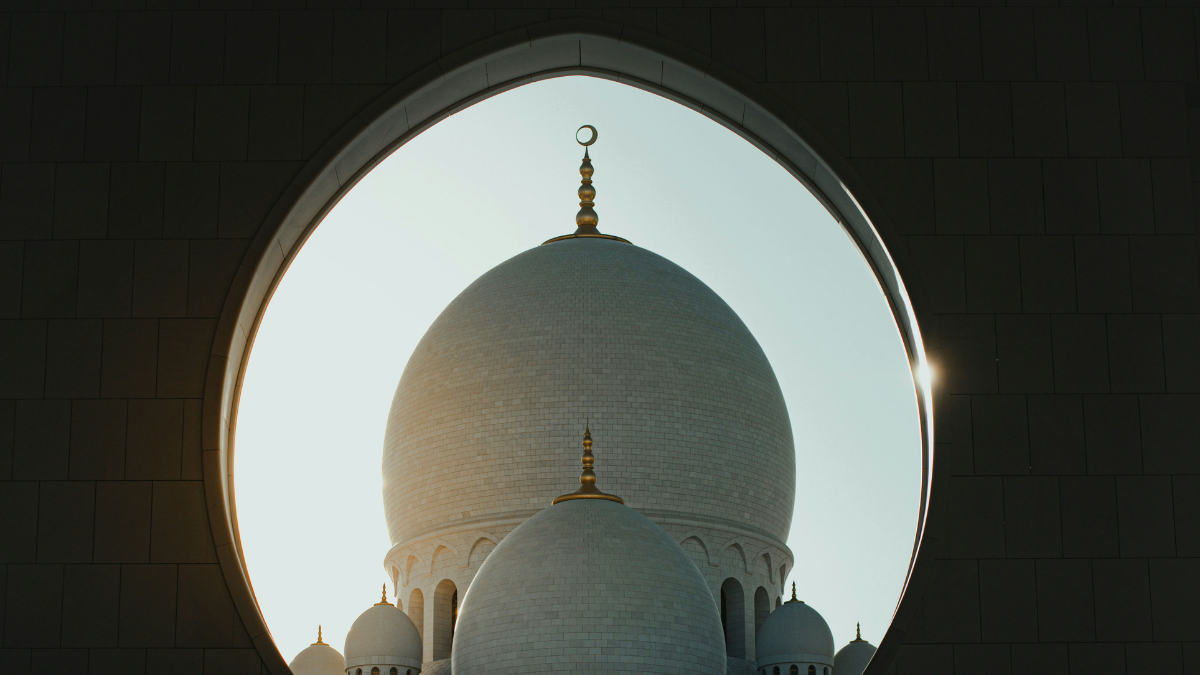

Muslims across the world could mark the first day of fasting on Monday, February 8, 2027, according to astronomical projections that place the start of Ramadan in early February, though the final date rests on whether the crescent moon is spotted the evening before.

The practice of confirming the month through a physical moon sighting remains central to how Ramadan begins. Religious authorities in each country carry out their own observation of the new crescent, and only after that sighting is the official start date declared. Under current forecasts, the search for the crescent will take place on the evening of Sunday, February 7, 2027. Should it appear, worshippers will hold the first Tarawih prayers that night ahead of the opening fast the following morning.
Why the timing changes so much from one year to the next comes down to the calendar Islam follows. The Islamic year runs on lunar cycles, spanning 12 months and roughly 354 days, which leaves it about 11 days shorter than the Gregorian year. That gap pushes Ramadan backward by 10 to 11 days annually, so the month drifts through winter, spring, summer, and autumn across a cycle of about 33 years before returning to where it started. It is this steady shift that separates Ramadan from fixed observances like Christmas, which land on the same date every year.

Forecasters expect the month to run either 29 or 30 days, a figure that again depends on when the Shawwal crescent is observed. On that basis, Eid Al Fitr is projected to fall on Wednesday, March 10, 2027.
For the world’s Muslims, Ramadan holds a status above every other stretch of the year. Falling as the ninth month of the Islamic calendar, it marks the period Muslims believe saw the first revelation of the Quran to the Prophet Muhammad. Fasting runs from dawn to sunset each day, with the faithful giving up food, drink, and smoking while turning greater attention toward prayer, charity, discipline, and time spent with family and community.
Roughly 198 days still separate the present from the anticipated start of Ramadan 2027, leaving Muslim-majority nations a stretch of months to ready mosques, organize public services, and set out their moon-sighting arrangements. And for all the accuracy that modern astronomy now offers, the decision of when the holy month opens still belongs to the naked-eye sighting of the crescent, just as Islamic tradition has long required.
