




Three weeks into the Middle East conflict, the Philippine government is no longer dismissing the possibility of oil hitting $200 per barrel — and the country’s energy secretary says Filipinos should start preparing for a fundamentally different way of living.

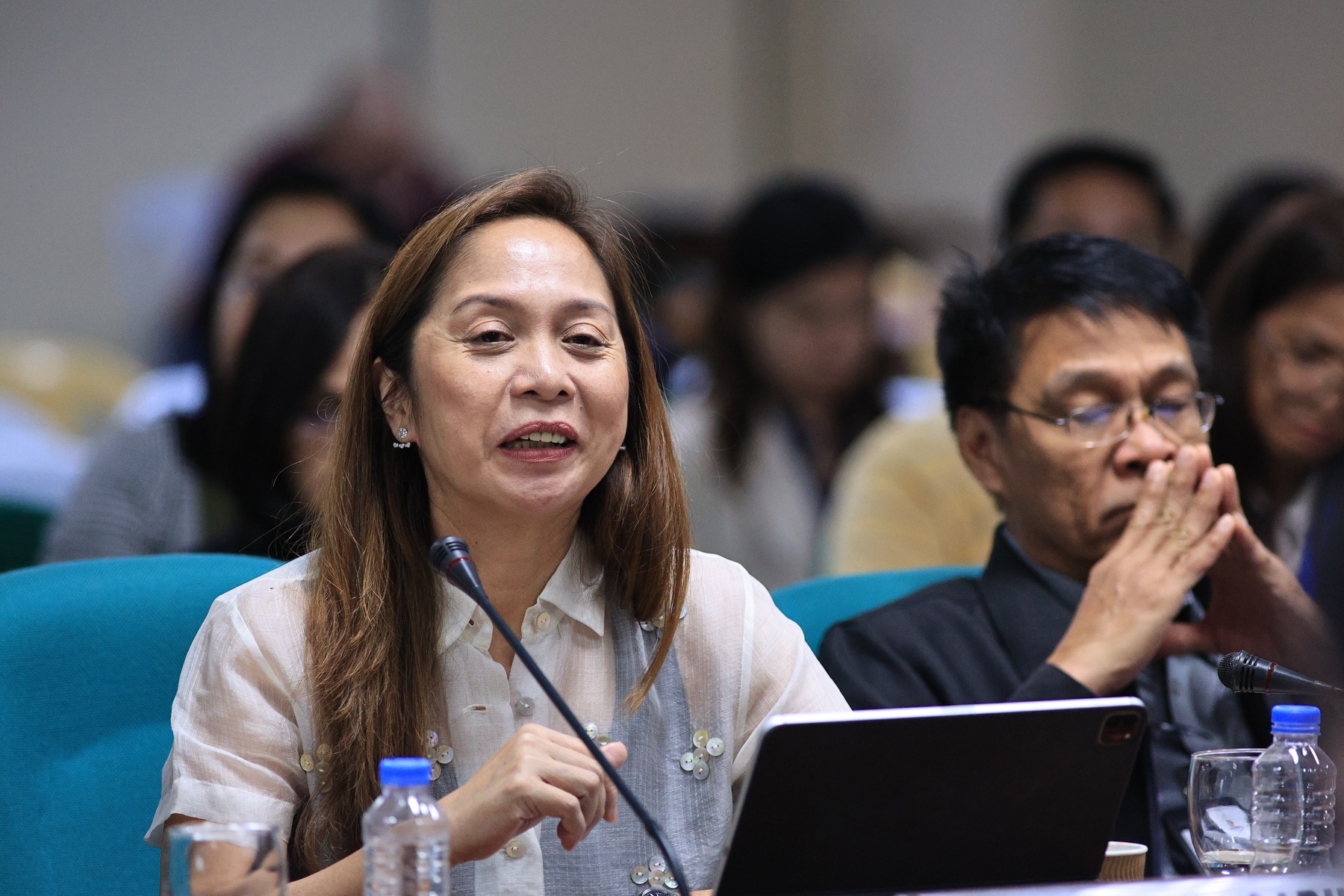
Energy Secretary Sharon Garin said the disruption of oil flows through the Strait of Hormuz, the narrow passage handling roughly a fifth of global supply, has put the Philippines in a difficult position. With Iran’s blockade threatening to make fuel unpredictable in the coming months, she described her top priority in stark terms: “Worst case really is we won’t have enough, or we won’t have any… that’s why I’m laser-focused not to run dry because we need to have oil in this country for the economy to grow.”
The Philippines consumed 486,600 barrels of oil per day in 2024, back to pre-pandemic levels according to the Energy Institute’s Statistical Review of World Energy. That figure grew at an average annual rate of 3.7 percent over the past decade, a pace that outstripped Malaysia, Singapore, and South Korea.
Garin told ANC that the answer, particularly if prices spike to extreme levels, is electrification. “We have to change our lifestyle, I think,” she said, adding that she has personally switched to electric vehicles since the conflict began on February 28 as fuel costs climbed.

Her immediate ask of Filipinos is more modest. Even with supply described as stable through at least the end of April, she is urging conservation — “a small sacrifice,” in her words. “If possible, don’t use cars if it’s not necessary,” she said, pointing to carpooling and work-from-home arrangements as practical first steps. “If you don’t need anything at the mall, just stay at home.”
The Philippines is not alone in tightening its belt. Across Asia, which draws most of its energy from the Middle East, governments are already acting: Pakistan and Bangladesh have suspended classes, while the Maldives and Nepal have begun rationing liquefied petroleum gas.
The International Energy Agency issued 10 demand-reduction recommendations Friday, covering highway speed limits, public transport, electric cooking appliances, and limits on air travel where alternatives exist — a broader set of adjustments that mirrors the direction Garin is already pointing Filipinos toward.
