



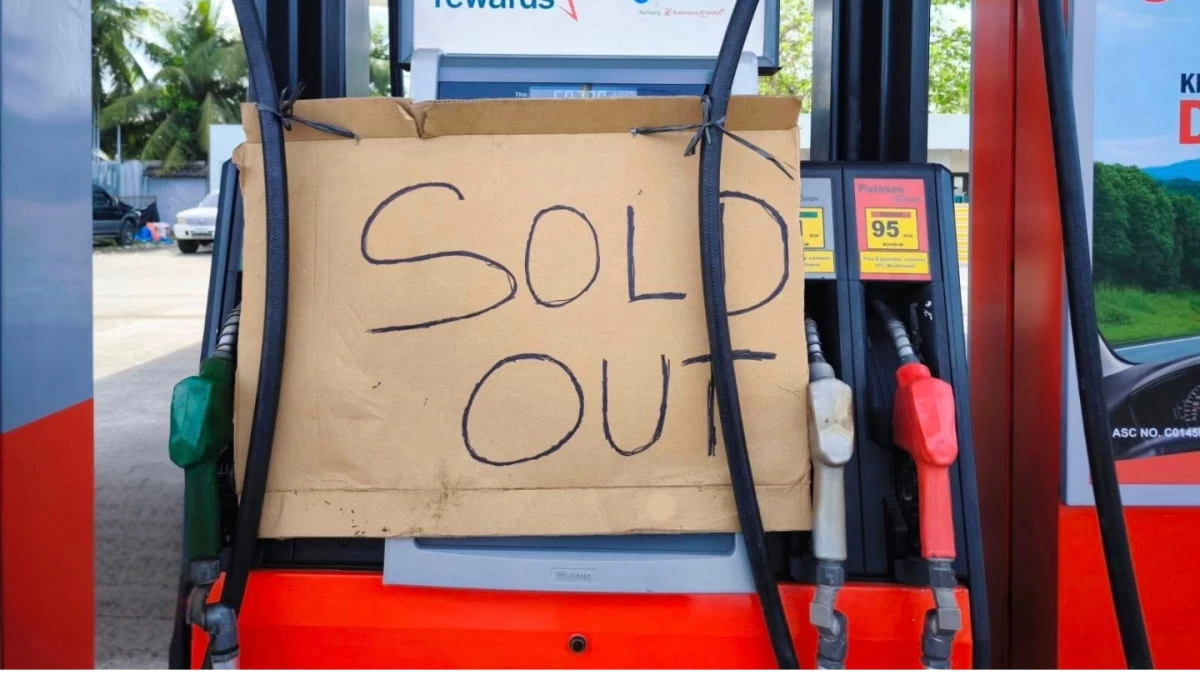

Malacañang and the Department of Energy have both pushed back against characterizations that the Philippines is in an oil crisis, even as fuel prices hit historic highs and the national supply buffer narrows amid the ongoing Middle East conflict.

DOE Secretary Sharon Garin drew a firm line between price and supply. “There is no crisis in terms of supply. The problem is the price. The DOE and even oil companies cannot control the international market,” she said over radio dzMM. “When we say crisis, it means there is no supply. That is not the case,” she added — a statement she made as oil firms implemented steep price hikes, with diesel prices projected to reach up to P114 per liter.
Palace Press Officer Claire Castro echoed the sentiment through a different angle, insisting the situation remains manageable. “The president and the government are still in control of the situation,” she said, while cautioning the public against fear-mongering. In a separate interview, Castro maintained that the country is “not yet in a crisis.”

The Trade Union Congress of the Philippines was quick to challenge both officials. “It is alarming and unfortunate that the Palace Press Officer’s first instinct is not urgency but denial,” the labor group said, adding: “You cannot prepare for an emergency while publicly denying that one exists.”
Industry data paints a more precarious picture. A government audit placed the national fuel inventory at 38 days — enough to last only through the final week of April at current consumption rates. Supply replenishment has become a growing concern, with some export countries limiting shipments to protect their own reserves and Chinese refineries reportedly declaring force majeure due to export bans.
The Philippines imports virtually all of its crude oil, with Saudi Arabia, the UAE, and Iraq accounting for the bulk of supply — a significant portion of which transits the Strait of Hormuz, where shipping has been disrupted by the ongoing US-Israel-Iran war that began February 28.
