




A new government subsidy is set to put P25,000 into the hands of nursing and allied health students struggling with the steep cost of mandatory hospital and community training, a burden that officials say has quietly pushed many out of school even with tuition already covered by the state.

Branded the Allied Health Experiential Assistance for Deserving Students (AHEAD) Grant, the one-time aid will reach students in Related Learning Experience (RLE) programs starting the first semester of Academic Year 2026–2027. It applies to 14 priority disciplines under the Commission on Higher Education (CHED), among them nursing, pharmacy, midwifery, physical therapy, respiratory therapy, and radiologic technology, and is open to enrollees at both public and private institutions recognized by the agency.
Eligibility hinges on two main conditions. Applicants must be enrolled in RLE during the covered semester, and their parents’ combined income must not exceed P1.2 million. CHED Chairperson Shirley Agrupis said a prioritization scheme will favor graduating students first, with extra points going to persons with disabilities, indigenous peoples, single parents, and senior citizens.
The math behind the rollout shows how thin the resource is spread. Agrupis said roughly 485,000 students are enrolled across the eligible programs, yet the P500-million budget can fund only about 19,000 grantees. Benchmarking by CHED across higher education institutions found RLE-related costs climbing to as much as P75,000, depending on year level and training demands. Agrupis pointed to where the money tends to go once students reach their hospital rotations.
“Iyong mga clinical trainings nila in hospitals, clinics, community, rural health unit, at mga iba pa kung minsan sa mga private institution, health clinics ng private,” she said. “And in so doing, kailangan nila talaga ng pera for their accommodation, transportation, uniform most of the time ‘pag nandiyan na sila sa clinical training sa hospitals. So, dito iyong bottleneck ng mga allied health sciences natin. Nai-stop sila any time from second year to fourth year.”
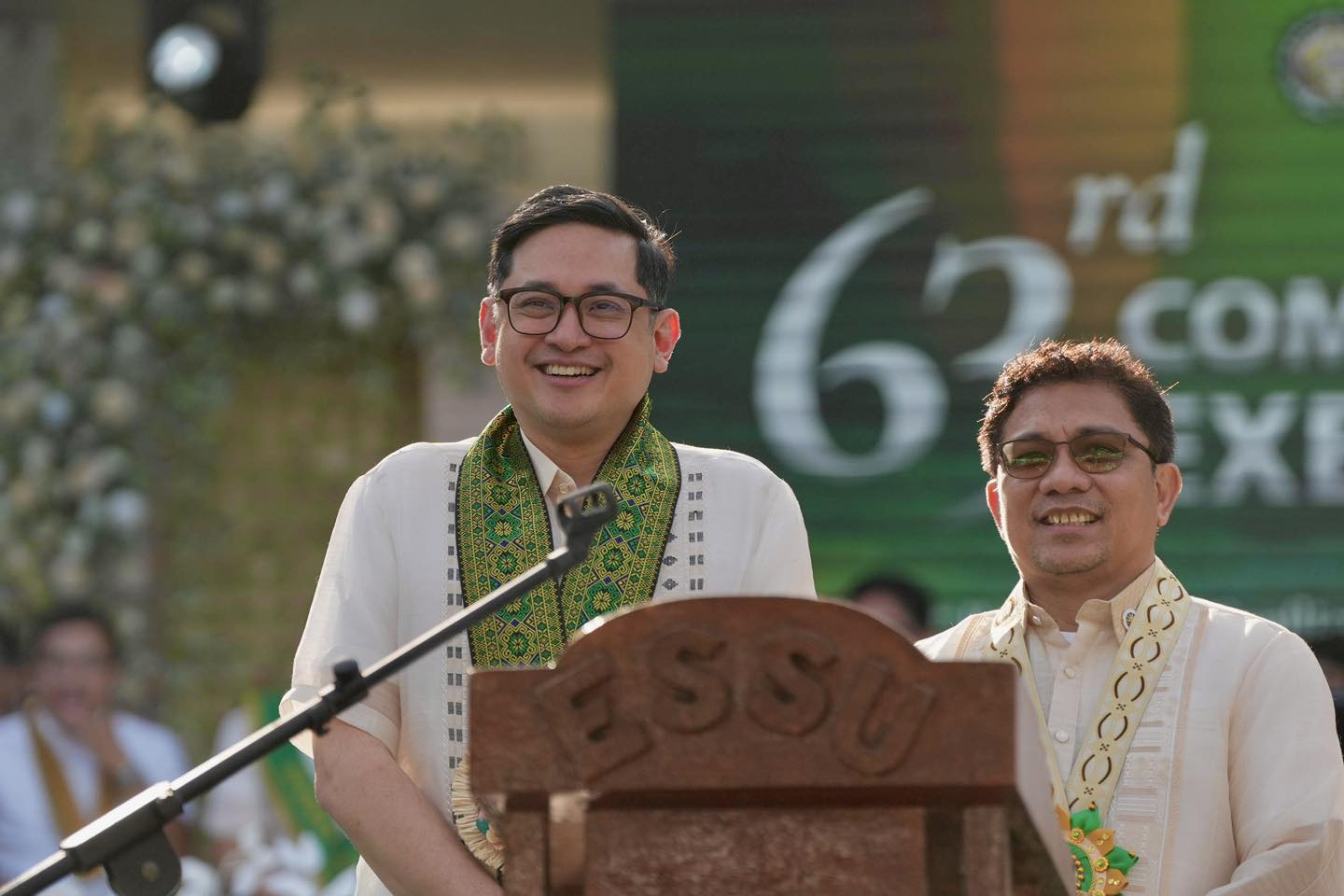
For Sen. Bam Aquino, the idea took shape on the campaign trail in 2025, when students kept raising the weight of RLE fees in conversations with him. He framed the setup as unfair, noting that trainees effectively work inside hospitals while still shouldering the bills for it.

“Nakipag-usap ako sa kanila, na bring up nila na itong RLE ay napakabigat nga pagdating sa gastusin ng isang estudyante, especially ng nursing at allied health students natin. It ranges from P20,000 to P80,000 per year,” Aquino said.
He also tied the cost problem to the steady outflow of Filipino health workers, arguing that graduates often carry debts that local wages cannot cover. The grant first surfaced during budget talks as an “RLE subsidy,” and Aquino said lawmakers are now moving to make it permanent. A bicameral conference committee is set to take up amendments to Republic Act No. 10931, the Free College Law, including a measure to institutionalize the RLE subsidy.
“At iyong isang pinasok natin na amendment to RA 10931, iyong pag-institutionalize ng RLE subsidy. So, hopefully on Monday, kung mapasa iyong version ng Senado or matanggap iyong version ng Senado, magiging batas na rin, na pagdating sa mga subsidiya na binibigay ng gobyerno para sa kolehiyo, kasama na diyan iyong RLE or Related Learning Experience,” he said.
Locking the subsidy into law, he added, would let Congress raise funding and widen coverage in future budgets.
Aquino no longer chairs the Senate education committee, a change he acknowledged makes the work harder, though not impossible. He urged students to keep flagging gaps in education policy, crediting them as the real origin of the program.
“Ito po hindi nanggaling sa iisang study, sa isang research, itong tulong na ito ay nangyari dahil iyong mga studyante mismo nagsalita, lumapit nagsalita at kami rin po nakinig at umaksyon,” he said. He maintained that education should sit outside partisan lines: “And I believe pagdating sa edukasyon, dapat talaga hindi ito pinopolitika at lahat tayo nagtutulungan.”
