



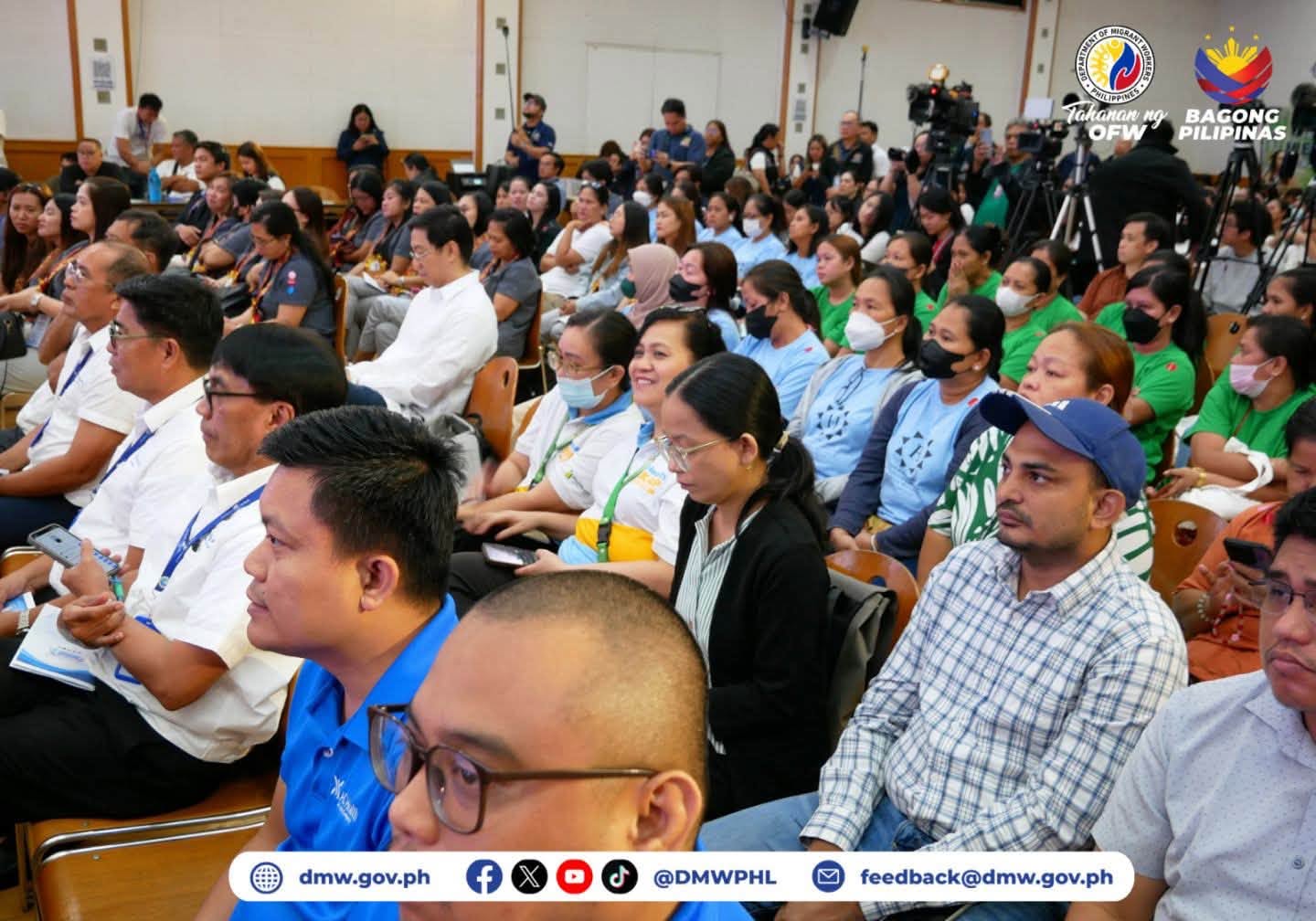

Free screenings for cancer, diabetes, and infectious diseases are drawing hundreds of overseas Filipino workers and their relatives to a two-day government health event in Quezon City that closes the country’s observance of Migrant Workers’ Month.

The 2026 Migrant Workers Health Summit runs on June 30 and July 1 at the Occupational Safety and Health Center, where attendees can undergo cervical and breast cancer screening, HIV and tuberculosis testing, and risk checks for hypertension, diabetes, and nutrition. Children of OFWs between 6 and 59 months old are receiving measles-rubella shots and Vitamin A supplements, while teleconsultation is also available on-site.
The Department of Migrant Workers (DMW) is leading the program alongside the Department of Health (DOH), the Overseas Workers Welfare Administration (OWWA), and OFW Hospital, framing the event around prevention, early detection, and access to care for workers and their dependents.

DMW Secretary Hans Leo J. Cacdac tied the initiative to the administration’s broader priorities. “Ito ang testamento sa Bagong Pilipinas ng ating Pangulong Ferdinand R. Marcos Jr. na alagaan ang ating mga Bagong Bayani at kanilang pamilya. We bring together two core programs under the Administration’s social agenda: healthcare, and the welfare and protection of our OFWs,” he said.
Several other agencies have set up support services for participants. The Philippine Red Cross, PhilHealth, the Social Security System, and the Philippine Charity Sweepstakes Office are offering dental and eye examinations, free medicines, and other forms of assistance across the summit.
For Health Secretary Teodoro J. Herbosa, the gathering signals closer coordination between his department and the DMW on behalf of workers abroad. He argued that no health system can claim to serve everyone if migrants are excluded. “We cannot achieve equitable, people-centered health systems if migrant workers are left behind. Health services must remain accessible, responsive, and continuous throughout the migration cycle,” he said.
