



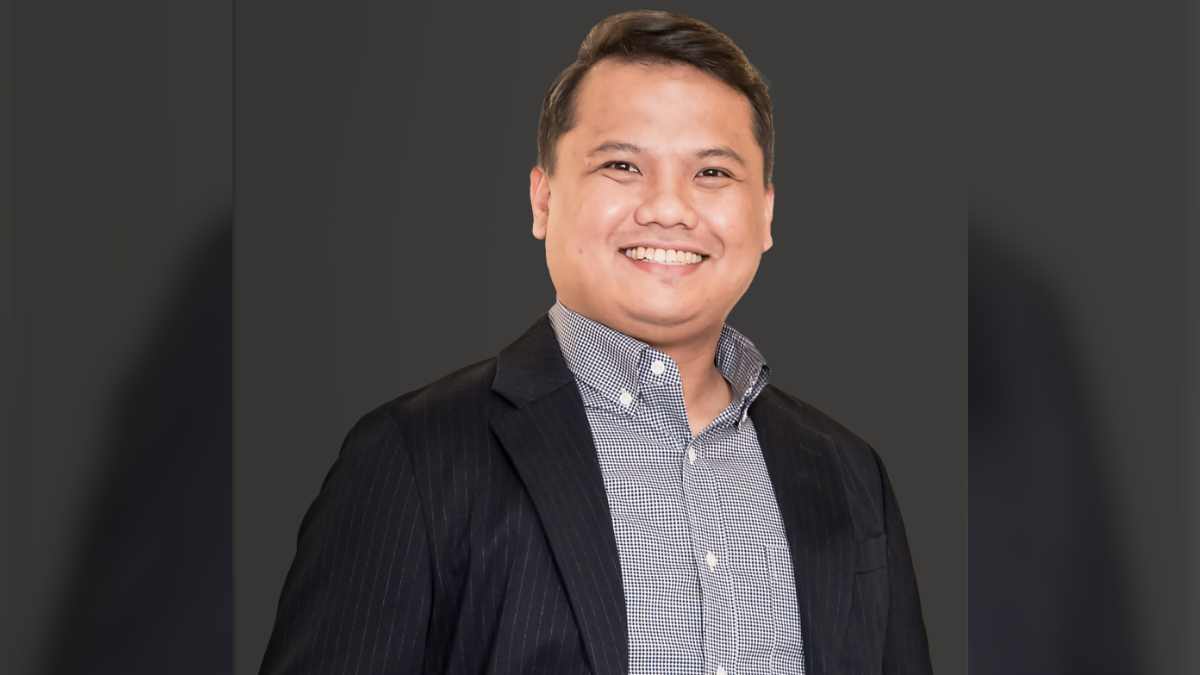

For decades, the script for Filipino ambition has read the same way: pack a bag, board a flight, send money home. Leaving was the proof that you’d made it. So there’s something quietly subversive about a man who built a company spanning four continents without ever filing for a visa — and who insists that’s the whole point.

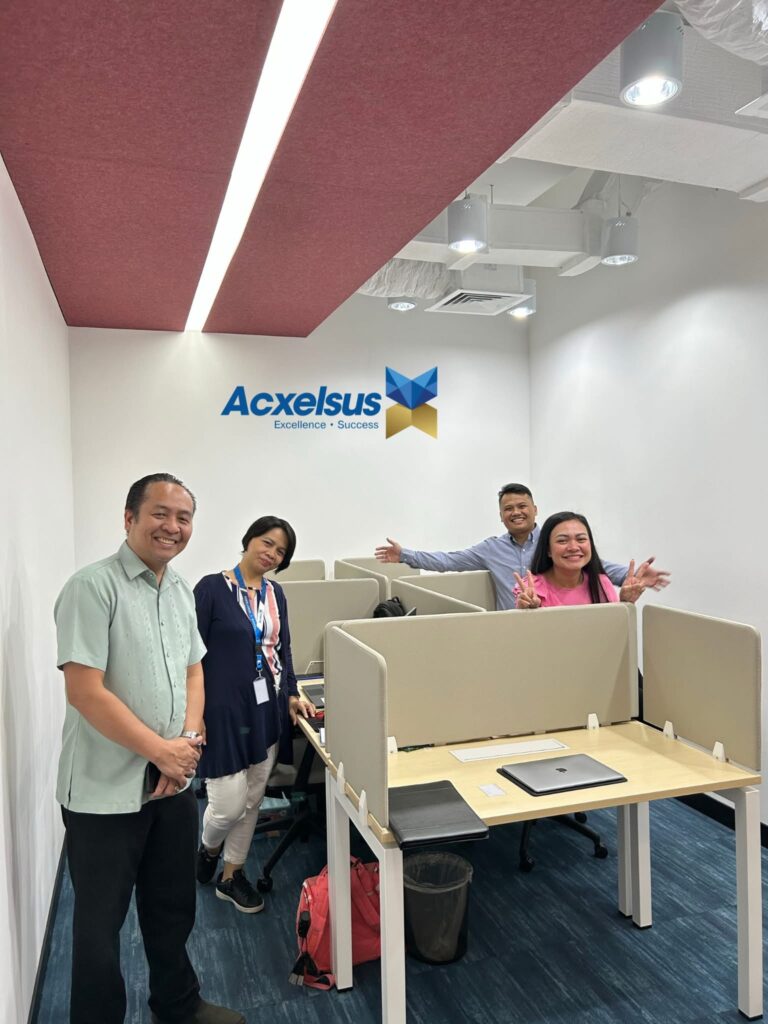
RJ Jaurigue is the founder of Acxelsus, an offshore staffing partner now serving small and mid-sized businesses across Australia, New Zealand, the United Kingdom, and Singapore. At 38, he runs it from the Philippines, where it began in 2015 as a partnership of exactly two people: himself and his wife, a laptop each and a refusal to wait for permission.
“I made a deliberate choice not to leave,” he shares with TGFM. “I believed — and still believe — that you don’t need a visa to have a global impact.”
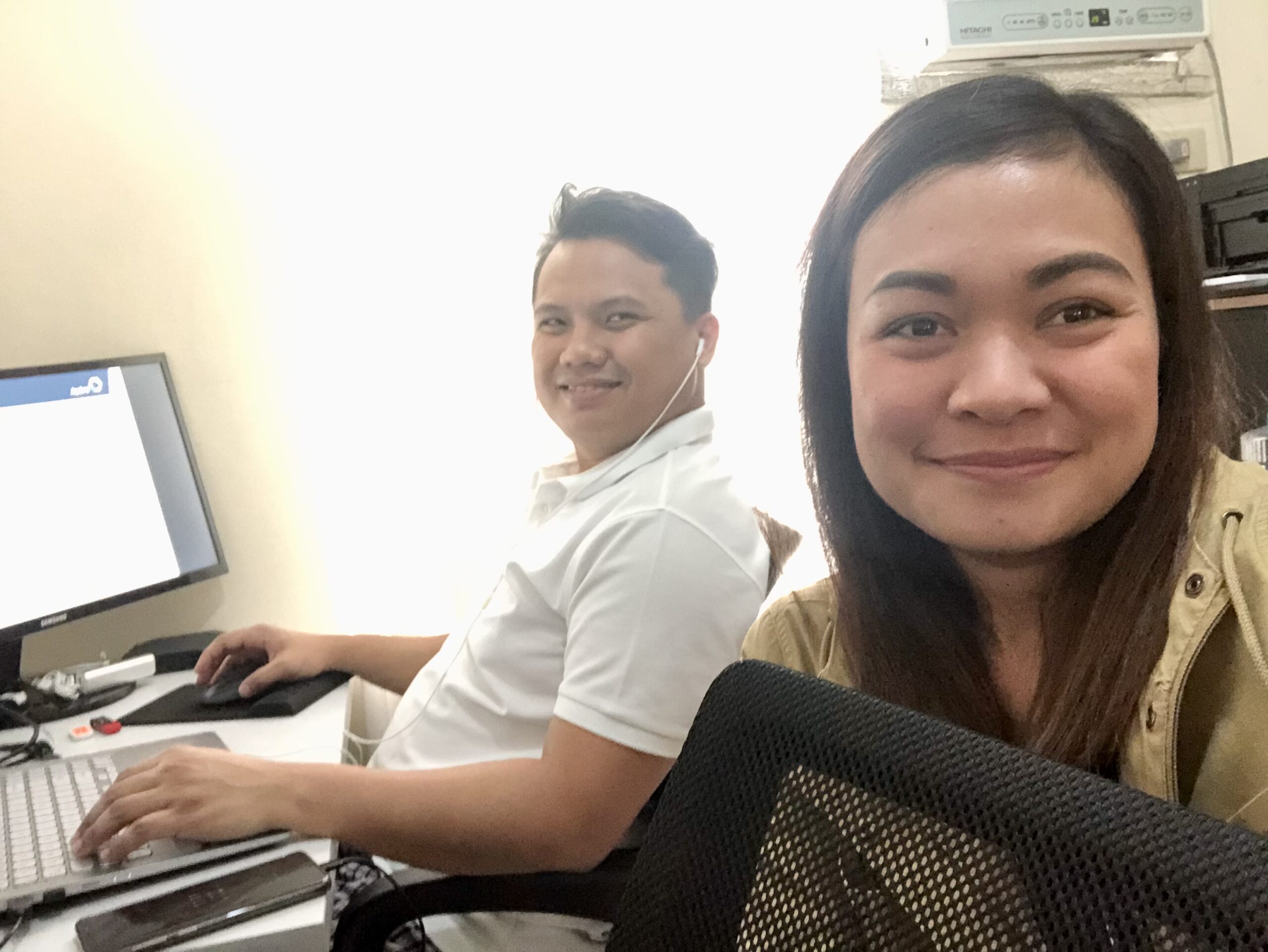
From inside the machine
Before Acxelsus had a name, the Jaurigues were working inside the very industry they would later try to reinvent. The BPO sector gave them a clear-eyed view of how offshore work actually functioned — and, more usefully, where it broke down.
“That experience was invaluable,” he says. “It gave us firsthand insight into how offshore work operated, where it fell short, and what clients and workers both deserved but rarely got.”
That last phrase is the hinge of the whole story. Most people who spend years inside a flawed system learn to live with it. RJ and his wife did the opposite. In 2015 they left the security of steady employment and bet on themselves, taking freelance work and, by his own admission, saying yes to nearly everything that came their way.
It was not glamorous. It was two people with laptops and a strong work ethic, doing the unglamorous arithmetic of long hours against slow, hard-won progress. But the approach was different from the start. “We weren’t just completing tasks,” he says, “we were thinking like partners to the businesses we served.” That distinction — task-doer versus partner — would eventually become the company’s entire reason for existing.
The arc from BPO employee to freelancer to founder is not a tidy upgrade. Each step demanded a different way of thinking, and the hardest leap was the last one.
The shift that nearly broke him
Ask RJ what the steepest part of the climb was, and he doesn’t reach for the obvious answer about workload or money. He names something less tangible.
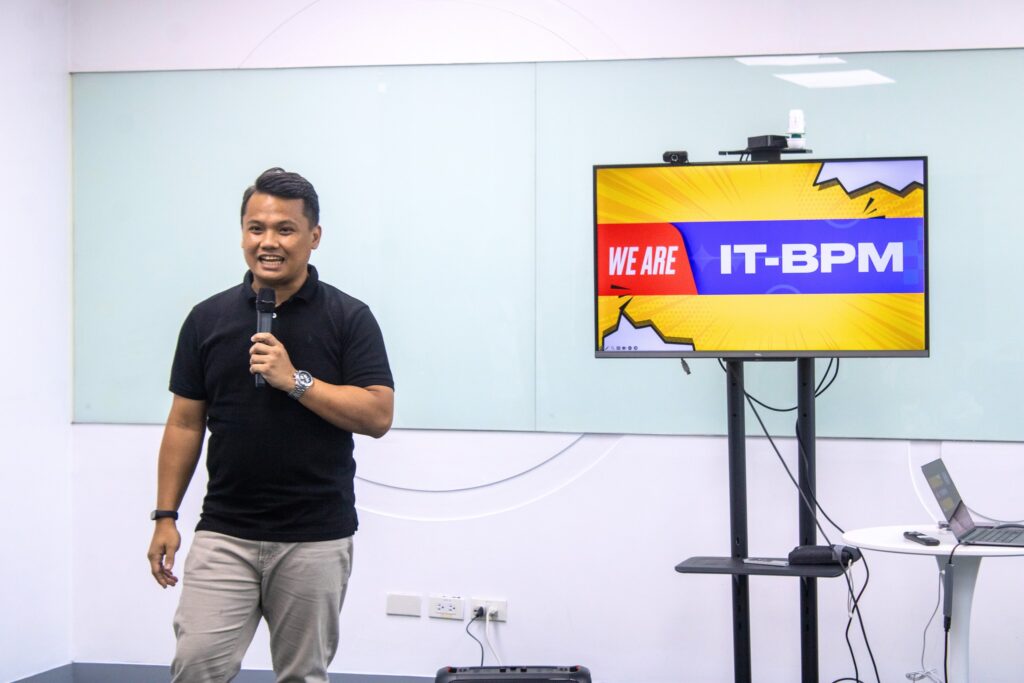
“The hardest part of the journey wasn’t the workload — it was the identity shift,” he says. “Going from ‘freelancer’ to ‘founder’ isn’t just a title change. It requires a completely different way of thinking.”
There were stretches where he was pulled in every direction at once — managing client expectations, building internal processes, and trying to look after a growing team, all on the same day. The instinct of every freelancer is to solve overload by working harder. For a while, that’s exactly what he tried.
The realization that changed everything was also the one that scaled the company: he couldn’t out-work the problem. “I had to build systems and trust people,” he says. That single reframing — from doing the work to designing the conditions in which other people could do it well — is what turned a freelance operation into a company.

He’s quick to name who carried him through that stretch. His wife was his steadiest support, alongside the early team members who, as he puts it, believed in the vision before it was fully formed. The leaders he admired most were the ones who built with integrity, and he tried to fold that into every decision.
Today Acxelsus is a formalised, growing company built around what RJ calls human-centric scaling — a deliberate rejection of the volume-driven, transactional model that dominates the industry. The aim isn’t to fill the most seats. It’s to place the right people and keep them. When he talks about the highlight of his career, he refuses to pin it to a single moment.
“It’s watching the team grow,” he says, “and seeing the Filipino workforce be recognised not as a back-office solution, but as a primary driver of business growth for our global partners.”
Exposure without displacement
The most interesting thing Acxelsus offers its own people is something RJ describes in a phrase that doubles as a quiet manifesto: exposure without displacement.
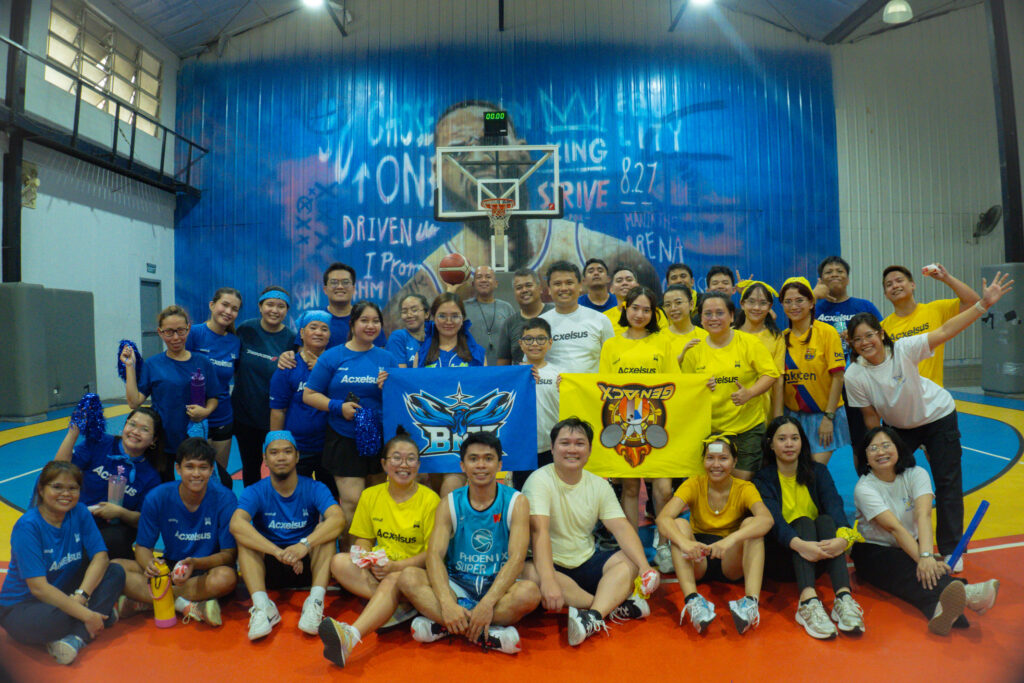
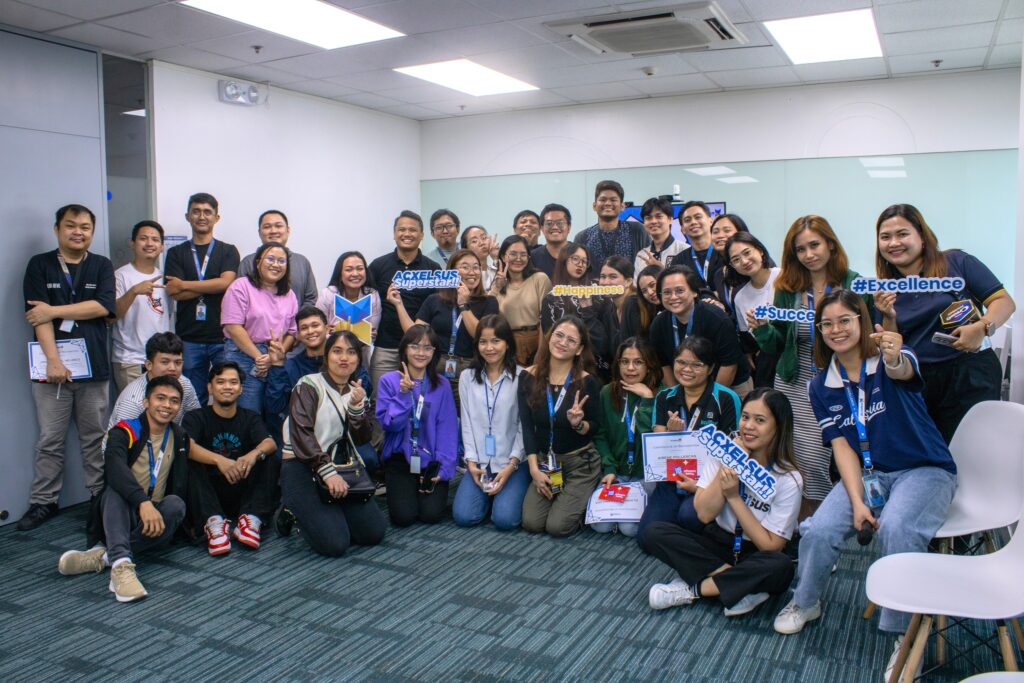
His staff work alongside sharp SME operators in Australia, New Zealand, the UK, and Singapore. They absorb global best practices and sharpen their cross-cultural communication — the same professional growth that, for previous generations, required a one-way ticket. Here, it happens without anyone leaving their family behind. “When someone joins Acxelsus as an individual contributor and, two years later, is leading a team and speaking confidently in front of a global client — that’s the work that matters to me,” he says.
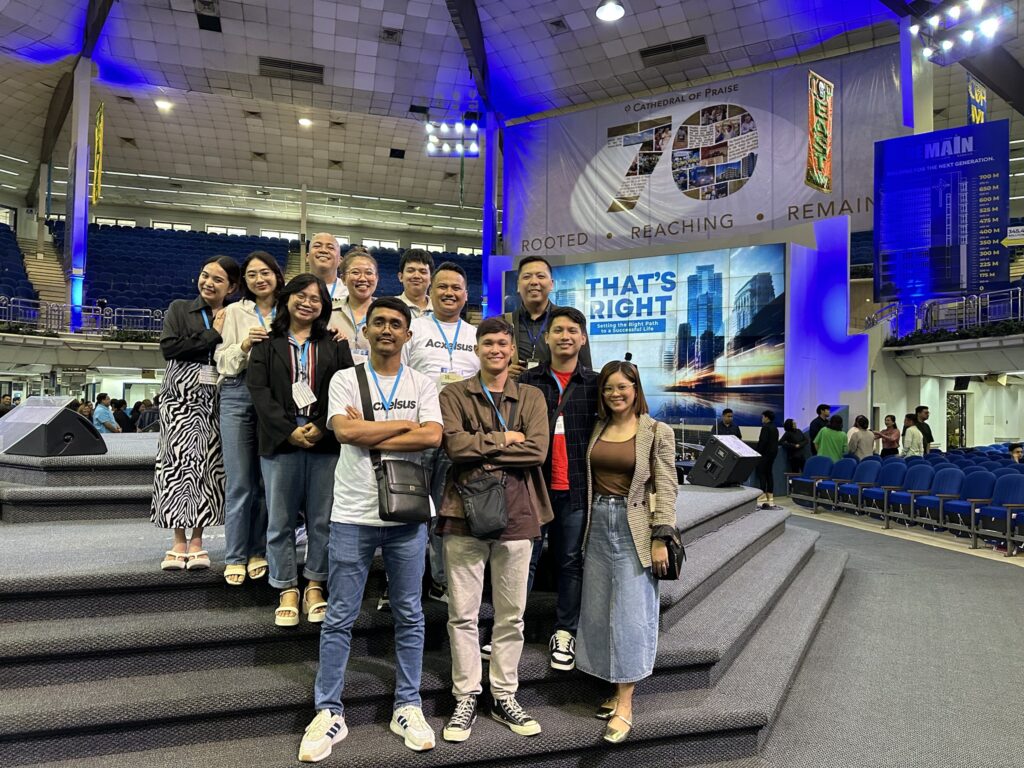
He believes the model travels well, and he’s watching one region in particular. The UAE, he argues, is a natural next market: SMEs there are scaling fast, demand for trusted offshore talent is climbing, and the Filipino professional already has deep roots in the Gulf.
The timing carries weight for another reason. As crisis ripples through parts of the Middle East, many Filipinos are returning home — some by choice, many by circumstance. RJ doesn’t pretend that transition is easy. But he frames it as something other than loss.
“The world has already seen what the Filipino professional can do,” he says. “That reputation doesn’t disappear when you change your address.” For those coming home and wondering what comes next, he offers his own company as a small piece of evidence that the answer doesn’t have to involve leaving again.
A new definition of making it
RJ is careful not to romanticise the country he’s chosen to build in. The systems don’t always work in anyone’s favour, he admits, and the road is longer than it should be. But he’s convinced something real is taking shape, built by people who simply refused to stop believing in what the Philippines could become.
His advice to kababayans abroad is delivered without a trace of condescension, because he understands the cost of the path they’re on. “You didn’t just invest in a career,” he says. “You invested in your craft, your family’s future, and quietly, in this country’s reputation abroad.” His counsel is to avoid the shortcuts and, on the hard days, to return to the real reason they started — not the polished version, but the honest one.
What he’s ultimately arguing for is a rewrite of an old definition. For too long, he says, “making it” meant getting on a plane. He wants to help redefine it — to prove the Philippines isn’t only a place to come from, but a place to build from.
He looks forward to a day when the next generation won’t have to leave at all to find a better life. He’s careful about how he frames it. “That’s not a dream,” he says. “It’s a direction.”
