



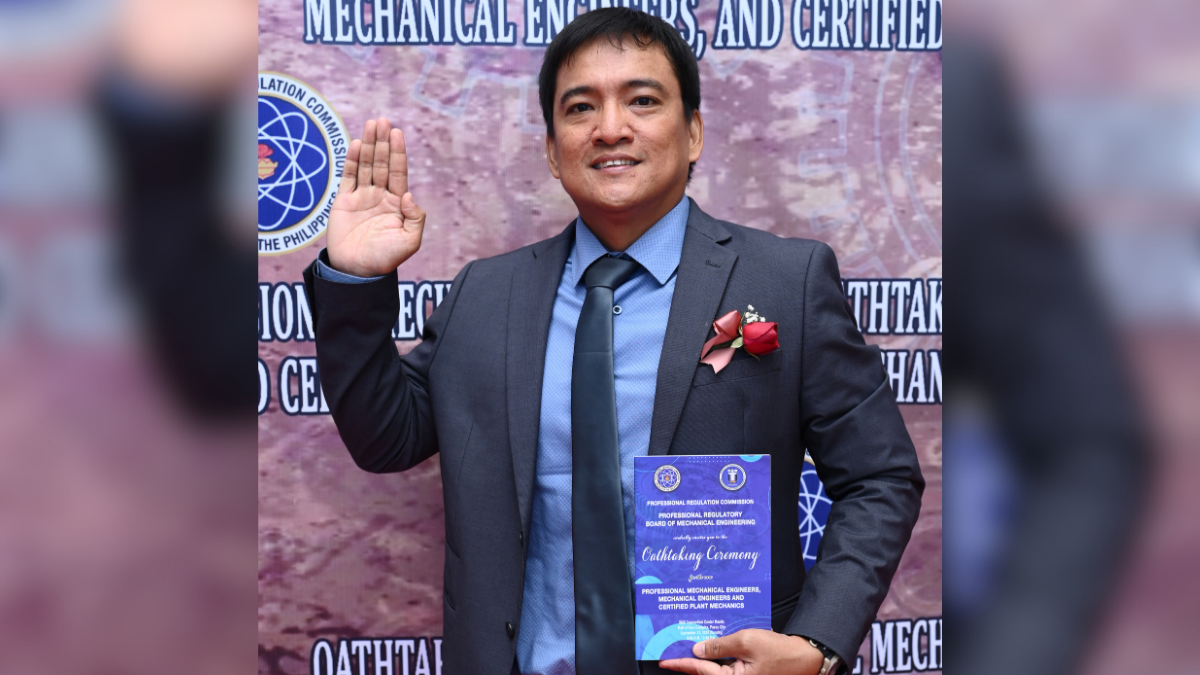

Benigno Yebes spent nearly two decades building petrochemical plants across eight countries. Then he went back to school — again and again.

Most people, when they have already built a career, stop chasing credentials. They settle into what they know, into what the industry already recognises them for. Benigno Yebes is not most people.
At 40, with nearly two decades of international engineering work behind him, Yebes sat for the Philippine Electrical Engineering licensure examination — a field outside his specialisation — and placed 6th out of 3,712 examinees nationwide. He was not between jobs. He was not looking for a career change. He was simply, as he puts it, refusing to stop learning.
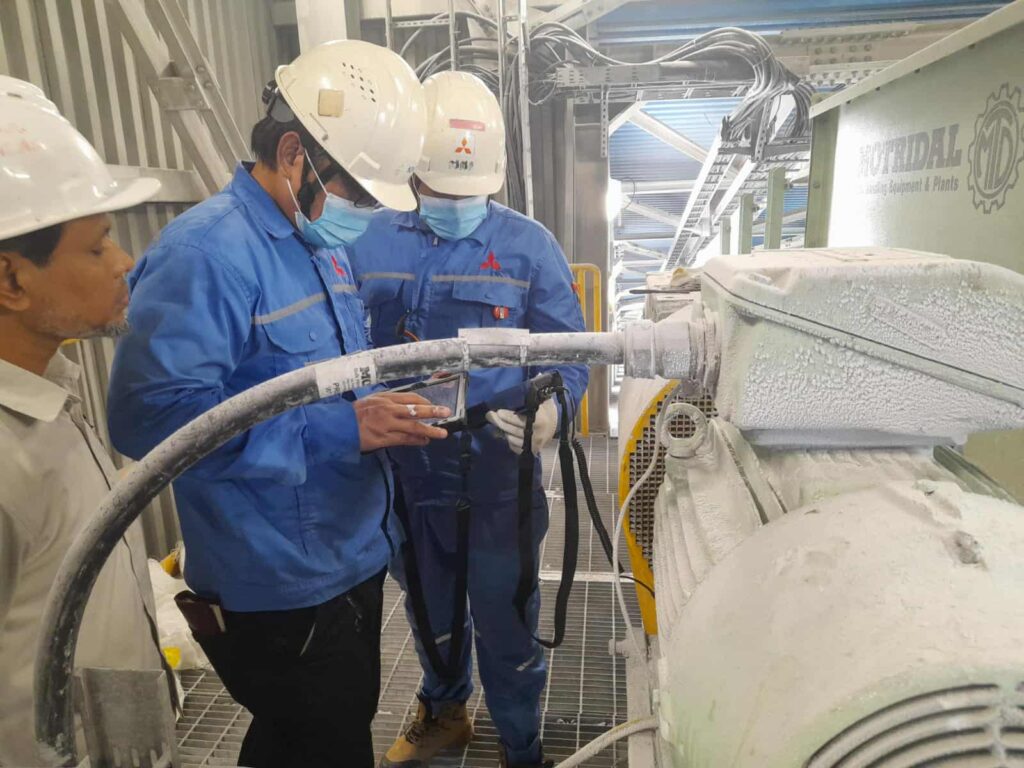
Today, the mechanical engineer from the Philippines holds four professional licences issued by the Professional Regulation Commission: Professional Mechanical Engineer (PME), Registered Mechanical Engineer (RMeE), Registered Master Electrician (RME), and — as of February 2026 — Registered Master Plumber (RMP). He earned them across nineteen years while working on fertiliser plants, methanol facilities, and polyethylene complexes for Mitsubishi Heavy Industries across Bangladesh, Uzbekistan, Trinidad and Tobago, Russia, Malaysia, Singapore, Oman, and Saudi Arabia.
He currently lives and works in Ghorasal, Narsingdi, Bangladesh — a detail that says everything about what his life looks like in practice.
Eight countries and one project that stands above the rest
An EPCC and After Service Engineer’s day does not look like most office jobs. Yebes describes it plainly: morning safety briefings, supervising installations, quality control checks, managing contractors, vendors, and licensors, and troubleshooting operational issues to ensure the project complies with drawings and specifications. “It involves high-stakes site management with technical troubleshooting,” he says. “You have to stay sharp the entire day.”
Of all the projects he has worked on, one keeps coming up: the Ghorasal-Polash Urea Fertilizer Project in Bangladesh, which he describes as the country’s largest and first green fertiliser factory. The plant produces approximately 2,800 metric tons of urea daily — enough to make a meaningful dent in Bangladesh’s agricultural import reliance. It also captures CO2 for reuse, positioning it as a model for sustainable industrial development.
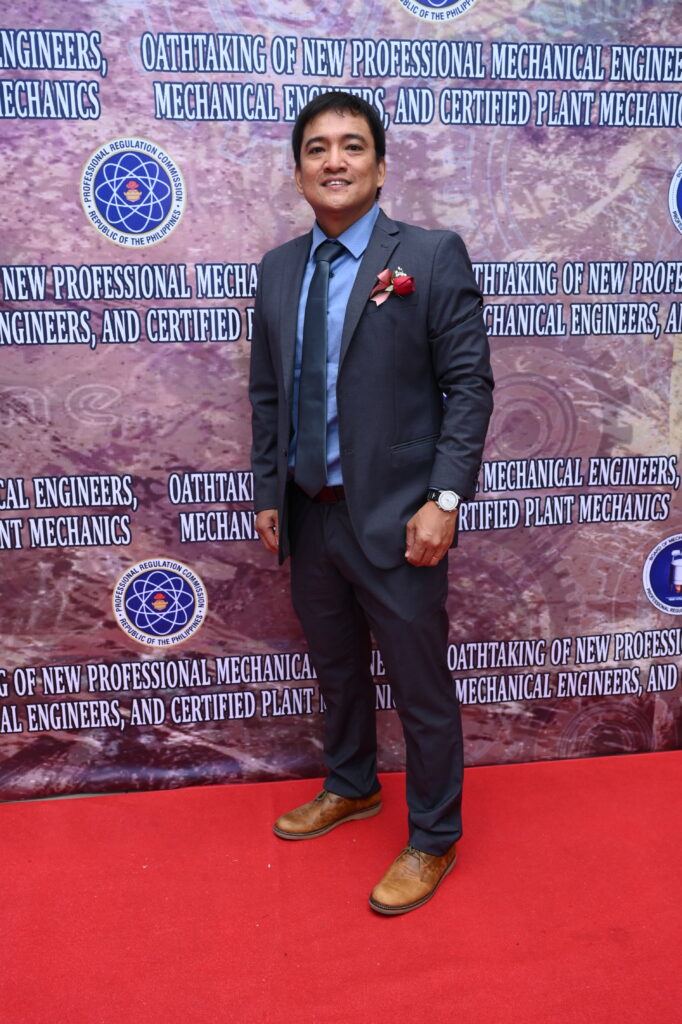
“Based on the complexity and modern petrochemical plant,” he says, “the Bangladesh project stands out.” It is not just professional pride talking — Yebes has spent years embedded in the country, understands its stakes, and speaks about the project’s role in food security with the weight of someone who watched it rise from the ground.
Why he went back to take another board exam
The 2022 electrical licensure exam was not a whim. As a Machinery Package Engineer at Mitsubishi Heavy Industries, Yebes managed engineering issues across an entire package unit — steam turbine generators, material handling equipment like reclaimers and bulk conveyors — which meant interfacing regularly with electrical, instrument, and piping engineering groups that were, technically, not his department.

Over time, he absorbed enough of their fundamentals that he decided to formalise the knowledge. “I have to manage all engineering issues related to my package unit,” he explains. “Since I had a chance and somehow understood the fundamentals of other engineering function groups — electrical, instrument, and piping engineering — I took this chance and opportunity to get more study and get the licence.”
The result: a 6th place finish in a national exam, in a discipline he was not formally trained in. He followed it up in August 2025 by completing the technical evaluation for Professional Mechanical Engineer — the highest licensure category for mechanical engineers in the Philippines, requiring no written exam but a rigorous technical report and interview process. And in February 2026, he added Registered Master Plumber to the list.
He is not collecting paper. He is building a body of verified competence, one examination at a time.
What he tells younger engineers who want a career like his
Yebes has worked long enough to have strong opinions about what separates engineers who grow from those who stall. His advice is not particularly glamorous, and he knows it.
“Stop treating your career like a continuation of school, and start treating it as a product you are building,” he says. “Set a vision and milestones — where do you want to be in 1, 5, 10, or 19 years?”
He is particularly direct about resilience for OFWs, who often find themselves navigating foreign workplaces without the social safety nets of home. “At huwag yung mapagalitan ka lang ng kawork o boss mo and then quit ka na agad,” he says. “Be the bigger person; learn from the feedback instead of quitting.” It is hard-won advice. Months of separation from family, the pressures of overseas work, the constant demand to perform in unfamiliar environments — Yebes has lived all of it, and his answer has always been the same: keep learning.
On what Filipino engineers offer globally, he is characteristically direct. “Kahit saan mo dalhin ang mga Filipino Engineers, they are resilient and can stand with their skills and can handle complex projects.” He has watched it bear out across eight countries and nineteen years. It is not a talking point for him — it is an observation.
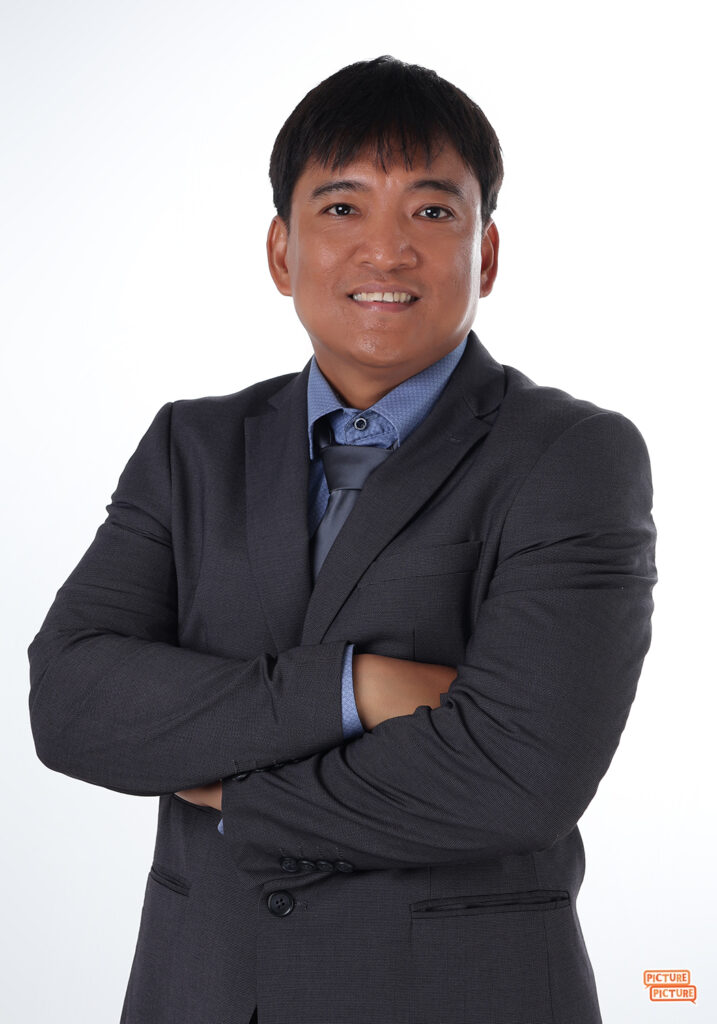
When asked what keeps him tied to the Philippines despite spending most of his career abroad, he comes back to something simple: family, and the responsibility of carrying skills home. “Try to learn the skills from abroad and then try to practise later in the Philippines,” he says. “Invest yourself to get new skills and professional licences, and then along the way of your career, you have more chance and opportunities.”
For Yebes, the licences are not the point in themselves. They are proof that the learning continued — that the years abroad were not just years worked, but years spent becoming someone harder to replace. “Never stop learning,” he says, “because life never stops teaching.” He has said it enough times that it could sound like a slogan. Except that he actually keeps going back to the examination room to prove it.
