



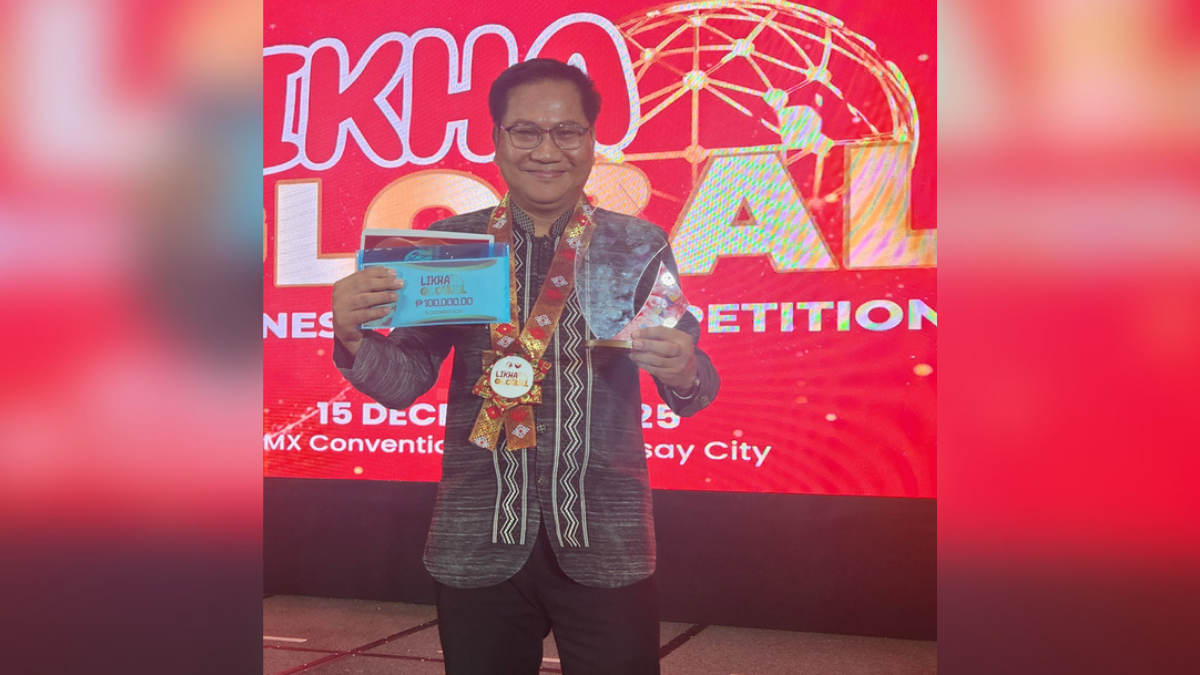

When most professionals measure success by how far they’ve climbed, one Filipino in Oman measures his by how many he’s helped stand.

There are people who rise through a career and quietly accumulate titles. Then there are people who accumulate something else entirely — debts paid forward, crises weathered, communities held together with nothing but will and consistency. Rodrigo Desiatco belongs to the second kind. The General Manager of Creative Chain Business SPC has spent more than two decades in the Middle East, building a professional record that would satisfy most men twice over. But for Rodrigo, the résumé was always secondary to what was happening outside the office.
Originally from Guiguinto, Bulacan, he arrived in the Gulf the way many Filipinos do — with qualifications, ambition, and the quiet weight of everything left behind. What he did not expect was that the Middle East would become not just where he worked, but where he would find his most meaningful calling.

From the oil fields to the barangay hall
Twenty-three years in Human Resources sounds, on paper, like a story of corporate progress. And in some ways it is. Rodrigo has worked across sectors that few professionals get to touch — Oil & Gas, Aviation, Petrochemicals, government mega-projects in Oman including the Sohar Refinery Improvement and the Duqm Refinery. He helped build the “One Nation One Station” project with Manila Broadcasting Company before leaving the Philippines. Most recently, he served as a Senior Consultant for the Oman Air Transformation Project.
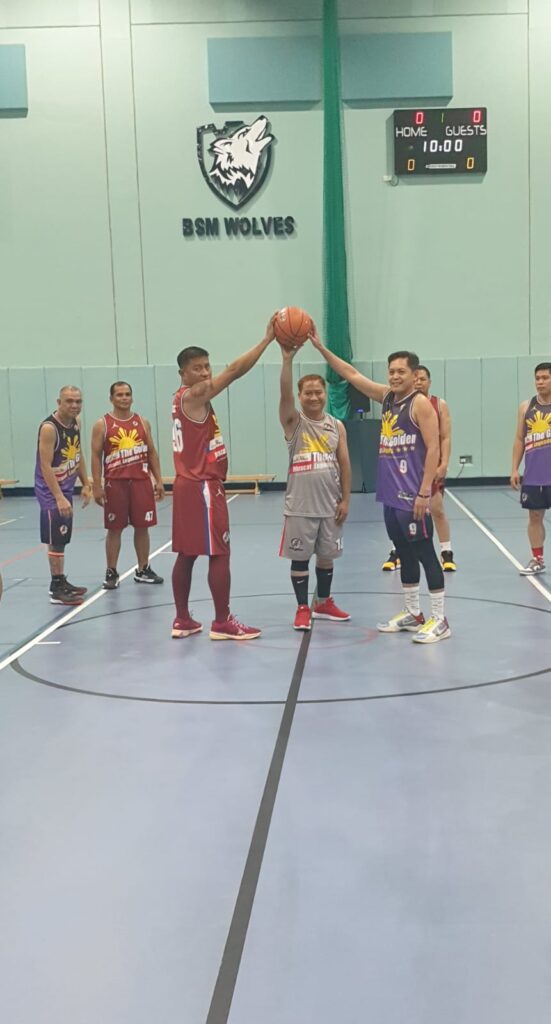
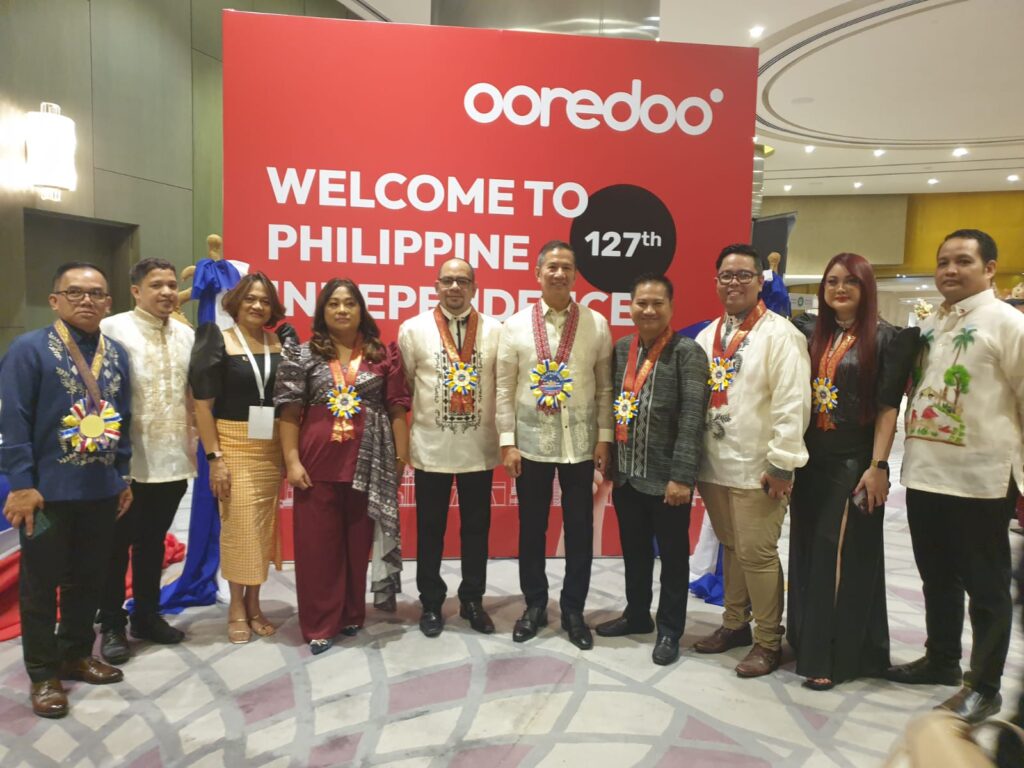
But run that timeline alongside his community record and the picture that emerges is different — and more interesting. Around the same years he was consulting on refinery integrations, he was also serving as a two-term Chairman of the Filipino Community Social Club (FILCOSOC), sitting on the Board of Trustees of the Philippine School Oman, and quietly becoming the person other Filipinos called when they had nowhere else to turn.
“My journey is a blend of professional growth and community service,” he says plainly, with none of the self-congratulation the line might invite. “With 22 years in Human Resources, I’ve navigated both strategic and operational roles across vital sectors. But my heart has always been with the Filipino Community.”
It is a sentence that might sound like a tagline from someone else. From Rodrigo, it reads like a statement of fact.
The container that crossed an ocean
Ask him which moment has mattered most, and he does not reach for a corporate milestone.
It was November 2013. Typhoon Haiyan — known in the Philippines as Yolanda — had just torn through the Visayas, leaving a trail of destruction that stunned the world. From his position in Oman, Rodrigo did not wait for instructions. He activated the Filipino community from the northernmost point in Buraimi all the way down to Salalah in the south, coordinating a nationwide relief campaign that ultimately filled a 40-foot container with essential goods.

“Seeing the community of different nationalities unite from the North to the South of Oman was incredibly moving,” he recalls. The container was shipped to Roxas City, where members of the Triskelion Fraternity handled local distribution on the ground. Logistics was partnered with Trico Oman. The entire operation — from collection to shipment — was held together by coordination, trust, and the particular urgency that Filipinos feel when the homeland is hurting.

“That taught me,” he says, “that distance is never an obstacle when the Filipino heart decides to help.”
Seven years later, when the COVID-19 pandemic immobilised OFWs across Oman, the same instinct returned. Rodrigo personally wrote to the Philippine government to advocate for chartered repatriation flights. He approached airlines directly. Through his travel business, he helped kababayan secure tickets. He and his wife launched “Ayuda” initiatives, personally buying and packing food for those who had lost their jobs.
“A leader must be the first one to offer a hand and the last one to give up,” he says. It is, in his case, not a motto — it is a documented pattern of behaviour spanning more than a decade.
The quiet work that goes unannounced
Not everything Rodrigo does shows up on event programmes or community announcements. A significant part of his work involves sitting down with individual OFWs navigating disputes with employers, confusion over Oman Labour Law, or the bureaucratic tangle of travel and documentation requirements. No fanfare, no audience.
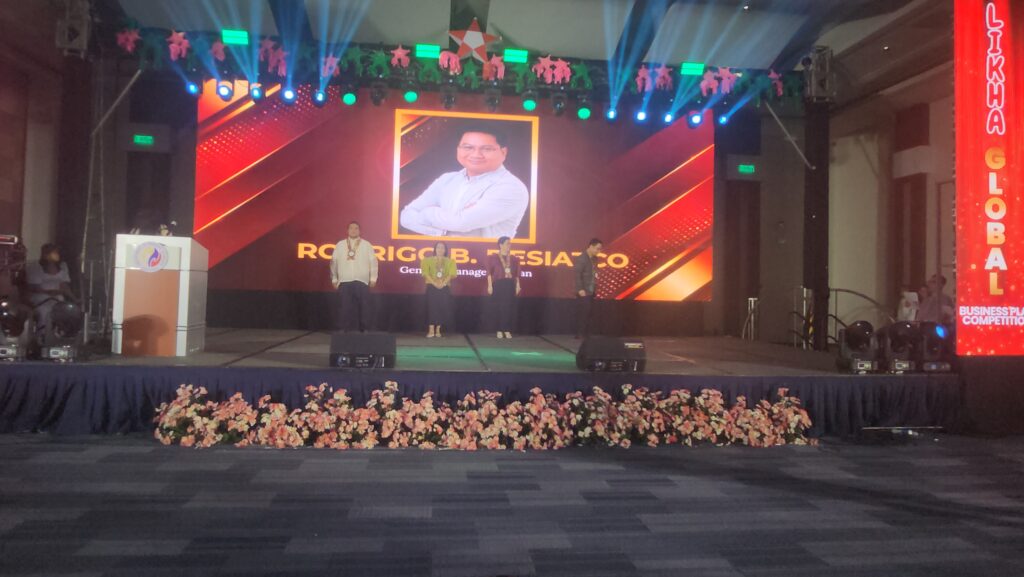
In 2019, the Philippine Overseas Labor Office in Muscat recognised him with a Service Excellence Award — an acknowledgment that the work had been noticed, even when he was not looking for notice.
His current role as General Manager of Creative Chain Business SPC operates on a similar philosophy. “I don’t just look for manpower,” he says. “I look for opportunities.” The goal, as he describes it, is a placement that works for everyone — workers who find stability, and businesses that find the right people.

The language is HR-professional. The logic underneath it is the same one driving everything else.
‘Start where you are’
Rodrigo does not carry the manner of someone who thinks what he has done is extraordinary. He is, by his own description, “a ground level person” — an ambassador of bayanihan rather than a figurehead above it. He talks about Bayanihan not as a cultural talking point but as something he has watched prove itself, again and again, in actual emergencies.
“Whether it’s sharing a meal, helping someone find a job, or contributing to a disaster fund,” he says, “bayanihan is the thread that keeps our culture and our spirits alive, no matter how many miles we are from the Philippines.”
To the next generation of OFWs who want to do more, his message is stripped of ceremony: “Start where you are. You don’t need a title or a position to be a leader; you only need a heart that is willing to serve.”
