



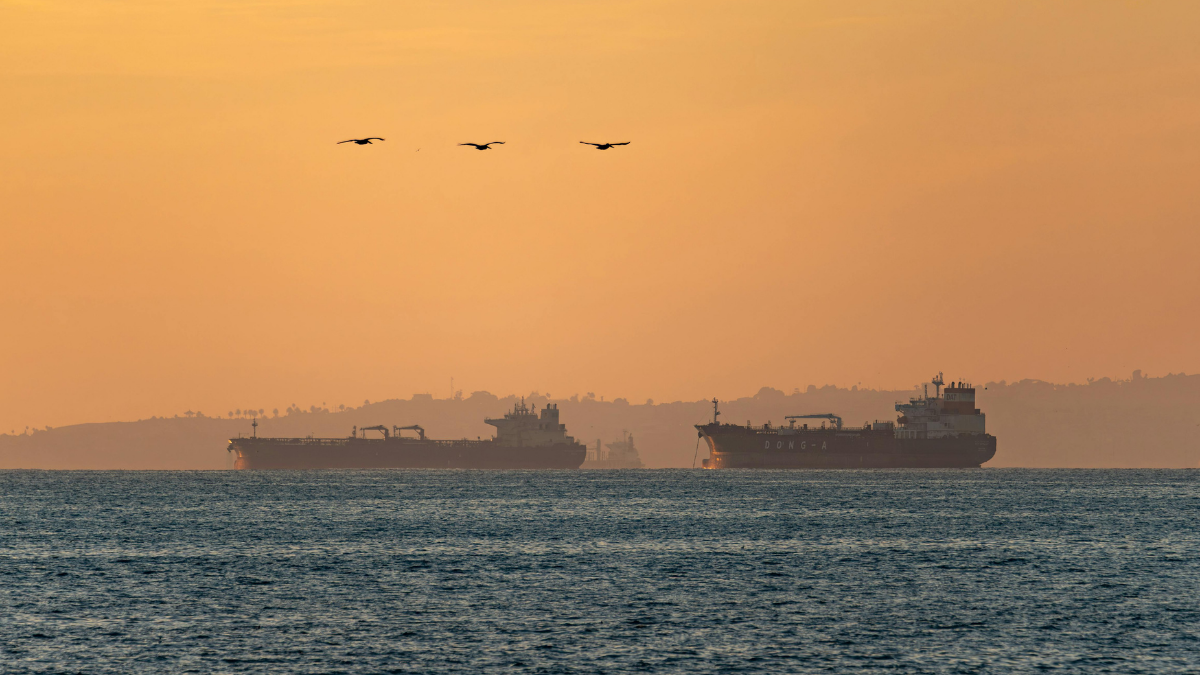

The first non-Iranian oil tanker to navigate the Strait of Hormuz since a US-Iran ceasefire took hold made its passage Thursday, but the milestone has done little to revive one of the world’s most critical shipping arteries.

The vessel, a Gabon-flagged tanker called MSG, crossed the strait carrying roughly 7,000 tonnes of Emirati fuel oil bound for Aegis Pipavav in India, according to shipping monitor MarineTraffic.
The crossing comes days after the two-week truce took effect Wednesday, yet commercial shipping through the channel remains far from normal. Data from Kpler, which owns MarineTraffic, shows only two Iranian-flagged tankers and six bulk carriers completed transits in the period since the ceasefire began — a figure that barely registers against the roughly 120 daily passages the strait handled before hostilities escalated.
Iran had sharply curtailed access to the waterway following US-Israeli strikes on the country that began February 28. Of the 315 commodity carrier crossings recorded between March 1 and April 8, some 202 involved oil and gas tankers, with most of those vessels moving eastward toward the Gulf of Oman.

Even with Thursday’s crossing, all vessels transiting the strait maintained identifiable links to Iran or to countries not in conflict with Tehran — a pattern that shows commercial shipping operators are still applying their own risk calculus despite the truce.
Kpler analyst Ana Subasic said transit capacity is expected to stay “constrained at maximum 10-15 passages a day if the ceasefire holds” — a fraction of pre-conflict levels. Around a dozen additional ships, including at least one other laden tanker, appeared Thursday to be plotting a course through the strait, though that figure represents no meaningful uptick from the week before the ceasefire announcement.
The waterway’s strategic weight is difficult to overstate. In peacetime, approximately one-fifth of global crude oil and liquefied natural gas passes through it, according to industry intelligence site Lloyd’s List.
