



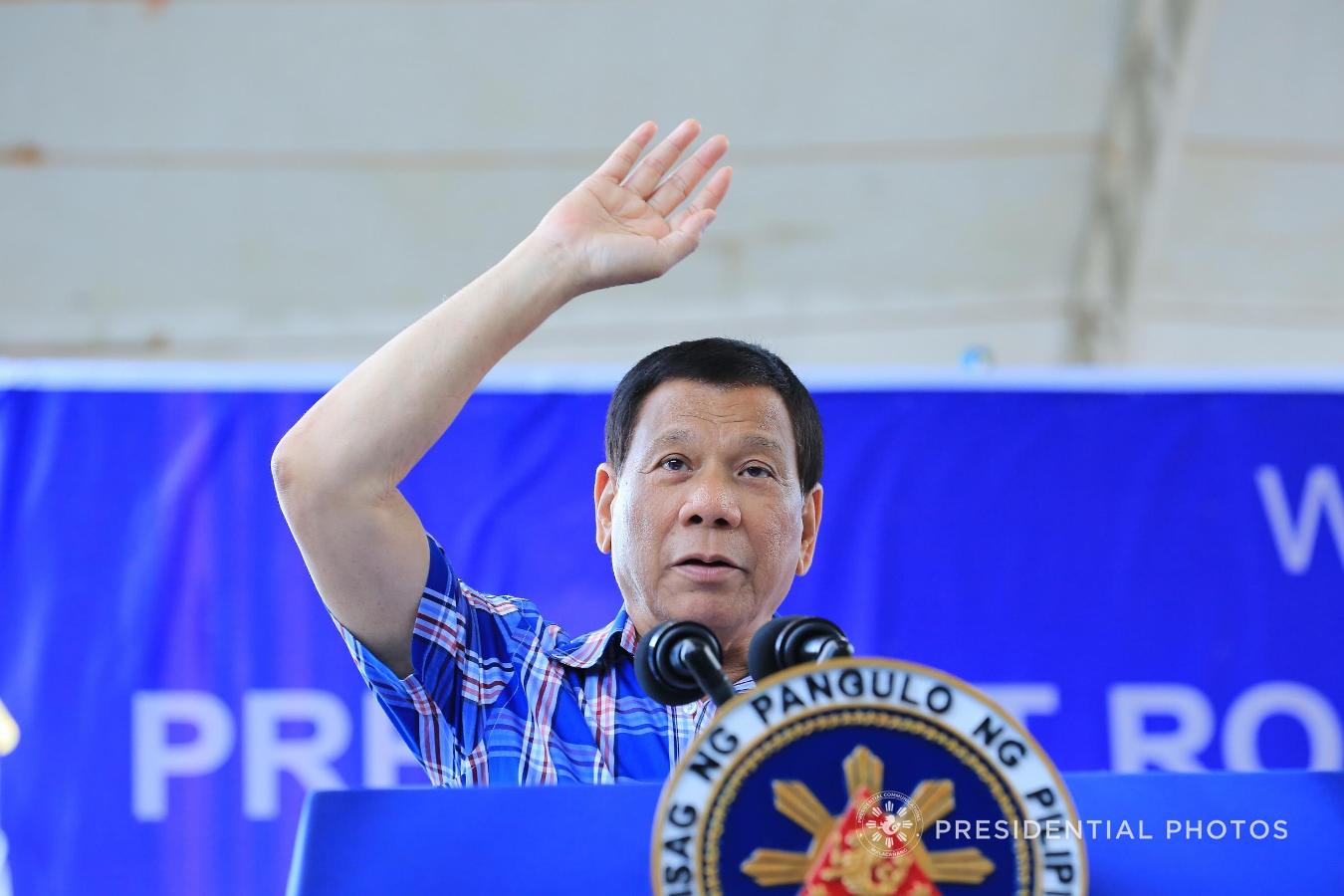

Preparations for a possible trial at the International Criminal Court have advanced, with judges scheduling a status conference on May 27 in the case involving former Philippine president Rodrigo Duterte.

The upcoming session is intended to map out how proceedings will unfold rather than to hear the case itself. Judges are requiring both prosecution and defence teams to file detailed submissions by May 15 to help determine the scope and timeline of the trial.
“To facilitate the preparation of the first status conference and to enable the chamber to set the trial date in this case, the chamber seeks submissions from the parties and participants,” read the order.
As part of the preparations, the court is seeking specifics on the volume of evidence and testimony expected. Prosecutors have been asked to outline how many witnesses may be presented, how long they could be on the stand, and whether expert testimony will be introduced. The chamber is also examining whether certain testimonies might be delivered remotely through audio or video links.
Judges are likewise requesting estimates of documentary materials, including reports and records, and clarifications on which facts might already be agreed upon by both sides. Any points of agreement could streamline proceedings by removing the need for litigation on those matters.
Operational aspects of the trial are also under review, including language requirements and interpretation services for participants. The court has asked both sides to detail how evidence will be exchanged and whether investigative work is still ongoing, particularly in relation to pending disclosures.
Witness protection remains a central concern. The chamber is evaluating potential safeguards such as anonymity, redactions, or delayed disclosure of identities. It has also asked whether any witness names have already been withheld from the defence and how such measures will be handled moving forward.

At the same time, Duterte’s legal team must indicate whether it intends to formally present a defence under ICC rules. Both parties are also expected to estimate the duration of their opening statements and flag any legal questions that need resolution before trial proceedings can begin.
Victim participation, a distinct feature of ICC cases, is also part of the court’s inquiry, with judges seeking updates on individuals who may be allowed to take part in the process.
“Should the parties and participants know of any matters which may delay the start of the trial or which should be resolved before the status conference, they should promptly bring these to the chamber’s attention,” the order added.
In a separate directive, the court has instructed both sides to submit their positions on Duterte’s continued detention by May 8. His custody has been upheld multiple times since 2025, with regular reviews required under ICC rules.
“The chamber considers it necessary to give the parties and participants the opportunity to submit any observations they may have regarding the accused’s continued detention or release, with or without conditions, including the existence of any changed circumstances.”
Parallel to these developments, Duterte’s defence team is challenging the confirmation of charges, arguing that the court adopted an overly expansive interpretation in defining them. In a filing, counsel Nicholas Kaufman stated that the chamber used an “impermissibly ‘flexible’ approach to the formulation of the charges.”
He further argued that, “The pre-trial chamber relied on irrelevant considerations, namely, the ‘limitations inherent to its statutory role’ and an asserted prosecutorial ‘prerogative to expand and vary the evidentiary basis relied upon following confirmation,’ which find no basis in the Rome Statute.”
