



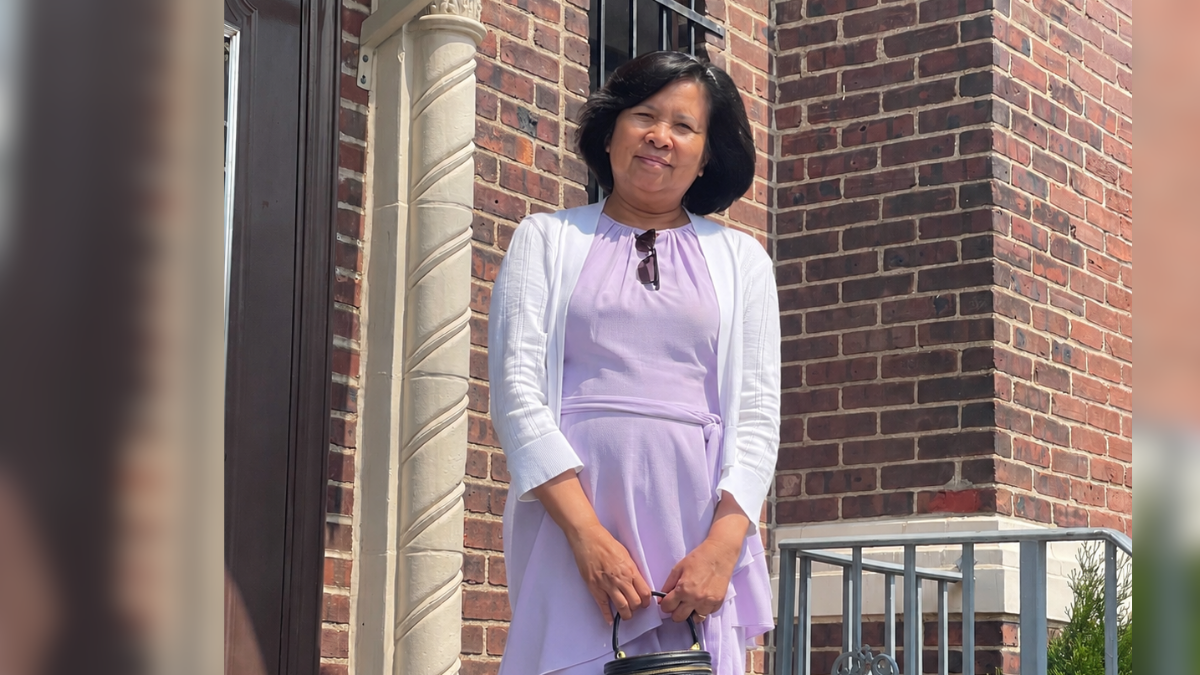

For most of the four decades she spent in American hospitals, the hardest part of nursing for Celia B. Vargas was not the long shifts, the night rotations, or the weight of caring for patients in crisis. It was the moment someone handed her a microphone.

Celia, now 64 and retired after 39 years as a Registered Nurse in the United States, spent much of her career quietly excellent at her job and privately terrified of being asked to address a room. The woman who would eventually earn the highest distinction in one of the world’s largest public-speaking organizations once dreaded the simple act of standing up to talk. “Communication and public speaking were also personal struggles for me,” she shares with TGFM. “Despite years of professional experience, there were moments when I felt fear, hesitation, and difficulty expressing ideas confidently.”
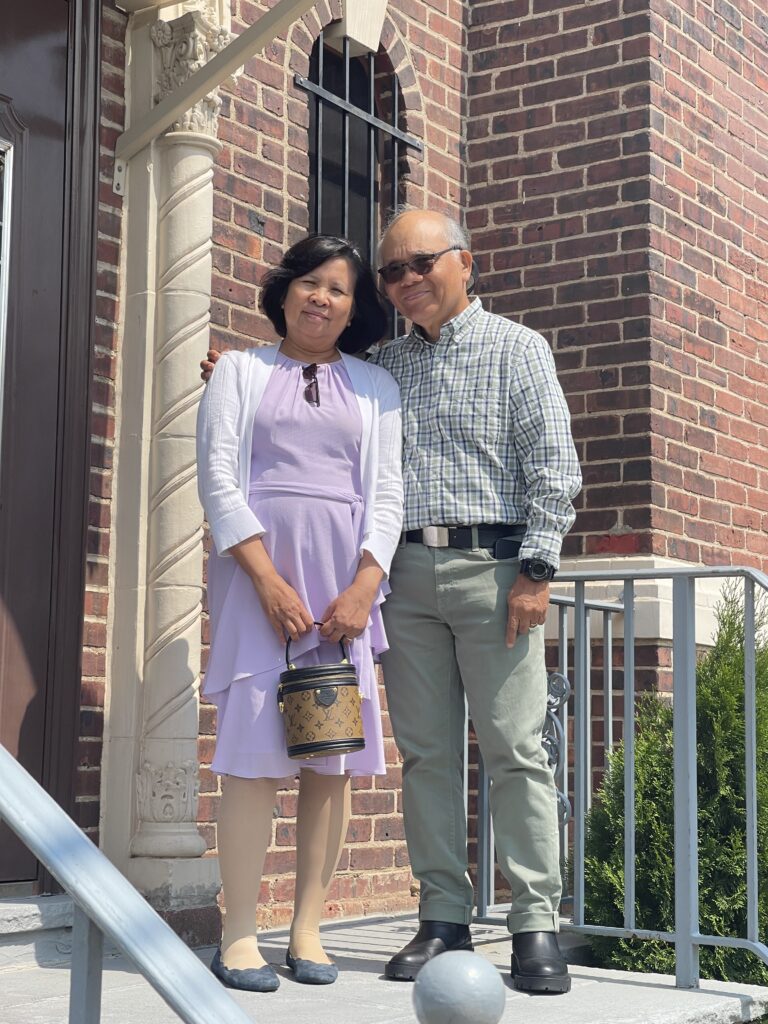
That gap — between a respected clinician and a reluctant speaker — became the engine of her second act.
A dream that started with a birthday cake
Long before the degrees and the awards, there was a cake. Celia grew up in Bongabon, Nueva Ecija, and one of her earliest memories of wanting something bigger came from a childhood goodbye party. A grade-school friend was leaving for the United States, and the family had prepared a birthday cake to mark the occasion.
To anyone else, it was an ordinary dessert. To a young girl in a small town, it was a glimpse of another world. “To many, it may have seemed simple,” she recalls, “but for me, it symbolized hope, opportunity, and the possibility of a bigger future.”
The dream took years to reach. Celia earned her Bachelor of Science in Nursing from Far Eastern University and began her career at Dr. Jose N. Rodriguez Memorial Hospital, building the foundation she would later carry overseas. Determined to go further, she sat for the CGFNS examination and eventually migrated to the United States, joining the long line of Filipino nurses who have become a backbone of American healthcare.
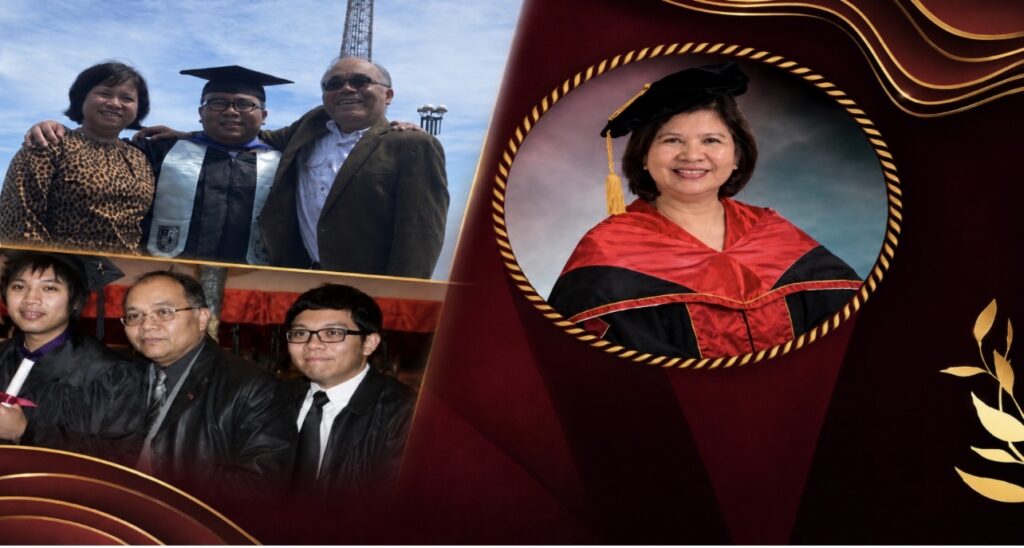
What followed was a career most would consider more than full. She worked at Woodhull Medical and Mental Health Center and at Bellevue Hospital Center, where she became part of an award-winning Heart Failure Case Management Program recognized with a Dorland Health Award in Washington, D.C. Along the way she added a Master of Arts in Nursing Administration from New York University and, later, a Doctor in Management degree from Capitol University, completed with Academic Excellence Awards.
On paper, she had arrived. In person, there was still that microphone.
Learning the skill no diploma taught her
The decision to confront her fear of speaking did not come from a hospital or a classroom. It came from Toastmasters, the international club where ordinary people practice public speaking in front of equally nervous strangers. Celia joined, kept showing up, and slowly began to change.

It is one thing to attend a few meetings. It is another to earn the Distinguished Toastmaster designation, the organization’s top recognition — a marker of sustained leadership and communication achievement that takes years to reach. Celia earned it. The nurse who once froze at the thought of speaking had, through sheer repetition and refusal to quit, turned her weakest skill into a credential.
That transformation gave her an idea. If confidence could be built deliberately, step by step, why not give people a system for it? Out of that conviction came DEWESIA, a communication framework she developed and named for its stages: Define, Explain, Why, Example, Say It Again, Insight, and Action. It is designed, she says, to help people “think more clearly and communicate with confidence” — the very thing she had spent years teaching herself.
Her insistence that communication is learnable, not inborn, sits at the heart of everything she now does. “Today, I enjoy writing educational materials, mentoring, and encouraging others to believe that communication is not just a natural talent — it is a skill that can be developed,” she says. Coming from someone who lived both sides of that claim, it carries weight.
What retirement actually looks like
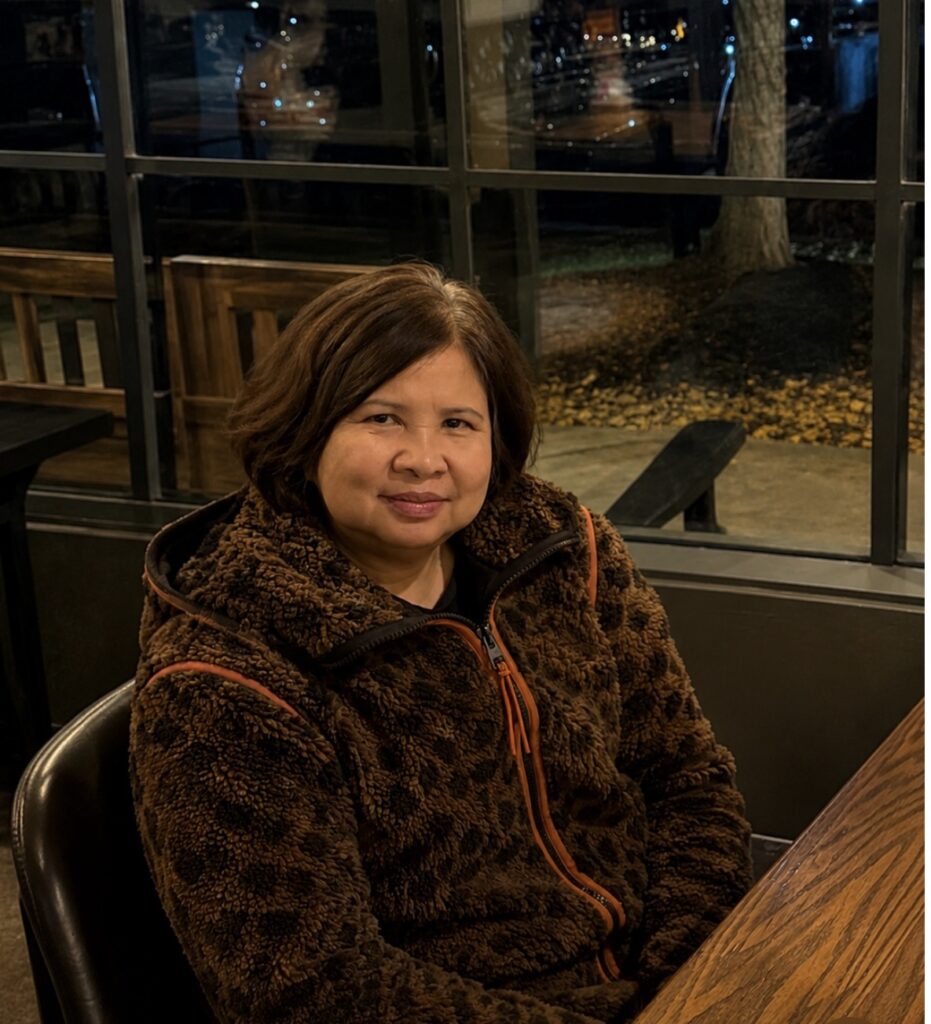
Celia is technically retired from bedside nursing, but the word does not quite fit. She writes, mentors, and develops educational materials, with projects aimed at reading and communication for children, students, and professionals. She wants to keep building out DEWESIA and to keep publishing. “For me, retirement is not the end,” she says. “It is simply a new chapter with a deeper purpose: helping others grow, learn, and believe in themselves.”
The throughline across both chapters — nursing and now teaching — is the same instinct to help. “Helping people has always been at the center of my life, whether through healthcare or communication,” she says. She is especially drawn to those who struggle with confidence and public speaking, for the obvious reason that she was once among them.
She does not pretend the 41 years abroad were easy. Like many overseas Filipino workers, she carried homesickness, uncertainty, and self-doubt alongside the professional wins. Her faith, her family, and a circle of trusted mentors and friends, she says, were what held her steady. She has a way of compressing all of it into a single image: life can feel like a storm, but calm and clarity tend to follow.
For kababayans still in the thick of their own storms, her advice is unsentimental. Success does not arrive overnight; it comes through sacrifice, consistency, and perseverance. Keep learning, save wisely, choose trustworthy people, and protect your peace.
She closes, fittingly for someone who reinvented herself in her sixties, with the Latin motto she has adopted as her own: Ad Astra Per Aspera — through hardships to the stars. “Through faith in God and determination, I truly believe that dreams can become possible,” she says. “And above all, never say never.”
The woman who once feared the microphone now spends her days handing one to other people — and teaching them how to use it.
