



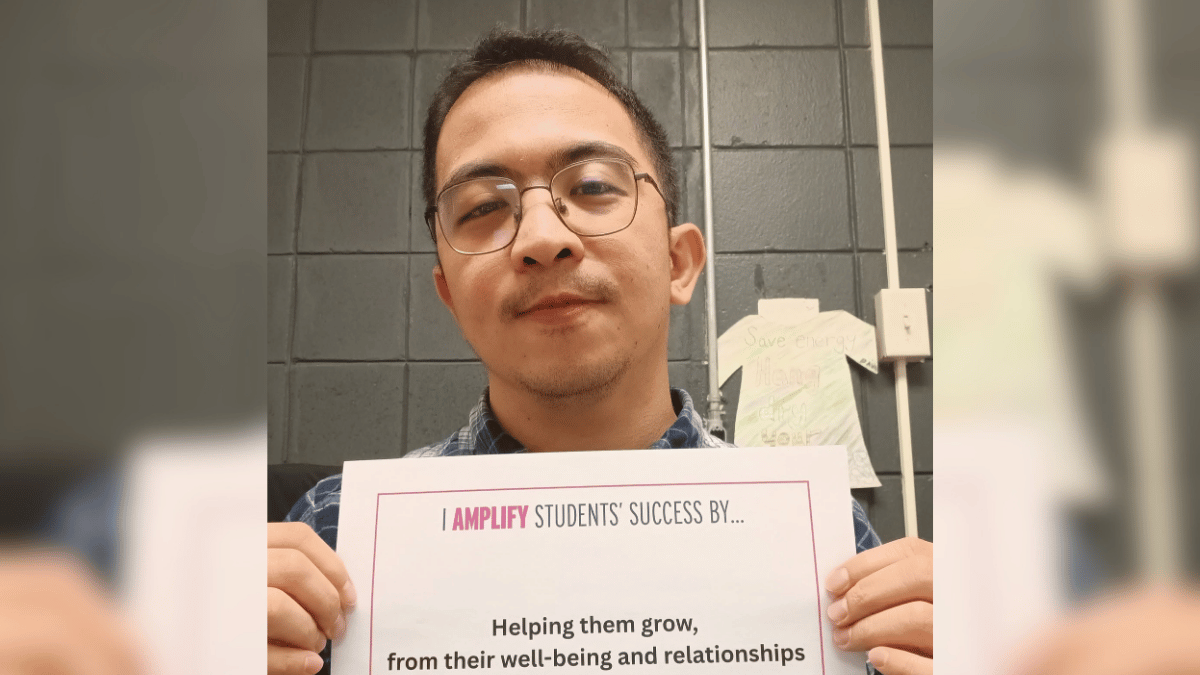

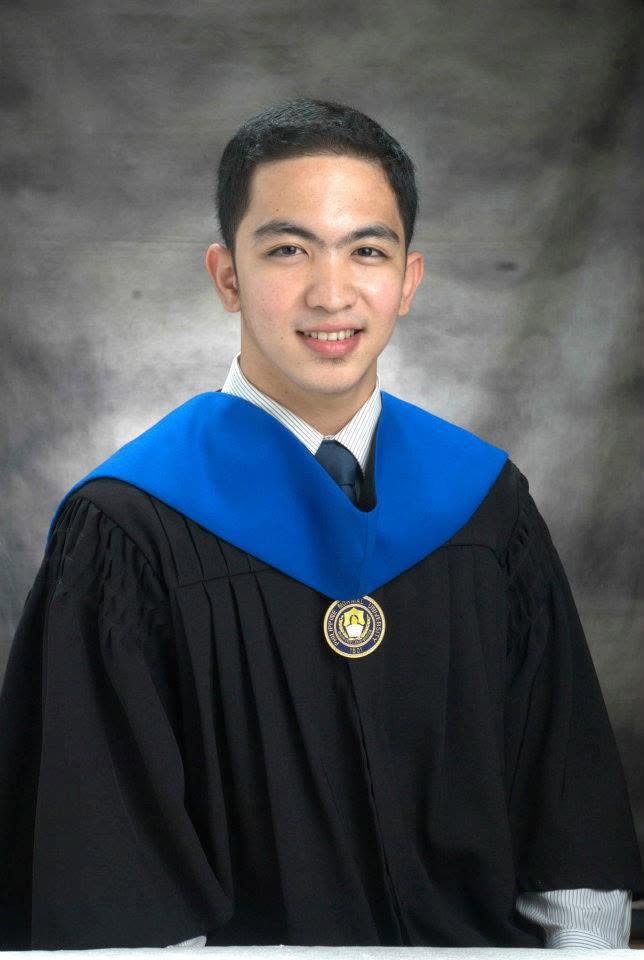
Sometimes the tears came in the shower. Far from home in a small town in rural Minnesota, a Filipino school counselor would let the water run while he cried for the people he had left behind. “There are times that I’m crying in the middle of my shower in the bathroom as I miss my family and friends in the Philippines,” admits Darryl C. Correa, a licensed professional teacher, registered psychometrician, and registered guidance counselor.

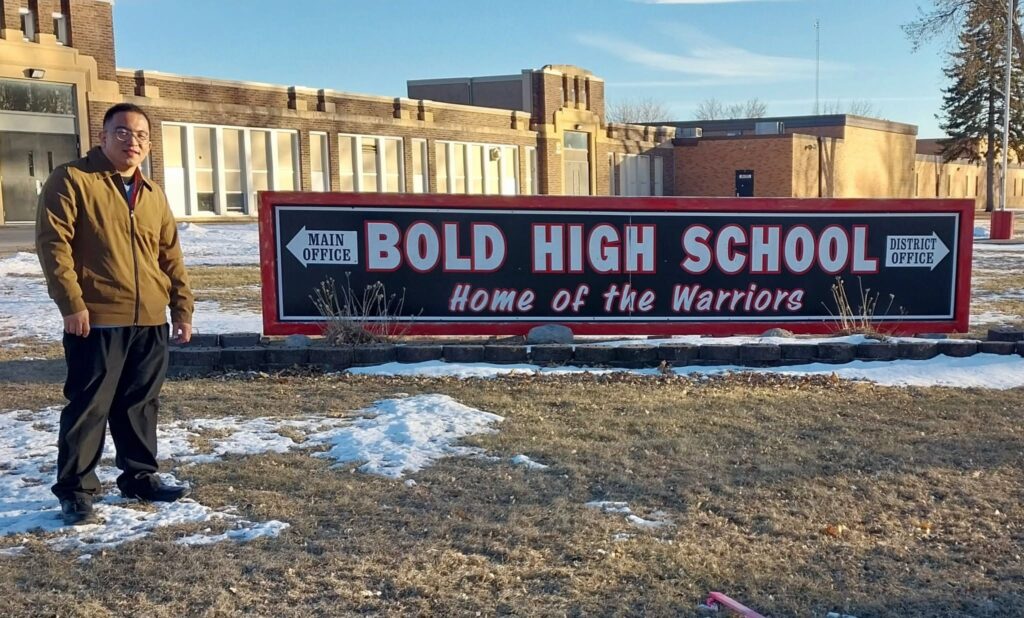
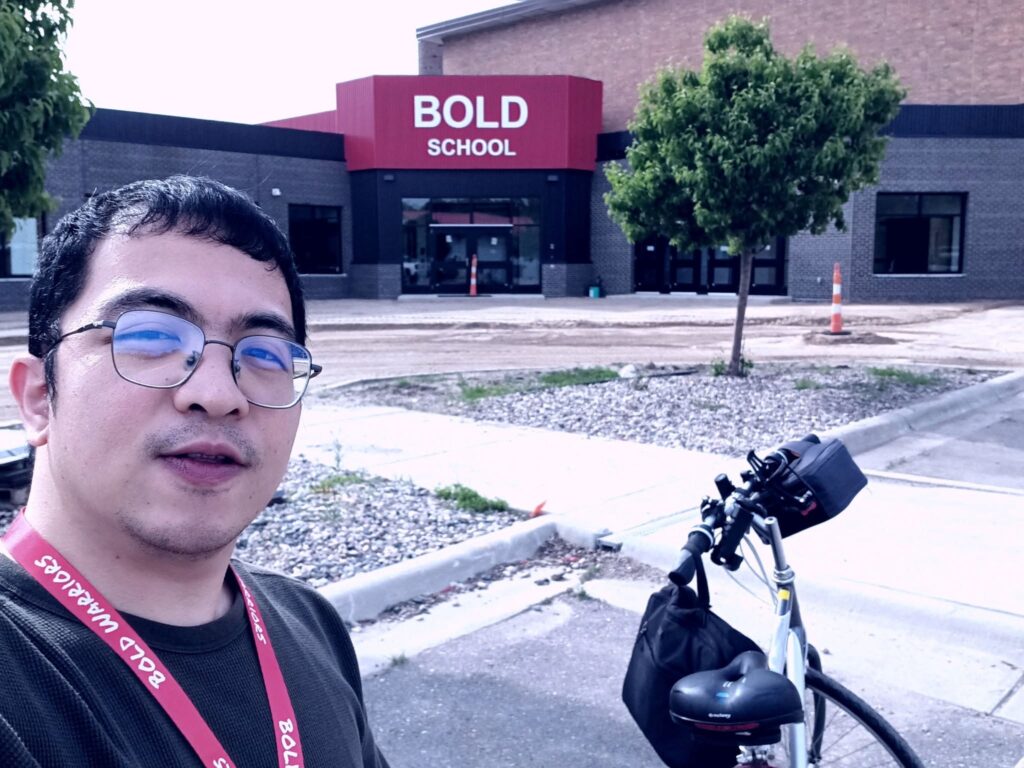
Three years into his first overseas post, Darryl is a school counselor at BOLD School in Olivia, Minnesota, where he handles academic and career guidance for students. It came with better hours than any job he had back home, and he never went looking for it.
An opening he never applied for
The lead came through word of mouth. A teacher-colleague working in the United States told him plainly that he was a school counselor and there was an opening in Minnesota. Darryl had no plans to leave the Philippines. After more than a decade with the Department of Education (DepEd), the most he wanted was a transfer to another government agency.
“I told myself, ‘there is no harm in trying,'” he shares with TGFM. He applied, interviewed, and got hired. “Minnesota? God’s plan I guess. Not my plan but His plan.”
The path to that offer started years earlier at the Philippine Normal University-Manila, where Darryl took up BS Psychology, major in Guidance and Counseling, and graduated in 2012. His major subjects made him fall deeply in love with psychology, and his college practicum in 2011 showed him how badly the country needed counseling psychology professionals. He went on to earn an MA in Counseling from De La Salle University-Manila in 2021.
At DepEd, he started as a values education teacher and guidance advocate before rising to Head Teacher III and guidance counselor. His name became tied to mental health and mindfulness advocacy. Schools and organizations invited him as a resource speaker, and on the side he worked as a part-time crisis responder for a suicide prevention hotline.

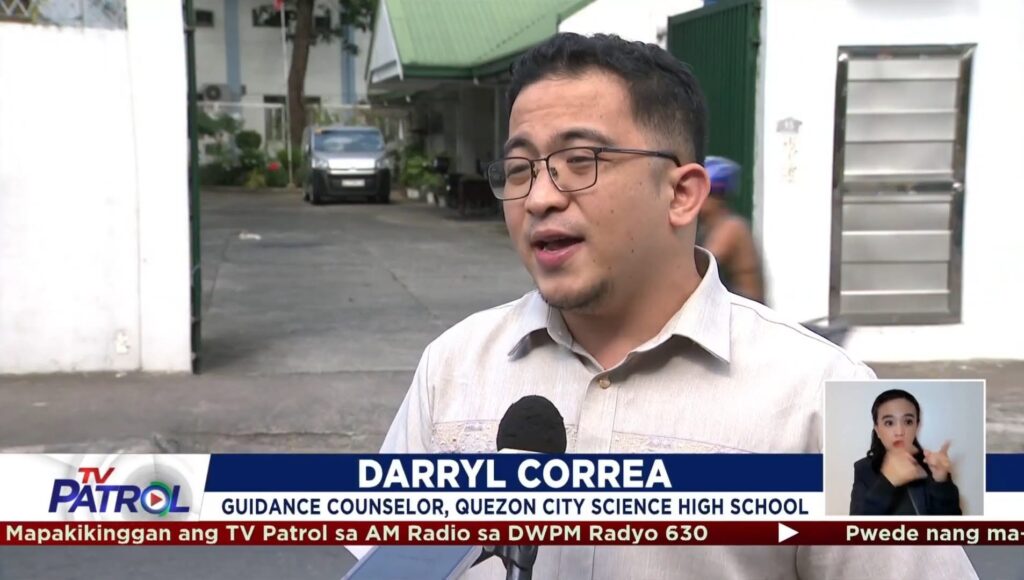
The drive behind all of it was personal. As a child, Darryl was bullied, and he says the problem is still widespread, now alongside the mental health struggles young people carry. “That is why I have the passion of helping people,” the counselor says.
Four o’clock and the quiet after
In Minnesota, the workday actually ends. Darryl compares his old DepEd workload to chop suey, pakbet, and halo-halo: everything piled together, with unpaid overtime and late nights at school just to finish tasks. “Unlike here, 4:00pm and you can go home,” he says. “Everybody will go home and have personal time.”

He now spends those hours walking and biking around town. He also sees growth in the culture shift itself. Coming from the interdependent culture of the Philippines into an independent American one, he says, teaches you more about yourself and pushes you to learn new skills.
The quiet cuts both ways. For someone used to Quezon City, a small community is a big adjustment. “So quiet community!” Darryl says. The homesickness hit hard, and his answer was to lean on the tools he used to teach others: mindfulness, self-care, and time with fellow Filipinos in the area. He also built a life in town, serving as an usher at St. Aloysius, volunteering at the Renville County Food Shelf, and joining the Lions Club of Olivia and the Knights of Columbus.
A different kind of counseling
The harder adjustment was at work. In the Philippines, Darryl did mental health counseling. In Minnesota, his role centers on academics and careers. “Like I miss my practice and mental health advocacy in the Philippines,” he says. “It is different.”
He stopped fighting the gap. His approach, in his own words, is to “just accept that it is what it is here and move forward,” and to focus on what he can do today to help students plan their classes and their futures.
That same directness shapes his advice for kababayans abroad. “Never assume,” the Filipino counselor says. “Always ask and clarify.” Americans are straightforward, he explains, so newcomers need to be straightforward too. On money, he warns against loan sharks and suggests borrowing from family, relatives, or friends instead. “Big interests! It hurts.”
What the paycheck can’t cover
For all the balance Minnesota has given him, Darryl’s long-term plan points home. When his time abroad ends, he wants to return to the Philippines and practice mental health counseling for Filipinos again.
“There are things that money or dollars cannot buy like ‘passion’, ‘purpose’, and ‘meaning,'” he says. For now, he helps Minnesota students one schedule at a time, while his real calling waits back home.
