




A move by House prosecutors to summon Vice President Sara Duterte as a witness in the case against her drew an immediate constitutional objection from her defense team, which argued Tuesday that no one facing trial can be forced to give testimony that works against their own interest.

The clash unfolded on the 23rd day of proceedings before the Senate impeachment court, after private prosecutor Lorna Kapunan told the tribunal that the panel wanted Duterte herself to take the stand at the proper stage. Kapunan made the disclosure as prosecutors set aside 15 witnesses they had lined up for the first article of impeachment, which covers the alleged misuse and irregular liquidation of P612.5 million in confidential funds, per The Filipino Times. She contended that the evidence already on record traced accountability back to a single figure. “All of these pawns and castles and horses and bishops point to only one person and that accountable person is the Vice President,” Kapunan said, according to Rappler, likening Duterte to a chess queen able to move in any direction.
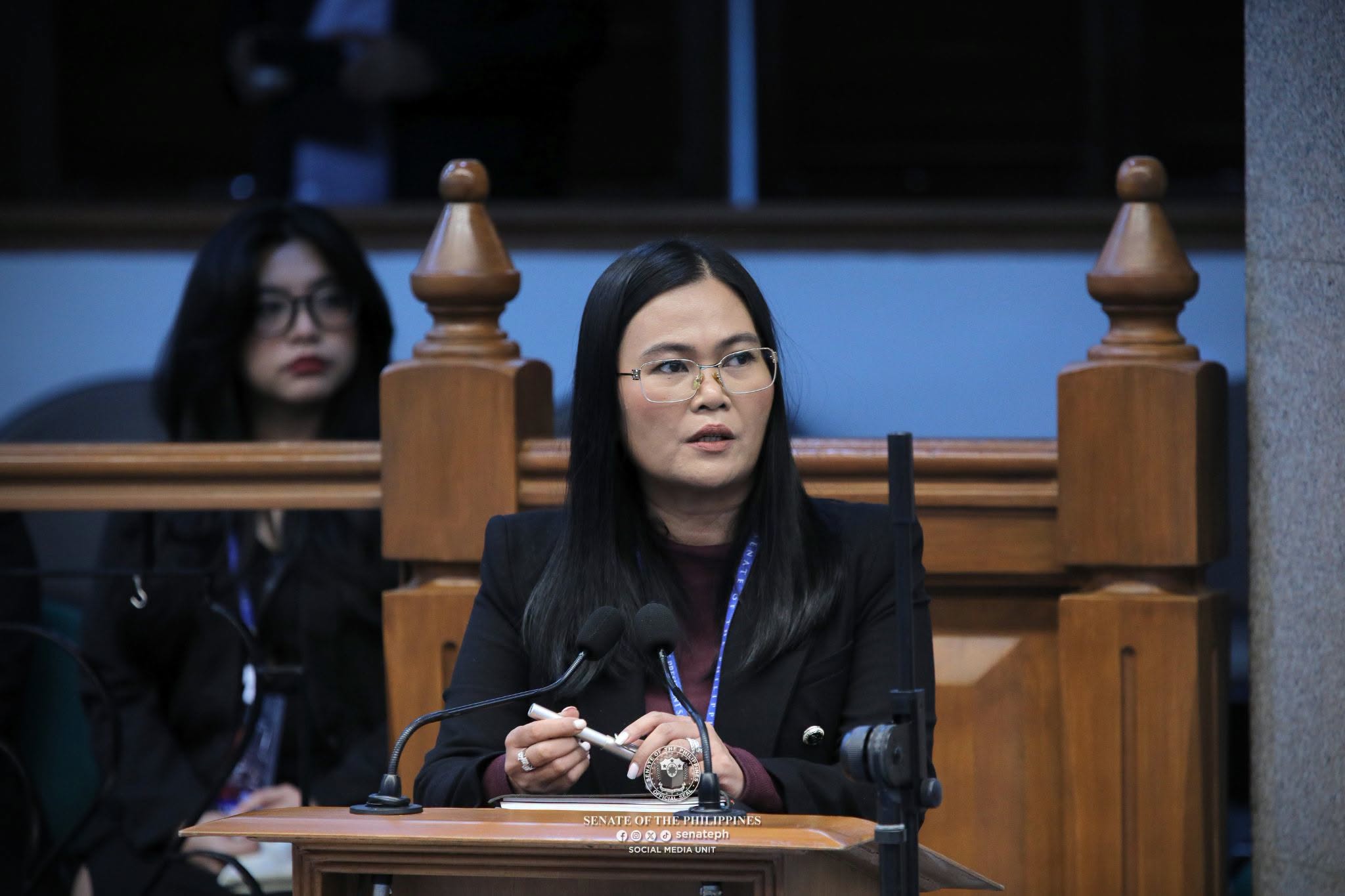
Lead defense counsel Sheila Sison countered that the request carried a built-in legal flaw. She anchored her position on Section 17, Article III of the 1987 Constitution, the guarantee that no person can be forced to serve as a witness against himself. In her telling, the protection is not something lawmakers granted and could withdraw. “This right is absolute and this is not only a simple right or a statutory right. This is a fundamental right. This is a right emanating from the Constitution itself and one that emanates from the guarantees under Article 3 of our 1987 Constitution,” she said. Sison framed the safeguard as one belonging to every Filipino who might face a proceeding where self-incrimination could come into play, not to Duterte alone.
The defense also pushed back on any suggestion that the Vice President was absent or disengaged from the case. Sison noted that Duterte’s interests were being advanced in the courtroom by the lawyers she had retained. “If respondent is not interested in this trial, she would not have even sent her lawyers to defend her in this case,” she said.

No subpoena has been sought so far. Kapunan indicated the prosecution would hold off on formally asking the court to compel Duterte’s appearance until it had finished laying out the remaining articles, while reserving the option to press the matter later. Sison, in turn, said the defense would file a written comment if and when prosecutors actually moved for a subpoena.
Whether an impeachable official can be pressed onto the witness stand remains unsettled before the tribunal. Court spokesperson Reginald Tongol said the senator-judges may take up oral arguments before ruling, given that a constitutional right sits at the center of the dispute. Presiding officer Francis Escudero, who has said he wants a formal motion in hand before deciding, has separately pointed to the 2012 trial of the late Chief Justice Renato Corona, who did take the stand in his own case — though he did so of his own accord, not under compulsion.
Duterte was impeached by the House of Representatives on May 11 on a 257-25-9 vote, facing charges that include culpable violation of the Constitution, graft and corruption, betrayal of public trust, and bribery. The articles that will test the reach of Section 17 have their roots in that spring tally, which sent her case to a Senate court that convened for the first time on July 8.
