





In the Philippine public school system, burnout rarely arrives as a single dramatic moment. It builds quietly, through years of doing more with less until the job you once loved starts to feel like a transaction. John II B. Pielago knew that feeling well. For five years he showed up to his classroom at Libon Agro-Industrial High School in Albay, taught English to teenagers, and slowly stopped recognizing the teacher he had set out to become.

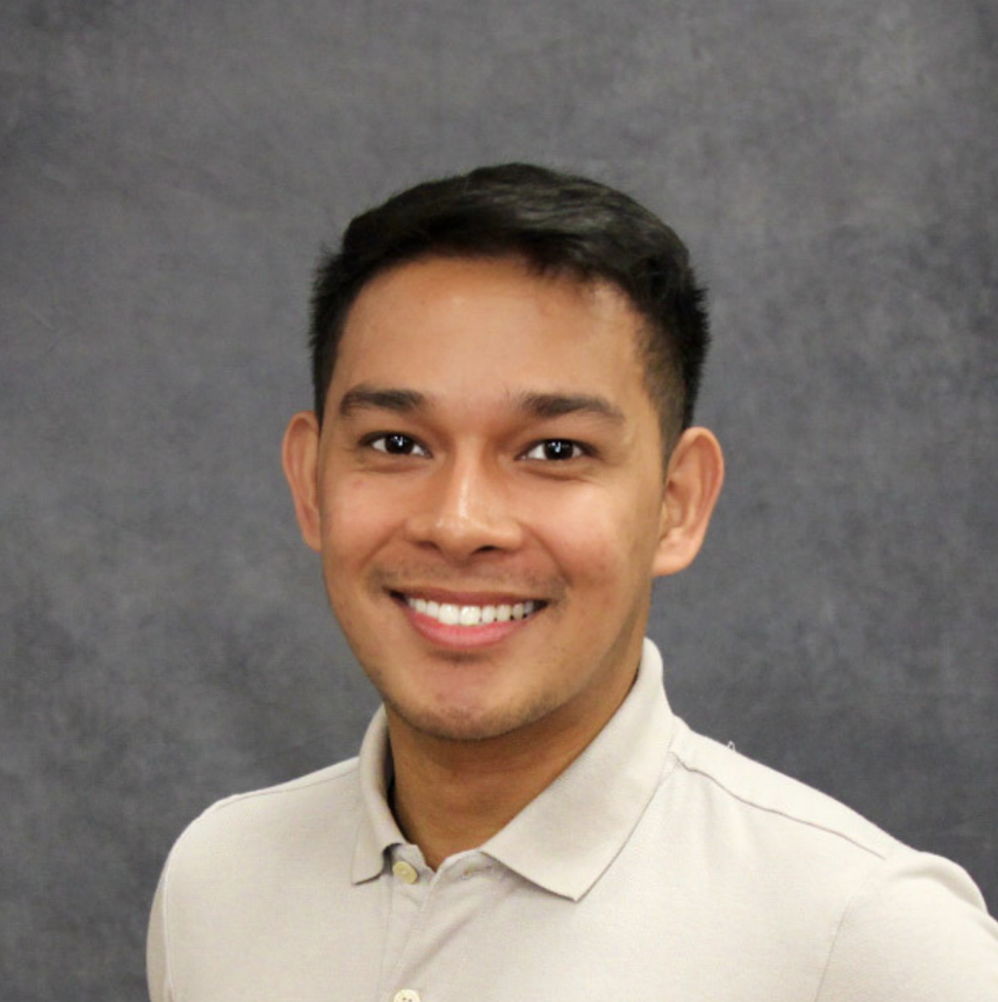
Then a principal handed him an exit line that would change everything. “If you don’t like the system, leave,” John recalls being told. He took the advice literally. Three years later, at 31, he stands in front of middle schoolers in Beeville, Texas, a fully certified Special Education Specialist with a wall of new credentials and something he thought he had lost for good.

Leaving on his own terms
The decision to work abroad wasn’t about chasing a bigger paycheck, though the financial stability came. It was about survival of a different kind. “I found myself just showing up for the paycheck instead of enjoying the career I once dreamed of,” he shares with TGFM. “The system had already burned me out.”
That candor is rare among educators who often frame their departures in gentler terms. John doesn’t soften it. He left the Department of Education because he no longer felt valued, and he says the move turned out to be one of the best decisions of his life. The classroom in Texas gave him back something the years of Brigada Eskwela drives, LAC sessions, and INSET trainings had steadily worn down.
His current role at Beeville Independent School District covers Reading Language Arts for middle school students, plus curriculum planning, assessment, and classroom management. But the through-line from Libon to Beeville is the same instinct that kept him in teaching despite everything: a belief that the work matters. “Education has the power to change lives,” he says. “The future depends on today’s children, and as educators, we have the responsibility to help shape them into responsible citizens and future leaders.”
The cost of starting over
Ambition on paper is one thing. The reality of relocating alone to a country where you know almost no one is another. The former DepEd teacher describes the first stretch abroad in 2024 as one of the biggest challenges of his life — leaving behind family, a comfort zone, and a familiar world to navigate a new culture and education system by himself.
“There were moments of uncertainty, homesickness, and self-doubt,” he admits. What carried him through was less about grit and more about the people who refused to let him sink. He credits colleagues who became friends, and specifically names Robert and Jonathan Ramirez and Angelica Howard for encouraging him during the hardest stretches. He also drew on the example of other Filipino educators overseas who had built stable lives far from home.
Homesickness has a way of narrowing the world to what you’ve lost. John reframed it. “Every sacrifice was part of a bigger purpose,” he says, and he leaned on a habit that sounds simple but is hard to sustain: staying willing to learn, staying open, treating each difficulty as something to move through rather than around. The result, he says, was not just a smoother adjustment but a sturdier version of himself. “Leaving my comfort zone was not just about seeking better opportunities—it was about discovering my potential.”


What respect actually feels like
Ask him what he appreciates most about the American classroom, and the answer isn’t the salary or the technology, though he values both. It’s a workplace culture that treats teachers as professionals worth investing in. “I feel respected, trusted, and supported as a teacher,” he says. Administrators and staff, in his telling, make sure the resources are there and the help is available — and professional development is offered to everyone, not, as he pointedly puts it, “just a selected few.”
The contrast with what pushed him out of DepEd is impossible to miss, and he doesn’t pretend otherwise. But he spends less energy on the comparison than on the payoff. His most satisfying moments come from watching students grow into their own capability — building confidence, strengthening literacy, passing their STAAR exams, and realizing they can do more than they believed. “Knowing that I have played a role in their growth and success makes every challenge worthwhile,” he says.
That renewed sense of purpose has been the real return on the risk. The teacher who once clocked in for a paycheck now describes teaching, without irony, as his passion again. The recognition has followed: Teacher of the Month in April 2025, a Texas Standard Teaching Certificate, and Special Education EC–12 certification, all earned within his first years in the district.
Building something permanent
John isn’t treating this as a temporary posting. His current work visa is a pathway to permanent residency, part of a commitment from Beeville ISD tied to six years of service, and he intends to see it through toward eventual citizenship. He is also studying for a Doctor of Education in Leadership Management through the University of Nueva Caceres in Naga City, taking classes online while teaching full-time — a schedule that says a good deal about where his energy has gone.
The long-term goal is to move from the classroom into educational leadership, where he wants to advocate for inclusive learning and better support systems for both teachers and students. There’s a quiet symmetry in that ambition: the man who left a system that didn’t hear him wants to help build ones that do.
For the Filipinos weighing the same leap, his advice avoids the usual gloss. The journey won’t always be easy, he says, and every sacrifice has a purpose — but the warning underneath is just as important. “Do not lose yourself while chasing opportunities,” he says. Take care of your mental health, manage your money wisely, and be deliberate about who you let close.
He’s living proof that the leap can pay off, but he’s careful not to sell it as a guarantee. “Being abroad is not only about earning a living,” he says. “It is about growth, discovering your potential, and creating a better future for yourself and your loved ones.” For a teacher once told to leave if he didn’t like the system, that turned out to be less an insult than a map.
