



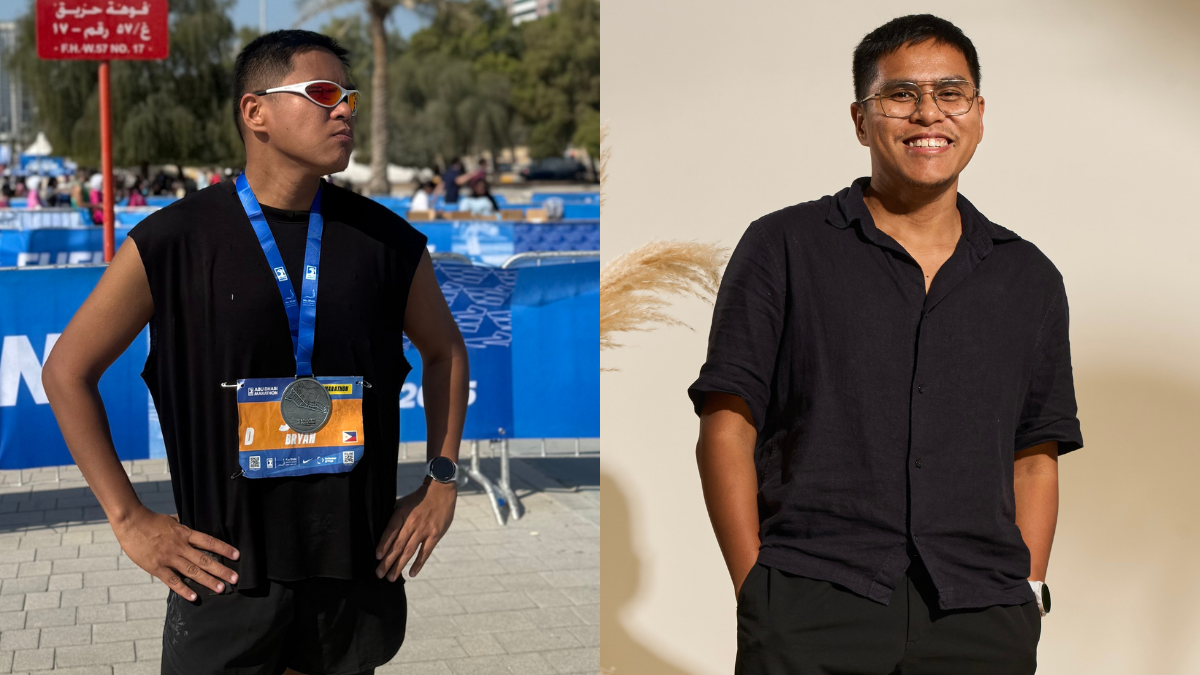

A nursing degree usually points in one direction. Four years of anatomy, pharmacology, and clinical rotations tend to funnel graduates toward hospitals, clinics, or a plane ticket to a caregiving job in the Gulf. So it says something that a nursing graduate from Cavite spends his days in Dubai not taking vital signs, but framing shots and chasing light.

Bryan Benida, 34, was born and raised in Dasmariñas City, Cavite, and holds a Bachelor of Science in Nursing. He has never worked a day as a nurse. Instead, the camera he first picked up in college became the thing he built a life around—one that eventually carried him more than 6,000 kilometers from home to a creative career in the United Arab Emirates.
The degree he never used
For more than a decade, photography has been the constant in Bryan’s life. He started shooting during his college years, treating it less as a hobby than an apprenticeship. By the time he graduated, the pull toward images had already outmuscled any obligation he might have felt to the nursing profession his diploma promised.
Back home, he worked as a Multimedia Artist at SM Retail Inc., producing visual and marketing materials for the company’s eCommerce platform while taking freelance photography jobs on the side. The freelance work mattered as much as the salaried role—it built his portfolio and put him in front of clients who each demanded something slightly different. To sharpen his eye further, he enrolled in a fashion photography course at FIP Ortigas, which expanded his technical range and, just as usefully, connected him to people working in the fashion and photography industries.
None of it was glamorous. It was the slow, unglamorous accumulation of skill that most creative careers are actually made of.
A LinkedIn scroll that changed everything
The move abroad wasn’t the product of a grand plan. There was no years-long ambition to work in the Gulf, no relatives paving the way. There was, instead, a phone in his hand and a habit of applying to anything that fit.
“I honestly didn’t expect that I would end up working as a photographer in Dubai,” he says. “One day, I was simply scrolling through LinkedIn and submitting my CV to every company that seemed like a good fit. Then, unexpectedly, I received a call from a company in Dubai inviting me for an interview.”
Everything moved quickly after that. In November 2023, he landed in Dubai for his first international role—a Photographer for a group of companies spanning fashion retail, food and beverage, and real estate. His job was to capture and produce visuals for their social channels and websites. He arrived, by his own description, as a complete stranger, with few friends and little sense of what he was walking into.
He took it anyway. The reasons were the ones most Filipinos abroad will recognize: to widen his career options, gain international experience, and support his family. But there was something quieter underneath, too—a curiosity about what he was actually capable of. “Living and working in another country has pushed me beyond my comfort zone,” the Cavite native says, “and helped me realize that I am capable of achieving more than I ever imagined.”
The 110-kilogram low point
That realization did not arrive on schedule. It arrived only after several months that nearly sent him home.
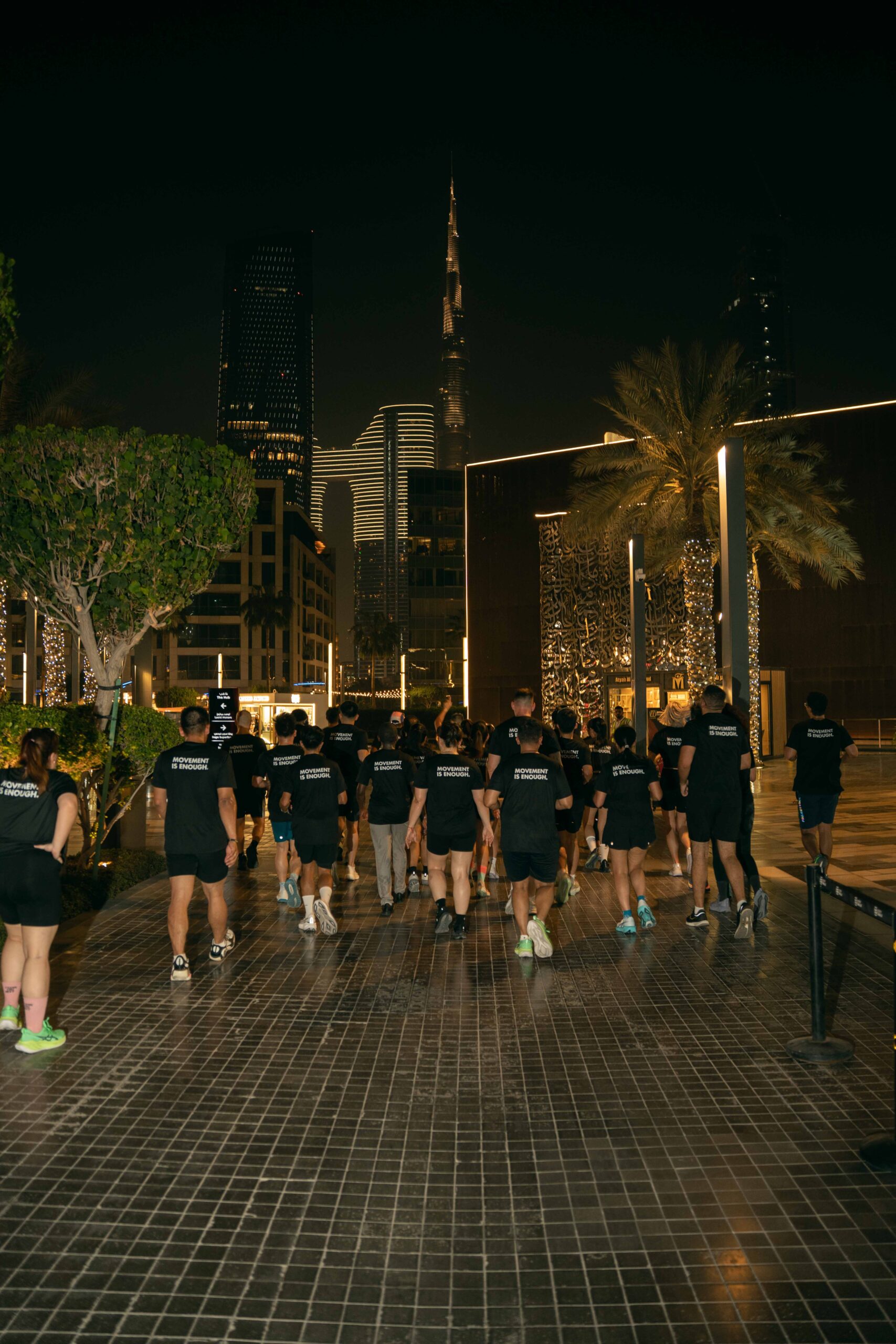
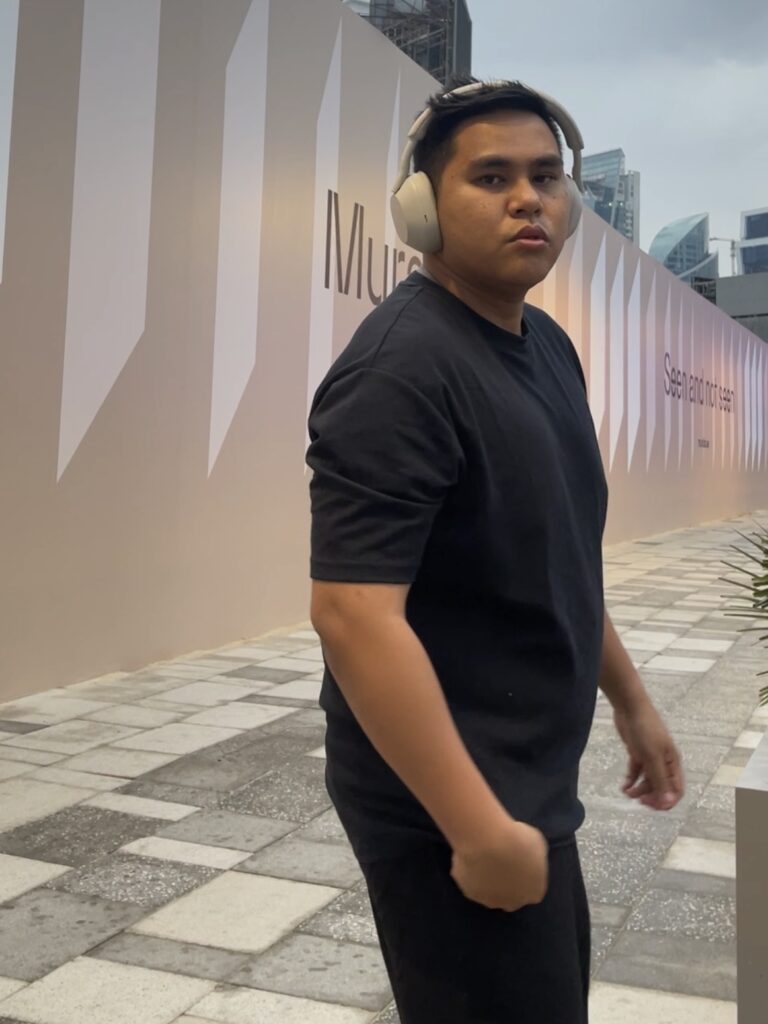
The early stretch in Dubai was, in his words, really tough. Homesickness settled in and refused to lift. For the first three months, he kept turning the same thought over: maybe he should just go back to the Philippines. The culture felt impenetrable. His new coworkers had strong personalities he couldn’t seem to match. He was, at that point, also carrying 110 kilograms and the low-grade heaviness that comes with feeling out of place in a body and a city all at once.
His lifeline was other people—fellow Filipino coworkers from his first company and friends from church, who steadied him through the worst of it. But he came to a conclusion that a lot of overseas Filipino workers arrive at eventually. “As an OFW, I also realized that I had to help myself, especially mentally.”

The first push came from a flatmate who invited him to the gym. Then he started walking. Then running—badly, and with no idea what he was doing. “My only goal was to sweat, lose weight, and clear my mind,” he recalls. Little by little, results showed up.
How running rebuilt him
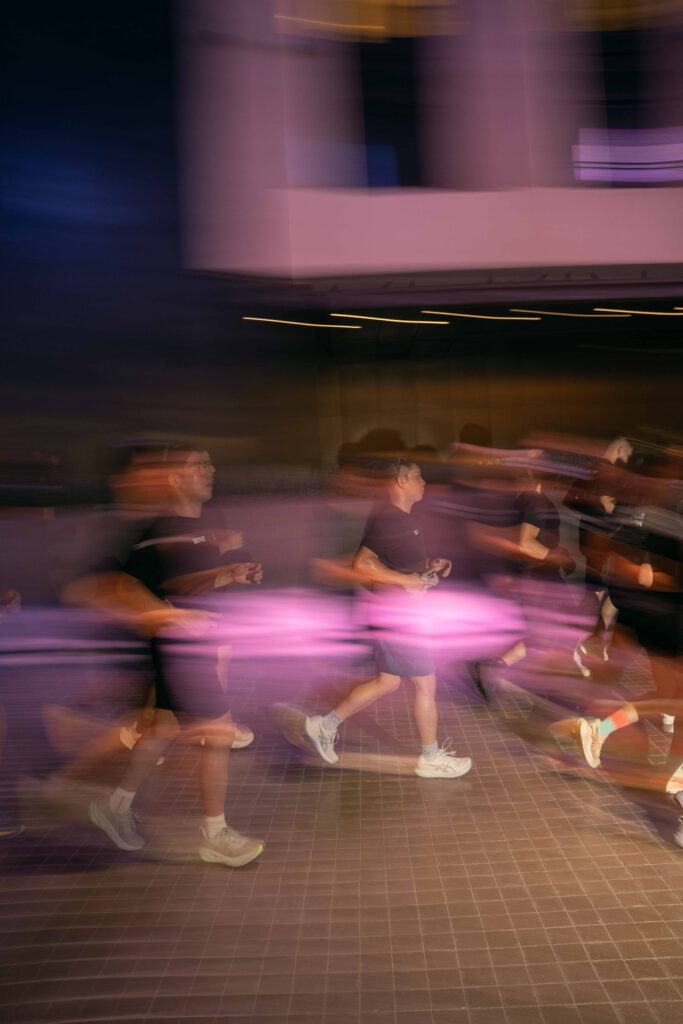
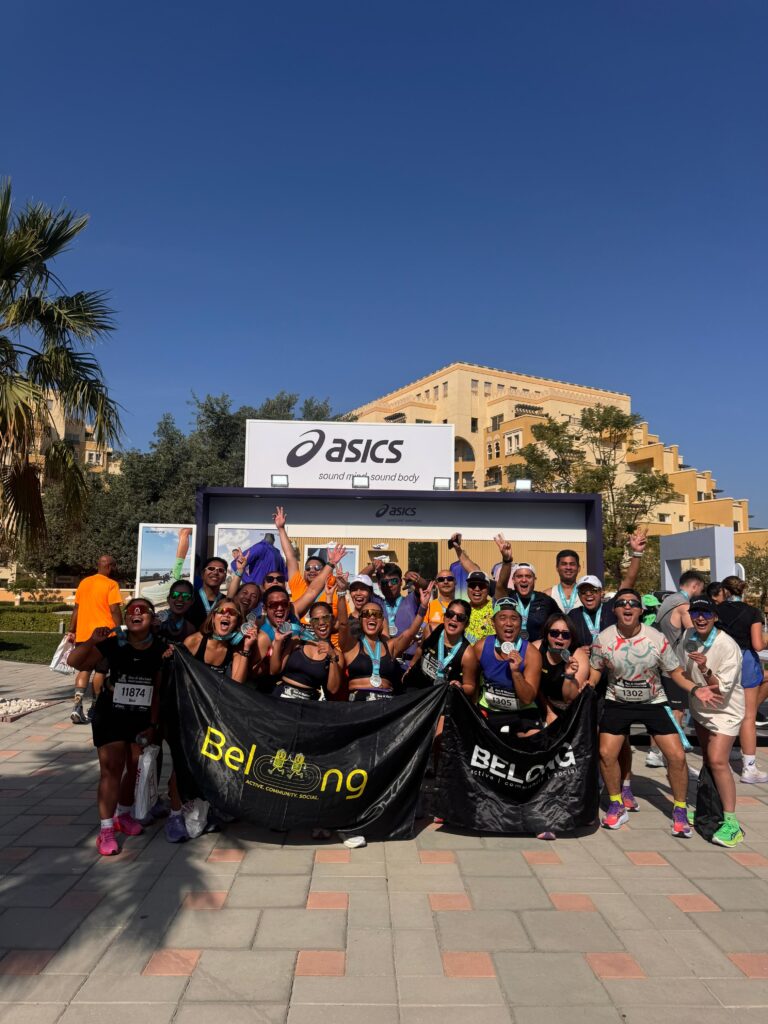
The turn came through a former coworker, who mentioned a friend in a running club and made an introduction over Instagram. That’s how Bryan found Belong DXB, a Dubai-based running community. He showed up to one of their social runs shy and unsure—he describes himself as a natural introvert who didn’t quite know how to talk to people.
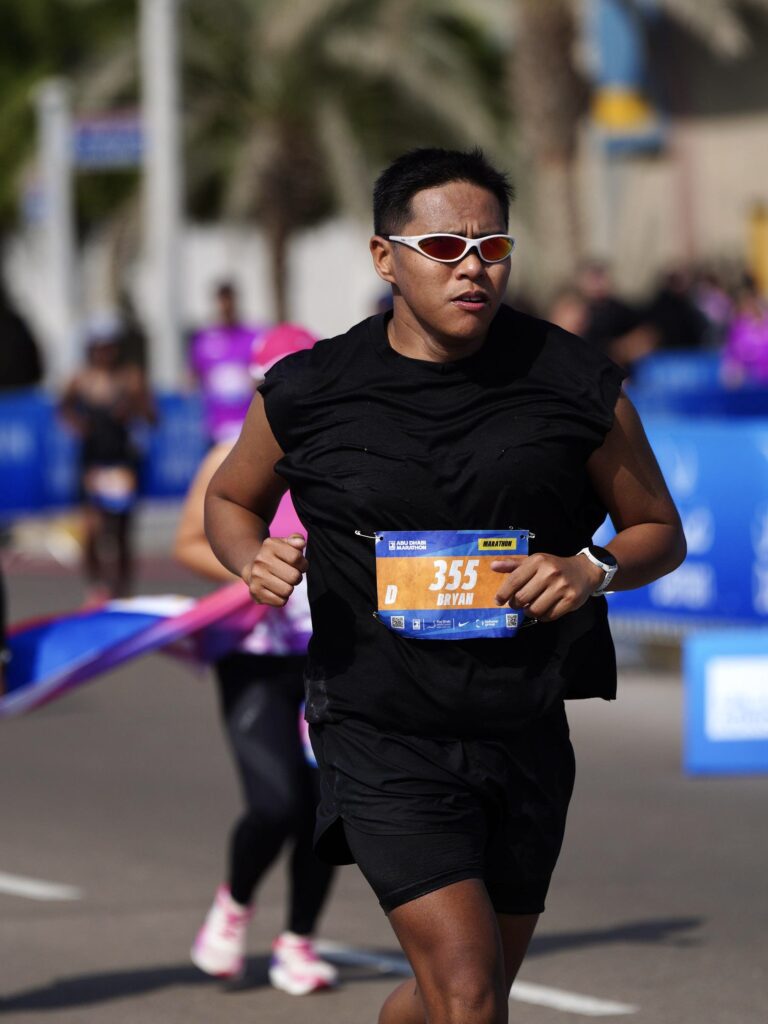
He kept coming back. The social runs became a fixture, then the training sessions and long runs, then fun runs and actual road races. Somewhere in that progression, the man who had known nothing about running committed himself to serious training and completed the Abu Dhabi Marathon 2025.
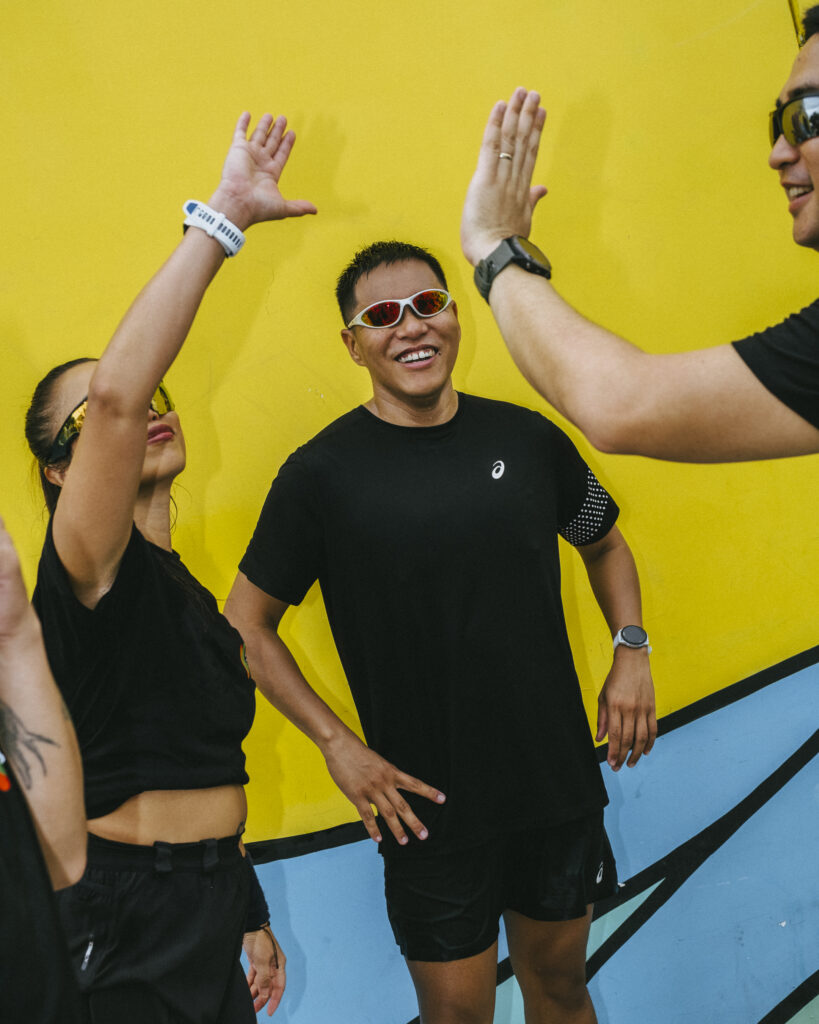
The weight came off—more than 30 kilograms of it. But that turned out to be almost beside the point. “Running gave me so much more than weight loss,” he says. “It helped me get through homesickness, build my confidence, and find a community that made Dubai feel like home. I made friends through running. Running is my therapy.”
The community became more than a source of friends; it became a role. Today he serves as Creative & Media Manager of Belong DXB, documenting events and producing the visual content that draws others toward the same active, connected life that pulled him out of his own low point. The two halves of him—the photographer and the runner—had found a way to work together.
A new chapter at HeySocial Studios
After two years and nine months in his first job, the photographer entered a new phase. He was hired as a Content Creator at HeySocial Studios, a creative agency in Dubai, where he now develops visual content for digital and social media campaigns.
The shift matters more than the title suggests. His corporate photography work in retail had grown routine—competent, steady, and largely predictable. The agency is a different climate entirely. “I’m surrounded by highly skilled and talented professionals, which motivates me to keep learning and improving,” he says. Every shoot is a chance to test new techniques and push his ideas further, and he clearly relishes the collaboration—watching a concept travel from a planning conversation to a finished piece. The most satisfying part, he says, is seeing the positive impact of the content he creates.
There’s a useful honesty in how he frames the move. The new role still connects to the work he’s always loved, but it pushes him past his comfort zone in a way the old one no longer did. Everything feels fresh, new, and exciting—the words of someone who deliberately chose the harder, less familiar path over the safe one.
What he wants to build next
Bryan doesn’t treat his time abroad as a destination. “I don’t see my journey abroad as the end goal—it’s just one chapter of my life,” he says. When he eventually returns to the Philippines, he wants to build something of his own in the creative industry and open doors for other aspiring creatives with the knowledge he’s gathered overseas. The specific dream is charming in its precision: as a coffee lover, he pictures a coffee shop paired with a photography studio.
The advocacy closest to him needs no business plan. He wants more people—especially Filipinos—to start moving, not to be fast or competitive, but because he knows firsthand what movement does for the mind. Running reshaped his life at 34, and he’s blunt about wanting others to feel that for themselves.
His advice to kababayans abroad carries the weight of someone who nearly gave up. “Don’t be too hard on yourself,” he says. “There were nights when I questioned my decision, missed my family, and felt completely alone. But those struggles taught me to become stronger and more independent.” Mental health, he insists, matters as much as any career. It’s okay to miss home, to cry, to have bad days.
And then the line that sounds like it comes straight from the man who lost 30 kilograms and found a second family on the pavement of a foreign city: “Sometimes the biggest opportunities come after the hardest setbacks, so don’t lose hope if things don’t go according to plan.”
