




The Philippine government is weighing whether to cut or suspend the 12 percent value-added tax on fuel, with senators signaling readiness to convene a special session if economic conditions demand it.

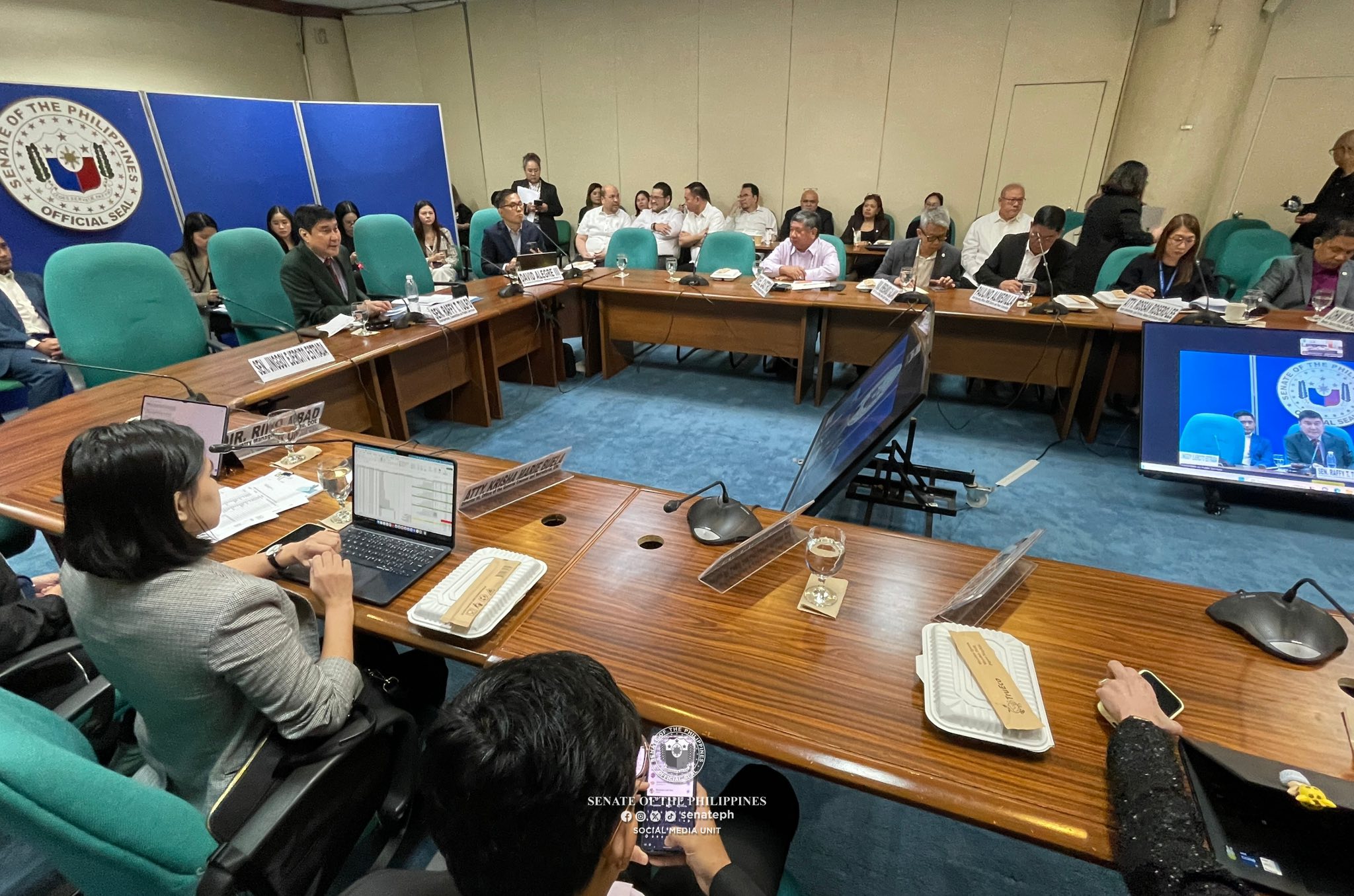
Sen. Bam Aquino, speaking during deliberations with energy officials, put the question directly: at P120 per liter, a 12 percent VAT translates to roughly P14 to P15 in savings per liter if suspended — a figure he called significant enough to warrant serious consideration.
“Napag-usapan na natin ‘yung VAT. It is 12 percent of the price of fuel at the gas station. Is that a possibility na i-suspend din natin ‘yung VAT? Kasi kung 12 percent ‘yan ng P120, eh ‘di ang laki niyan agad. That’s what, P14 to P15 right away,” Aquino said.
The senator added that the chamber had already moved swiftly on suspending fuel excise taxes and was prepared to act on VAT reform as well. He noted, however, that even if the Middle East conflict ended immediately, global fuel prices could take three to six months to stabilize.
“Let me tell you for the record na handa ang Senadong ipasa ang repormang ‘yan kung kinakailangan. We will, I think… go back and have a special session if needed if we need to do reforms on the VAT,” Aquino said.
The Department of Energy signaled a more cautious path. Undersecretary Felix Fuentebella said outright suspension of the VAT is complicated by how the tax moves through the fuel supply chain, making a rate reduction a more workable option than a full removal.

“It’s more of having a different rating; it’s not suspending because there’s a supply chain we have to note when we’re talking about VAT. Probably a zero rating or a lower rating for consideration of our economic managers,” Fuentebella explained.
Economic planners are urging restraint. Department of Economy, Planning, and Development Secretary Arsenio Balisacan acknowledged that lower fuel taxes would ease transport and inflation pressures, but cautioned that the resulting revenue losses could weigh on the country’s fiscal standing and credit rating.
“Regardless, it will cause the national economy to slow down even more. So that’s the issue. As we look into improving the fiscal resources support system, we can also identify potential sources of revenue so that we can mitigate the negative effects on overall spending,” Balisacan said.
The department proposed longer-term structural responses, including expanding the country’s energy mix to cover nuclear and renewable sources, securing supply chains, enforcing penalties against hoarding and profiteering, and maintaining targeted support for farmers and fisherfolk.
Balisacan also flagged a separate concern: a total ban on overseas Filipino worker deployments, if imposed, would sharply reduce remittances and drag further on economic growth.
President Ferdinand Marcos Jr. declared a state of national energy emergency on March 24, valid for up to one year, and ordered the rollout of a Unified Package for Livelihoods, Industry, Food, and Transport to support affected sectors.
