





Thirty years away from home, and the longing never really goes away.

John Saavedra knows that feeling well — but somewhere along the way, the longing stopped being a weight and started being a compass. Now 40, the Arizona-based educator, journalist, podcast host, and event emcee has built a life that looks, from the outside, like it belongs to several different people. To him, it’s just one — and it’s still unfolding.
Starting over, more than once
John left the Philippines early. He spent his elementary years there, absorbing the language — both Kapampangan and Tagalog — the culture, and a set of values he would carry across every border that followed. By the time he finished college, he was already pointing himself outward, eventually landing in Guam to begin his teaching career.
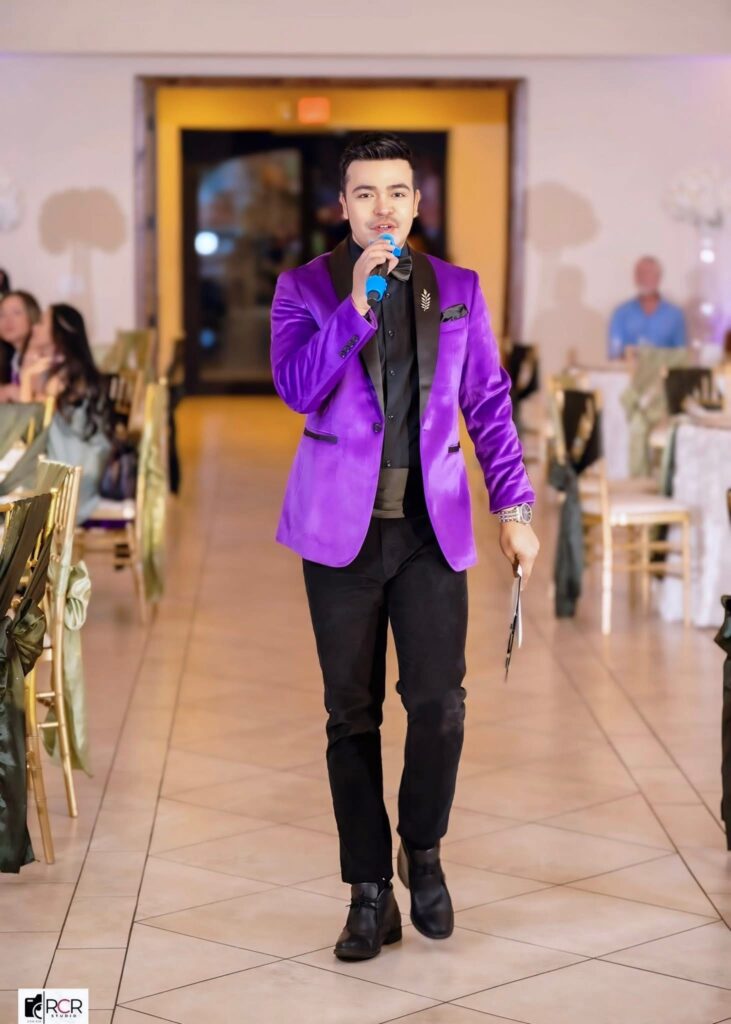
It was not a glamorous start. “I had to start from the bottom, build connections from scratch, and adjust to unfamiliar environments,” he recalls. “There were moments when I found myself in a new place with no friends, living in an empty space, and not knowing what to expect next.”
He stayed anyway. He taught in Guam for nearly a decade, building what he describes as a strong foundation in education and student development. Then came another move — this time to Arizona — and the cycle repeated: new city, new schools, new community, same quiet determination.
That willingness to begin again, more than once, is perhaps what defines him most. Not the credentials — though they are considerable — but the comfort with uncertainty, the ability to treat displacement as a starting point rather than a setback.
The man behind the many hats
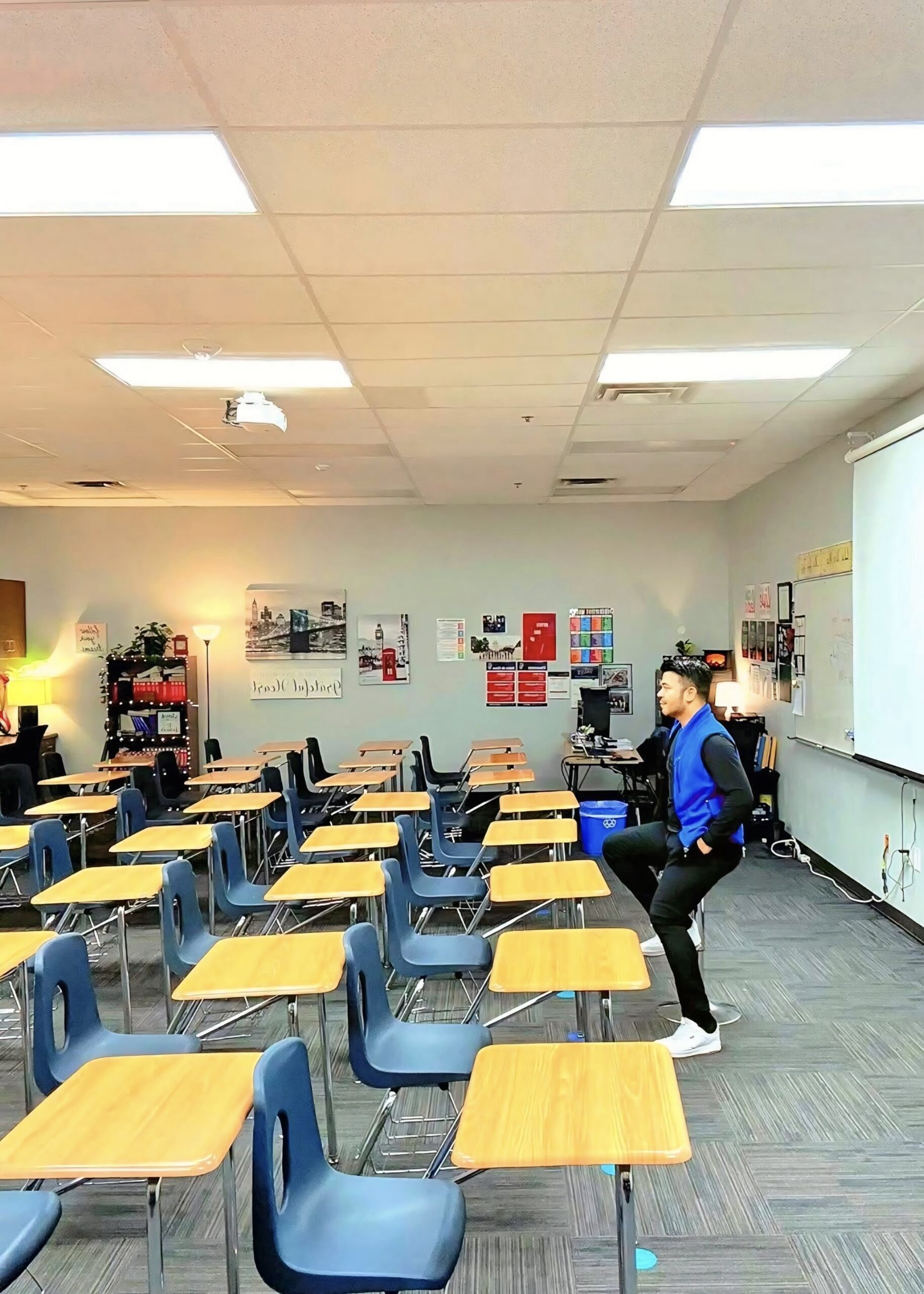
Today, John teaches English and writing at the secondary level at Legacy Glendale School in Arizona, where his responsibilities extend well beyond the standard classroom. He is also a TED Ed Talk leader, coaching students to develop and deliver talks with genuine impact. Outside school hours, he works as a U.S. correspondent for ABS-CBN News, reporting on the lives and contributions of Filipinos and Filipino Americans. He hosts community events across the state, runs a travel vlog, and produces The Unlimited John — a podcast on Facebook and YouTube that features everyone from Philippine celebrities to Filipino American professionals sharing stories of perseverance.

He is also a doctoral candidate at Capella University, with his degree expected to be completed next year.
The question of how one person manages all of this tends to produce, from John, a fairly direct answer. “I believe life is too short to limit yourself,” he says. “The sky is the limit, as they say. I always encourage everyone to follow their dreams, go where their hearts desire, and live a life that is truly unlimited.”

It could read as a personal branding line. Coming from someone who has been quietly living it for three decades, it lands differently.
Stories as service
What threads all of John’s work together is an underlying conviction that stories matter — and that Filipino stories, in particular, deserve to be told with care. His ABS-CBN correspondence and podcast are not just professional extensions of his media work; they are, in his framing, an act of community. A way of staying connected to a country he left young, through the people who carry it with them wherever they go.
“As a media personality and journalist, the more stories I share, the more I understand my heritage and who I am as a Filipino,” he says. “Each story deepens my connection to our identity and reminds me of the resilience, talent, and heart of our people.”
He was Mr. Philippines Guam 2005 — a detail that might seem incongruous alongside his academic and media work, but which he frames as a beginning rather than a footnote. It gave him an early platform, and a responsibility he has continued to take seriously. “From that moment on, I have continued to carry that responsibility by serving and representing Filipinos in various ways — whether through education, community involvement, storytelling, and media.”
His advice to fellow Filipinos navigating life abroad is grounded in that same philosophy. Not the aspirational kind that papers over hard realities, but the kind forged from experience with empty apartments and fresh starts. “Real success is not meaningful without challenges,” he says. “The struggles you face along the way are what shape you, strengthen your character, and prepare you for greater opportunities.” He also adds something that tends to get left out of the typical OFW narrative: “Enjoy the journey. Every step, even the difficult ones, contributes to your story.”
What comes next
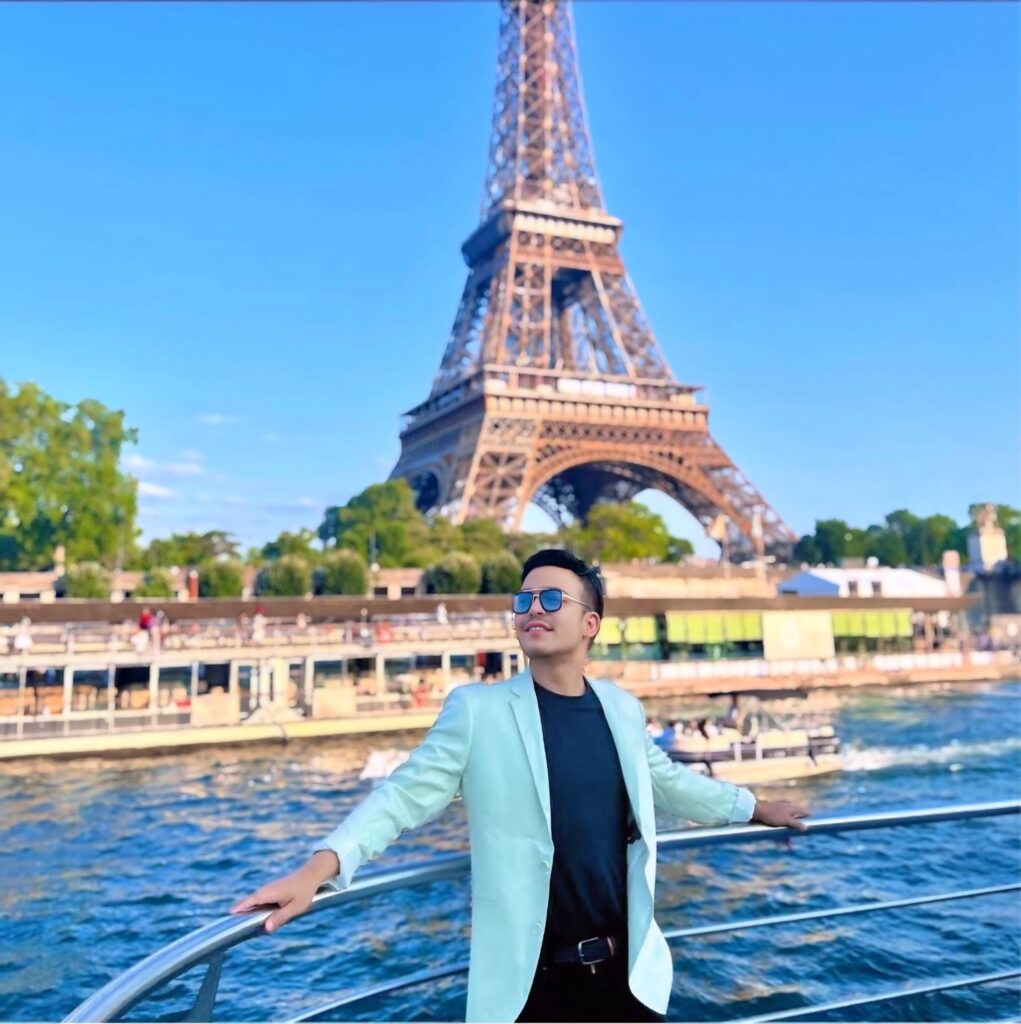
John is clear about where he is headed. Once he completes his doctorate, he intends to teach at the college level, mentoring future educators in critical thinking, writing, and communication. Beyond the classroom, he wants to pursue a more active role as a broadcaster and journalist in the Philippines — bringing the skills and perspective he has accumulated across 30 years back to the country where they were first shaped.
“I plan to return and share my knowledge, skills, and experience as an educator in my hometown,” he says, “giving back to the community that shaped me.”
It’s a plan that has been forming for a long time, quietly, beneath the surface of a career that has never stood still. Thirty years is a long arc. But for John, the story is still in the middle — and by all indications, the best chapters are the ones still being written.
