




The Bangko Sentral ng Pilipinas recorded a historic USD35.63 billion in cash remittances during 2025, a 3.3 percent climb from the USD34.49 billion logged the previous year. That flow of money from Filipinos working overseas is now at the center of a renewed legislative push in the Senate.

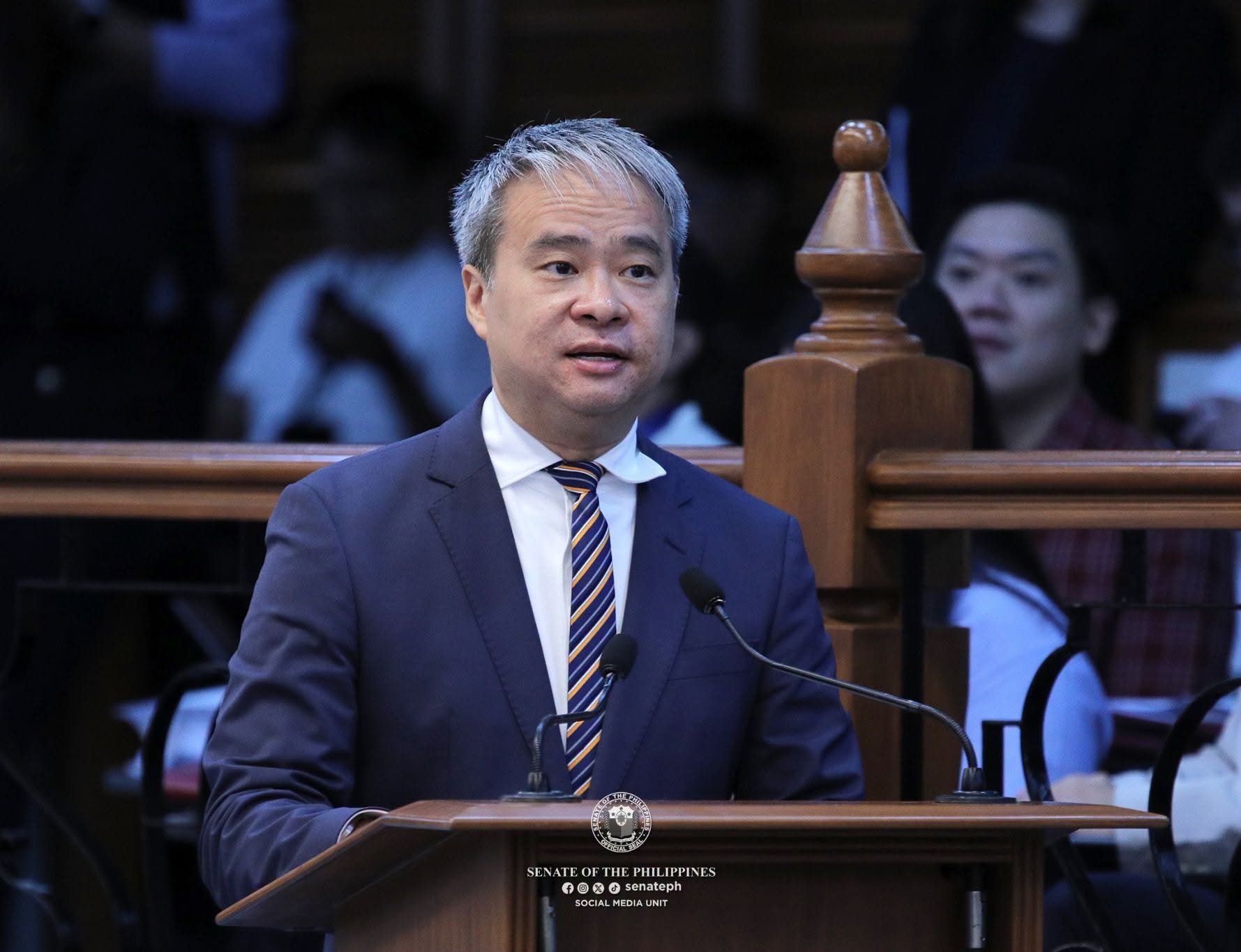
Sen. Joel Villanueva said Thursday that the Department of Finance’s effort to bring down the cost of sending money home strengthens the argument for signing Senate Bill No. 1917 into law. Known as the OFWs Remittance Protection Act, the measure cleared its third and final reading in the chamber on March 16, alongside separate proposals covering the welfare of migrant workers and their families.
“We strongly support the initiative of the Department of Finance to find ways to reduce the remittance fees of our OFWs,” Villanueva said. He added that the agency’s position provides momentum for the bill’s enactment.
As principal author and sponsor, Villanueva explained that the legislation would compel remittance firms to spell out every charge and exchange rate applied to a transaction, closing off room for excessive deductions. The proposal further bars companies from imposing abrupt or one-sided fee increases, requires that stakeholders be consulted before any adjustment takes effect, and sets penalties for those who break the rules.

“The OFW Remittance Protection bill is about fairness. It ensures that the hard-earned money of our modern-day heroes is protected through transparent remittance costs, stronger consumer safeguards, and greater accountability from financial service providers,” Villanueva said.
Finance Secretary Frederick Go has framed the cost as a real drain on migrant earnings, pointing out that charges can consume roughly 6 to 10 percent of what workers send back. The World Bank’s Remittance Prices Worldwide monitor places the global average at 6.36 percent of the amount transferred.
Villanueva argued that the country’s economic health rests heavily on its overseas workforce. “Our OFWs keep the Philippine economy robust. They deserve a system that values their sacrifices by making every remittance secure, affordable, and accessible,” he said.
Central bank figures showed personal remittances climbed to USD3.04 billion in April 2026, with inflows from January through April continuing their upward trend despite the broader global economic climate.
