




Crude oil trading above the $100 mark for the first time since May has become the central pressure point weighing on emerging market currencies, and the Philippine peso absorbed much of that impact on Friday. Reuters reported the price breakout followed Houthi strikes on two Saudi tankers in the Red Sea, creating a second chokepoint for global shipping as hostilities between Washington and Tehran intensified.

Fitch Solutions unit BMI had flagged the risk in the week prior, projecting that the peso would stay boxed within P61 to P63 against the dollar. The firm pointed to three converging factors: the fresh escalation in the Middle East, a firm US dollar, and the seasonal climb in import demand heading into the year’s final stretch.
“Renewed gains in global energy prices will further weigh on the peso by pushing up the import bill and widening the trade deficit. Recent data already reflect this impact,” BMI said.
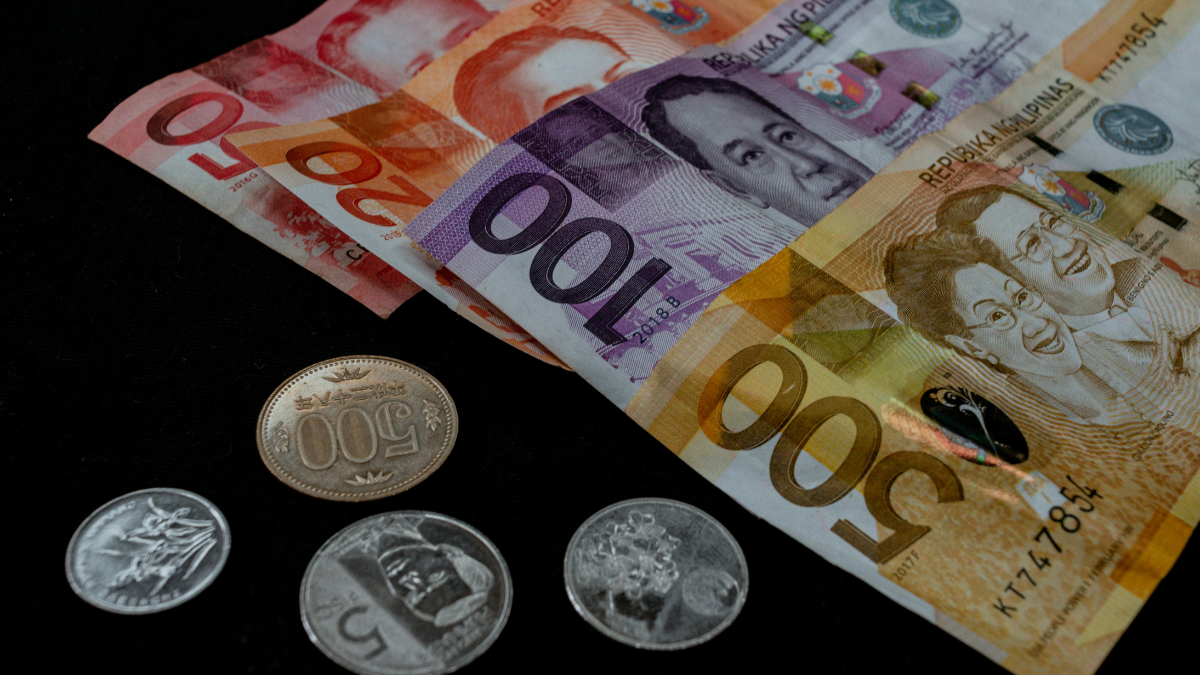
The currency finished the session at P61.847 to the dollar, shaving 9.7 centavos off Thursday’s close, which had itself been a record. Trading opened at P61.8, with the weakest intraday print hitting P61.85.
Reyes Tacandong & Co. Senior Adviser Jonathan Ravelas attributed the move to energy costs feeding back into inflation expectations.

“(T)he greenback was steady on rising crude oil prices as US and Iranian attacks escalated, renewing inflation concerns,” he said in a mobile message. He sees the peso trading between 61.90 and 62.10 in the near term.
Capital Economics Chief Markets Economist Jonas Goltermann said in an emailed commentary that the energy rally is spilling into asset classes well outside fixed income.
“While central banks continue to take a measured approach to the renewed surge in energy prices, there is still plenty of scope for the turbulence in markets to ratchet higher if the US-Iran conflict continues to escalate,” he said.
Secretary of State Marco Rubio has signaled no easing of American pressure, saying Washington will keep it up until Tehran abandons its nuclear weapons ambitions and honors whatever agreements it signs.
