



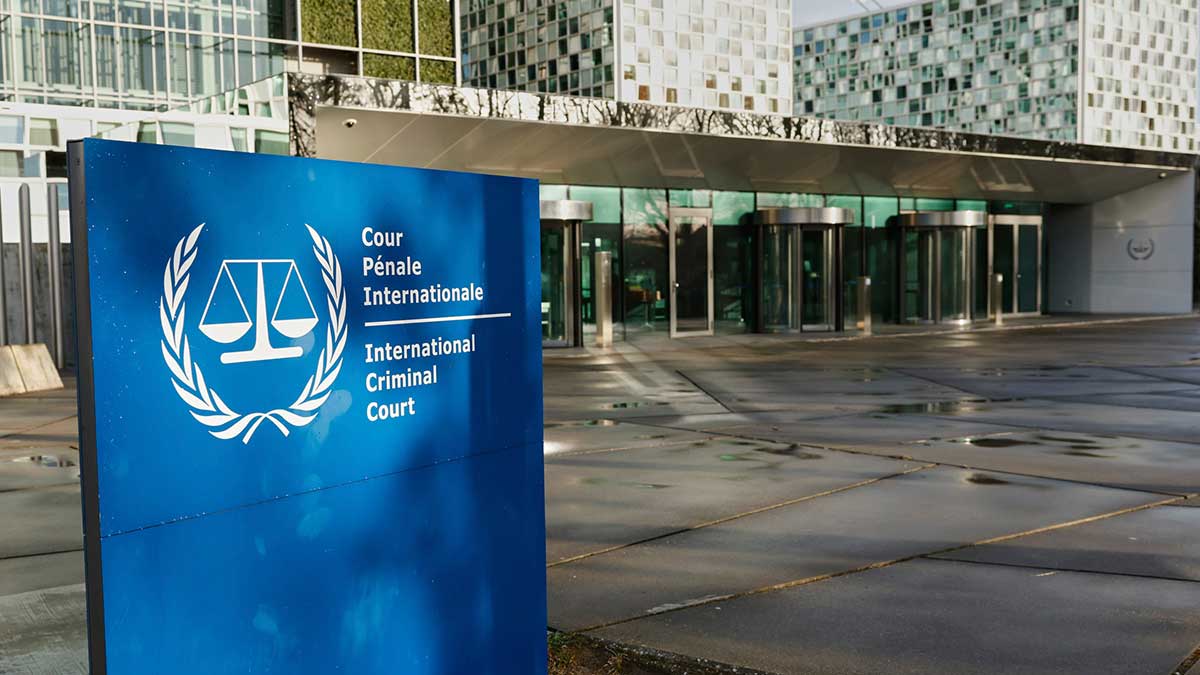

A formal declaration that no American will be handed over to the International Criminal Court under any circumstances anchors a letter the US Justice Department made public on July 2, laying out Washington’s refusal to engage with the tribunal on any matter touching US citizens.

The document was written by Acting Attorney General Todd Blanche and sent to the court’s president, Judge Tomoko Akane, in The Hague. Dated June 29, it states that the United States will disregard any investigation, inquiry, summons, or proceeding the ICC opens involving Americans, and that Washington will actively work against any foreign government that tries to extradite or transfer a US citizen to the court.
Blanche did not limit himself to procedural objections. He characterized the tribunal as having “acted in an increasingly lawless and illegitimate manner,” and wrote that its “record of selective enforcement and credible allegations of internal misconduct raise serious doubts about the ICC’s impartiality, credibility, and legitimacy.”
The legal reasoning rests on a consent argument: because the United States never ratified the Rome Statute, the treaty establishing the court, it never agreed to be bound by it. On that basis, the letter holds that the ICC cannot claim authority over Americans anywhere on the globe, and that any effort to do so is unlawful.
Washington’s stance also draws on a specific 2002 statute, the American Servicemembers’ Protection Act, which denies the court jurisdiction over US troops, officials, and civilians, blocks American cooperation with the tribunal, and empowers the president to take whatever steps are necessary to secure the release of any American held under an ICC warrant. Critics of that law have long referred to it by the nickname the “Hague Invasion Act,” a detail noted by IBTimes UK.

Blanche extended the objection beyond US citizens, writing that Washington “unequivocally opposes” and expects its allies to oppose any ICC action against the United States, Israel, or any other American ally that has not accepted the court’s authority. That passage lands at a moment when arrest warrants tied to the conflict between Israel and Hamas remain in force.
Legal scholars questioned how much the letter actually changes. Jennifer Trahan, a clinical professor at New York University’s Center for Global Affairs, told Newsweek that the US has denied the court’s reach over its nationals for years, so the message itself breaks little new ground even if putting it in a letter is novel. She raised a complication: Congress has passed legislation permitting American cooperation with the ICC specifically on investigating Russian conduct in Ukraine. “I don’t know that a letter can undo legislation,” she said, framing the correspondence instead as a firm pledge to withhold help.
The court’s own position runs directly counter to the US argument. It maintains that crimes committed on the soil of a member state can fall within its reach no matter what passport the accused holds — a view that keeps American military personnel, government employees, and contractors deployed in overseas conflict zones theoretically exposed. More than 100 countries have joined the Rome Statute; the United States, Russia, and China have all stayed out.
The letter emerged during the same week that three ICC judges filed suit against the Trump administration in a Manhattan federal court, challenging sanctions imposed on court personnel as an attempt to punish and pressure the tribunal for doing its work.
