




A federal highway stretching roughly 68 kilometres and a multi-route bus network connecting three emirates were among the infrastructure proposals examined at the UAE Infrastructure and Housing Council’s opening meeting of the year.

The council, chaired by Minister of Energy and Infrastructure Suhail Mohamed Al Mazrouei, took stock of the Fourth Federal Corridor — a road project estimated at AED6 billion that would add a fourth pan-emirate highway to the country’s existing network of major federal routes: the E11, E311 and E611.
The planned corridor would carry six to eight lanes in each direction, incorporate 10 major intersections and four flyovers, and is intended to improve the movement of people and freight between the emirates. Officials discussed updated alignment options and coordination with local authorities to ensure the project fits within broader development frameworks.

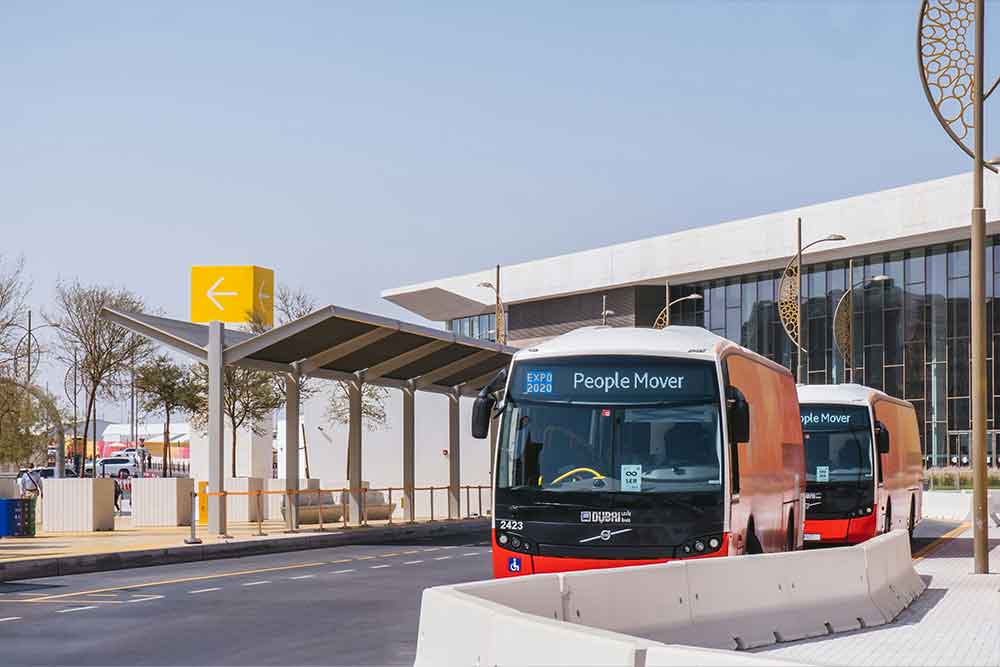
Separately, the council reviewed a public transport proposal targeting the heavily used commuter corridor shared by Dubai, Sharjah and Ajman. The plan calls for 10 key routes supported by Bus Rapid Transit systems and dedicated lanes, with connections to metro stations and city centres. Authorities said the initiative is designed to improve commute times and reduce dependence on private vehicles across some of the country’s most densely populated areas. Efforts are also underway to strengthen Ajman’s links to the Third and Fourth Federal Corridors.
Vehicle ownership policy also featured on the agenda. Al Mazrouei had previously told the Federal National Council that car ownership growth in Dubai had reached more than 8 per cent — well above the global average of around 2 per cent. Proposed responses include developing new roadways, improving inter-emirate corridors and expanding mass transit options.
Officials also examined lessons drawn from recent weather-related disruptions, with an eye toward improving emergency preparedness and maintaining road safety during such events.
