



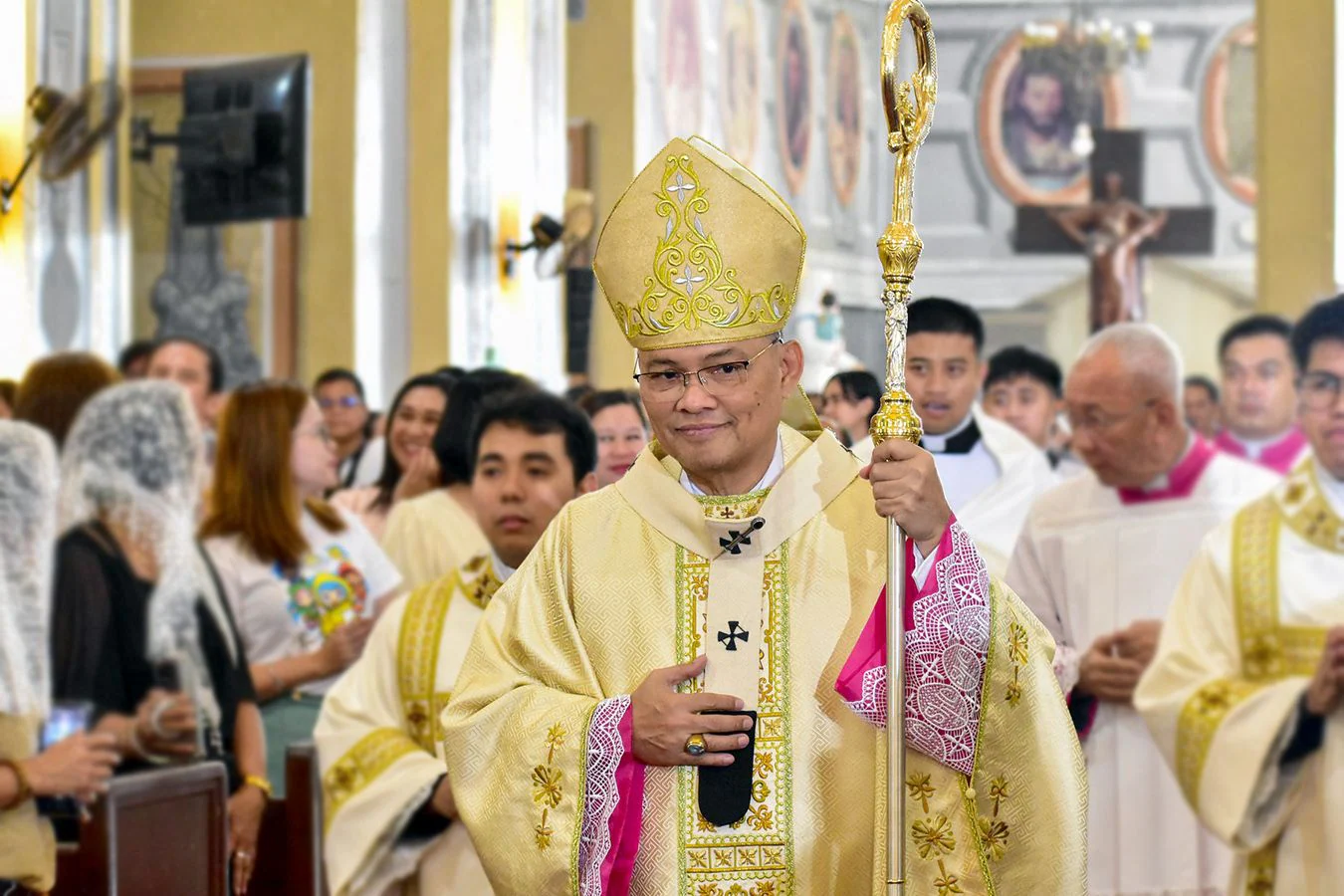

With the 2028 presidential elections still years away, the head of the Catholic Bishops’ Conference of the Philippines is already sounding the alarm — saying the Church cannot afford to wait before shaping how Filipinos will choose their next leaders.

CBCP president and Lipa Archbishop Gilbert Garcera made the call during the 13th National Convention of the Knights of Columbus held in Davao City, urging the organization’s more than 600,000 members across the Philippines to take an active role in building civic awareness and electoral conscience among Catholic communities.
Central to his appeal was a framework already being championed by Lingayen-Dagupan Archbishop Socrates Villegas — the “Katipunan for Good Governance” — which Garcera wants the Knights to formally adopt and implement at the council level.
“I urge our regional officers to take the initiative in contacting Archbishop Soc Villegas to implement the Katipunan for Good Governance program across our councils. By integrating his guidance and this strategic framework, we can align our fraternal values with civic responsibility and move from traditional charity toward systemic social contribution,” he said.
Garcera framed the initiative not merely as a political exercise but as a moral one, rooted in the idea that institutional reform begins with personal transformation.

“If we want to change society, it must begin within us. No reform will succeed without a change of heart,” he said.
He described the role of the Knights not as passive supporters of Church positions but as active civic agents whose faith obligates them to engage with governance directly.
“My dear brother Knights, to be a Herald of Hope is not a slogan – it is a vocation. It is a call to conversion: a change of mindset, a renewal of the family and a commitment to good governance. Through this program, the Knights of Columbus can lead by example, proving that faith and good governance are inseparable in the quest for a better Philippines,” Garcera stressed.
Beyond electoral preparation, the archbishop pointed to a range of pressures bearing down on Filipino families — among them economic hardship, migration, digital distraction, fractured relationships, and declining religious practice within households. He called on Church leaders to move closer to communities at the grassroots level, including visiting municipalities to scrutinize local resolutions that may conflict with Catholic positions on life and the family.
