
Most overseas Filipino success stories begin with a single, stubborn decision to leave. But some begin earlier than that — with a kid who had no money, no safety net, and only a mother’s faith to lean on.

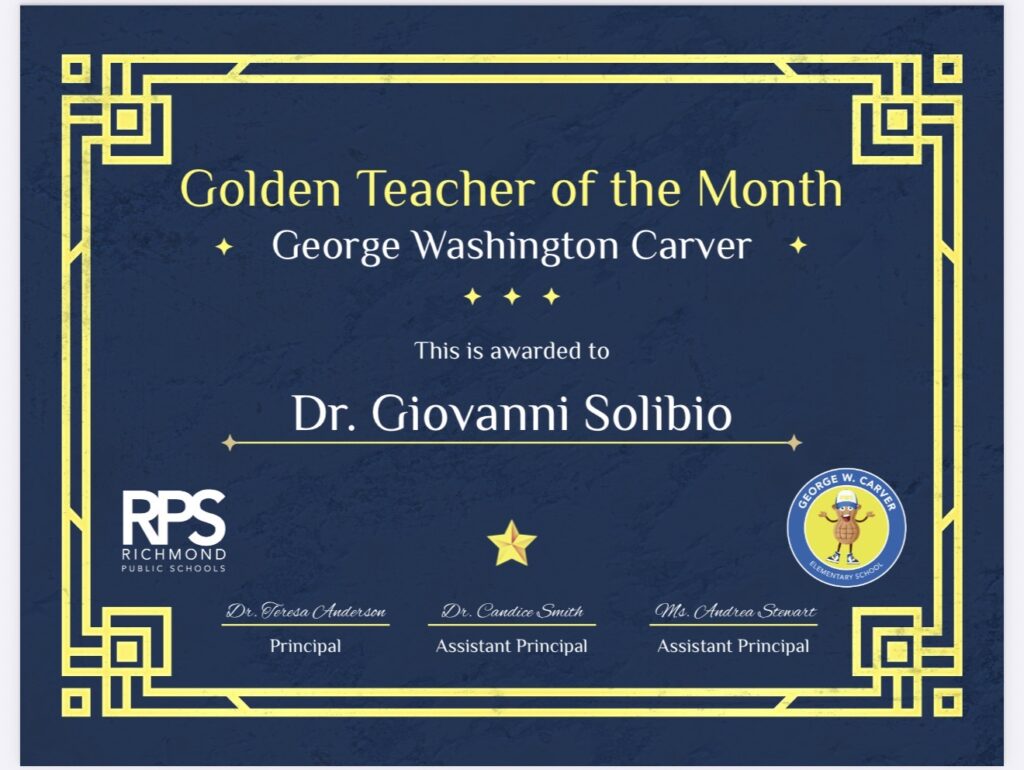
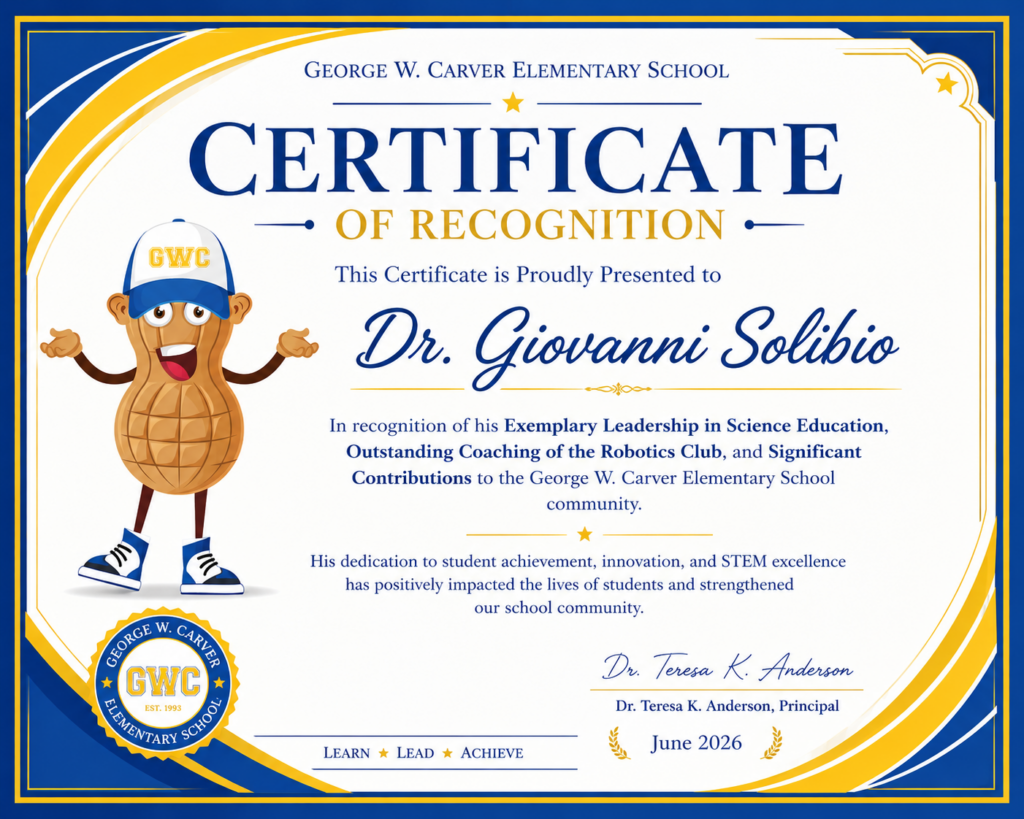
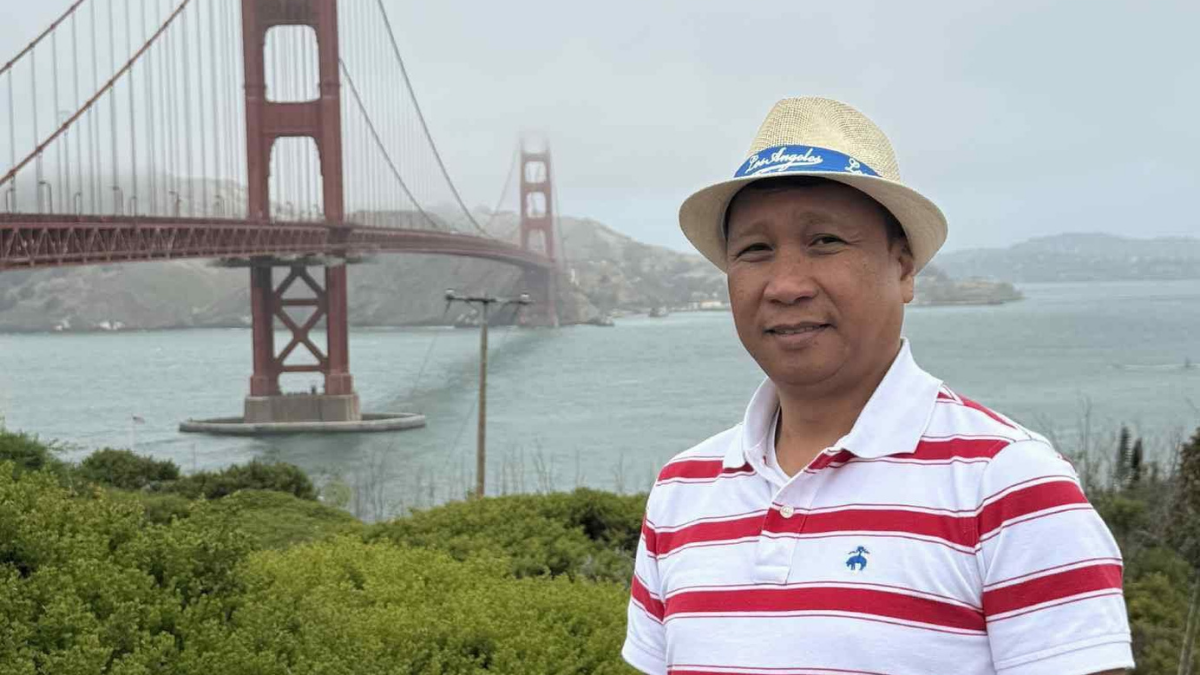
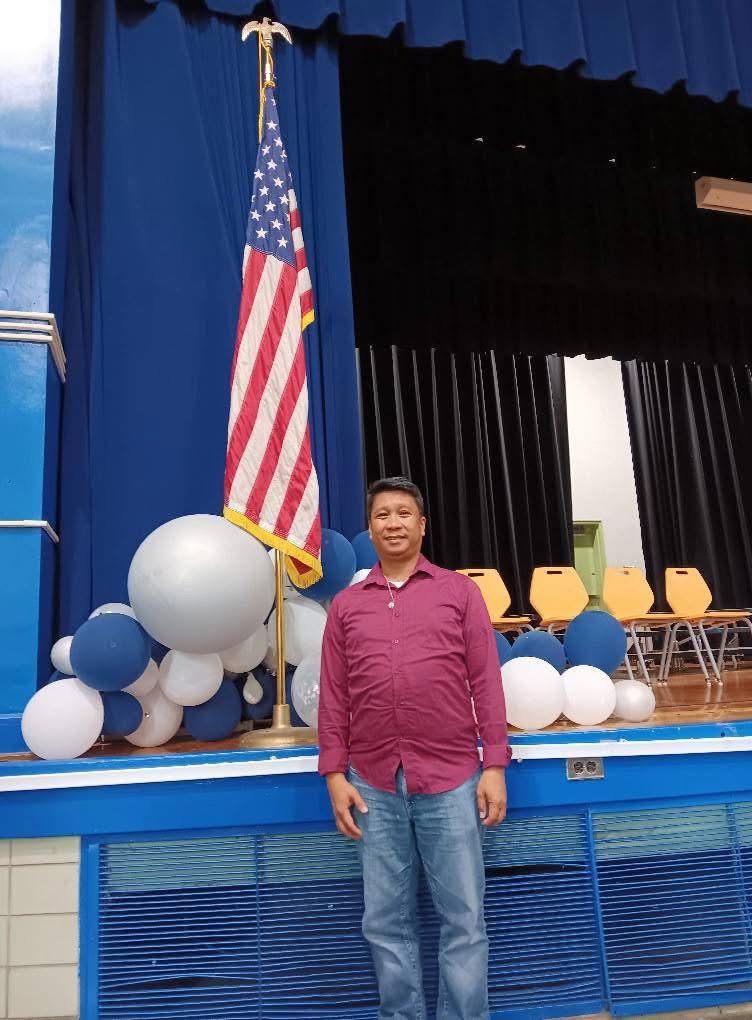
That kid was Giovanni A. Solibio, now 49, a STEM teacher at George W. Carver Elementary School in Richmond, Virginia. Today he coaches robotics, leads science programs, and was named his school’s “Golden Peanut of the Month.” But the path that carried him from Bago City, Negros Occidental, to an American classroom was built almost entirely out of scholarships and refusal to quit.

Survival before ambition
Long before any talk of teaching abroad, the question was simpler: how does a family get by? Giovanni grew up supported by a single mother who, in his words, “stood with us against all odds in life.” Family survival, he says plainly, “was the dilemma.”
The turn came after high school. An academic scholarship from Japan’s OISCA Tomonokai Group put him through his bachelor’s degree. A second grant — from Germany, coursed through the University of St. La Salle in Bacolod — followed. Then Japan again, this time funding the doctorate he would finish, by his account, with High Honors. “With these,” he reflects, “life goes on with lots of opportunities and offers to soar high in academics and work.”

Building a record at home
Before America, there was a long career in the Philippine Department of Education, where Giovanni rose to Master Teacher II and made his name in research and mentorship. He advised science investigatory projects and served as a resource speaker at international research conferences — in Bali in 2018, and in France the following year. His work travelled even when he didn’t expect it to: a physical science paper, he notes, was recognized as best paper in Quebec City.
A pandemic-era leap
The move abroad came, fittingly, during one of the hardest stretches in recent memory. While the world locked down, the longtime educator applied through a Teach to USA program and drew offers from Florida, Maryland, and Virginia. He chose Virginia, and three years on, he’s taken on a science lead and robotics coaching role on top of teaching.
He’s candid that it hasn’t been seamless — “cultural diversity and classroom management and learning styles” sit at the top of his list of challenges, eased only by continuous professional development and school support. His advice to Filipinos eyeing the same leap is unfussy: “Keep on believing in yourself,” he says, and “you can survive and get your SUCCESS at the end of the line.”