



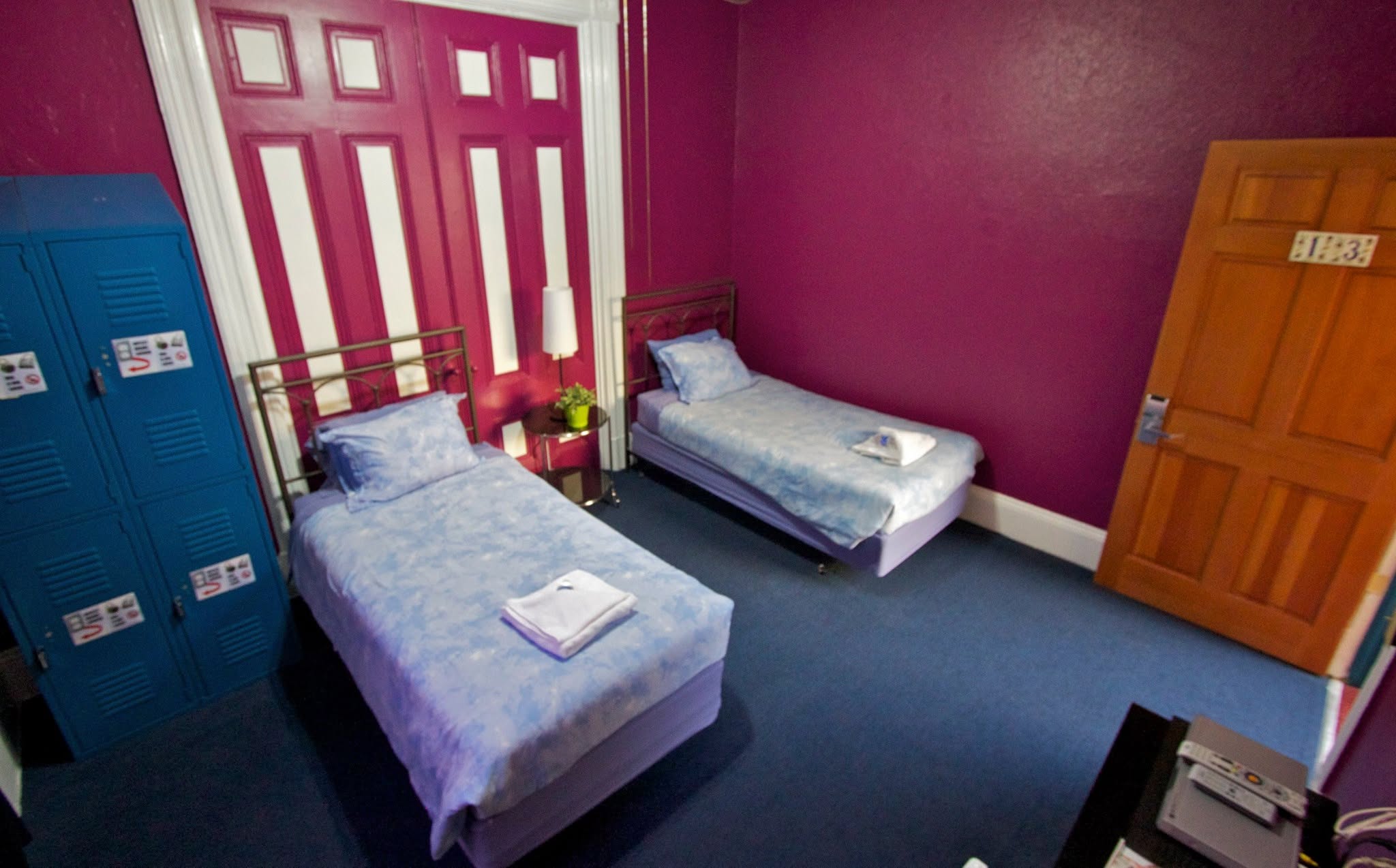

Shared housing units in Dubai will soon be measured against their own rental benchmark, a feature written into the emirate’s newly issued law governing this part of the property market.

Responsibility for creating the index and revising it at regular intervals falls to the Dubai Land Department (DLD), based on Practical Guidance that LexisNexis Middle East released regarding the law, formally known as Dubai Law No. 4 of 2026. First made public in March, the legislation is set to become enforceable at the close of August.
According to the guidance note, the benchmark will factor in the technical attributes and service features of each shared housing unit. What remains unstated is the launch date, the method for calculating rents, and whether pricing will be gauged per unit, per room, per bed space, or by the floor area assigned to each occupant.
A separate benchmark already exists in Dubai and functions as the official reference point for how much landlords may raise rents when tenants renew. The fresh legislation carves out a version built specifically for properties holding shared housing licenses.
Commentary from Mitchell’s Commercial Real Estate suggested the change might bring more uniform pricing throughout the sector, curb ad hoc rent-setting, and lift transparency. The consultancy noted that landlords would find fewer openings to push steep prices through informal setups, though they would gain steadier rental returns and tighter alignment with prevailing market rates.
Standardized templates for tenancy and management contracts covering shared housing will also be drawn up by the DLD and posted on its website, the LexisNexis note said. Each contract has to capture essential details such as who owns the property, how many people will live there, particulars about the unit itself, and the portion set aside for shared living.

An electronic Shared Housing Register, holding records of sanctioned units, tenancy agreements, and residents, will sit under the department’s management. That register is to connect with a single digital permit platform run by Dubai Municipality.
The law bars anyone, individual or company, from earmarking a property for shared housing without securing a permit beforehand. Most permits will run for a year and can be renewed for equivalent stretches, though owners have the option to seek a two-year term. Renewal requests need to reach authorities no later than 30 days ahead of expiry.
Dubai Municipality indicated that applications will move through its digital channels once the governing procedures and criteria are made public. Clearance will follow only after officials verify that a property satisfies planning, construction, health, fire, sanitation, security, and electrical safety standards. Also weighed will be the ceiling on occupants, the minimum room each resident must have, and whether shared amenities are provided.
Operators already running shared housing arrangements get a year to align their properties and practices with the rules, with the Director-General of Dubai Municipality empowered to grant a single extension should circumstances call for it.
Financial penalties for breaches span AED 500 to AED 500,000. Should an operator offend again inside a 12-month window, the penalty can climb to twice the initial amount, reaching as high as AED 1 million.
