



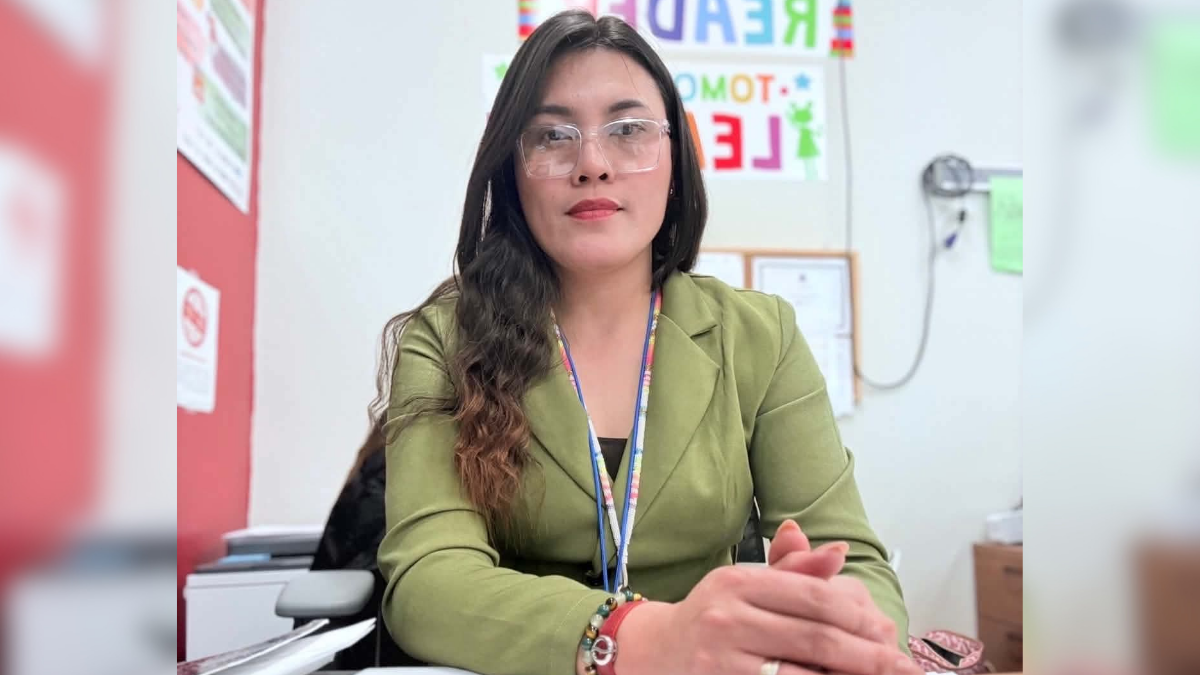

Every teacher remembers the student nobody else wanted in their classroom — the loud one, the difficult one, the one whose file arrives before they do, thick with warnings. Rosalie Baybayon Capillo built a nineteen-year career on the conviction that those students are not problems to manage but stories waiting to be understood. At 40, now teaching English Language Arts in Gallup, New Mexico, she has watched the supposedly impossible kids bloom in her room again and again, and she has a theory about why.

“The students others may describe as difficult, loud, or challenging are often the same students who flourish in my classroom because they feel respected and heard,” she shares with TGFM. “I always try to understand the story behind the behavior.”
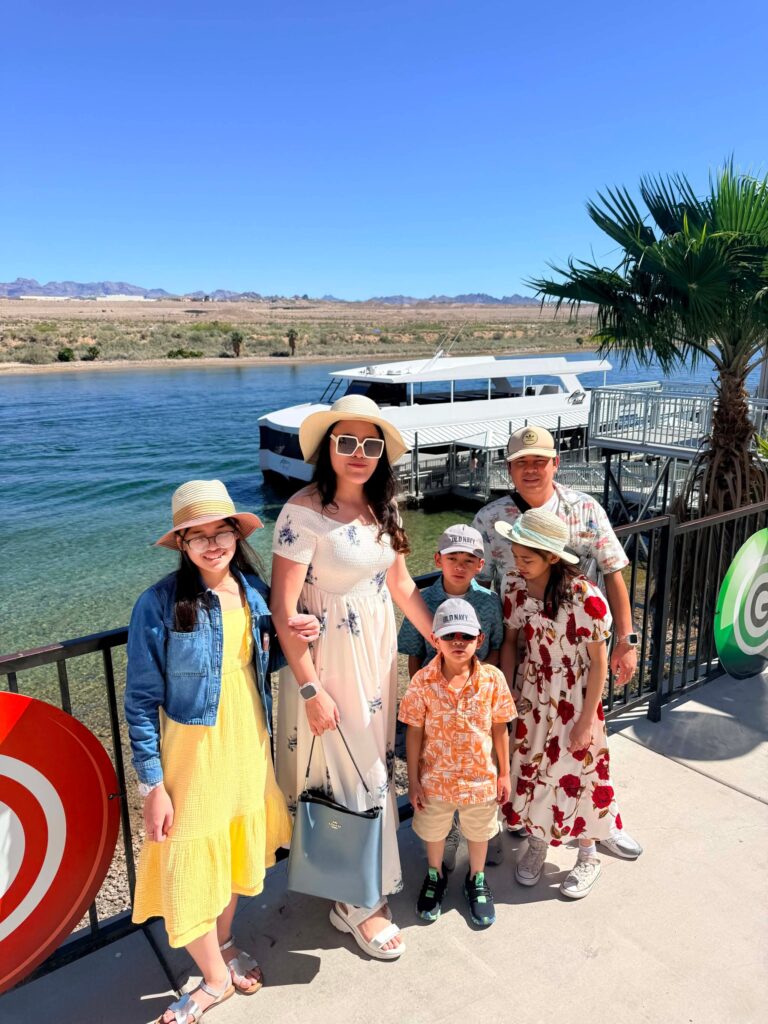
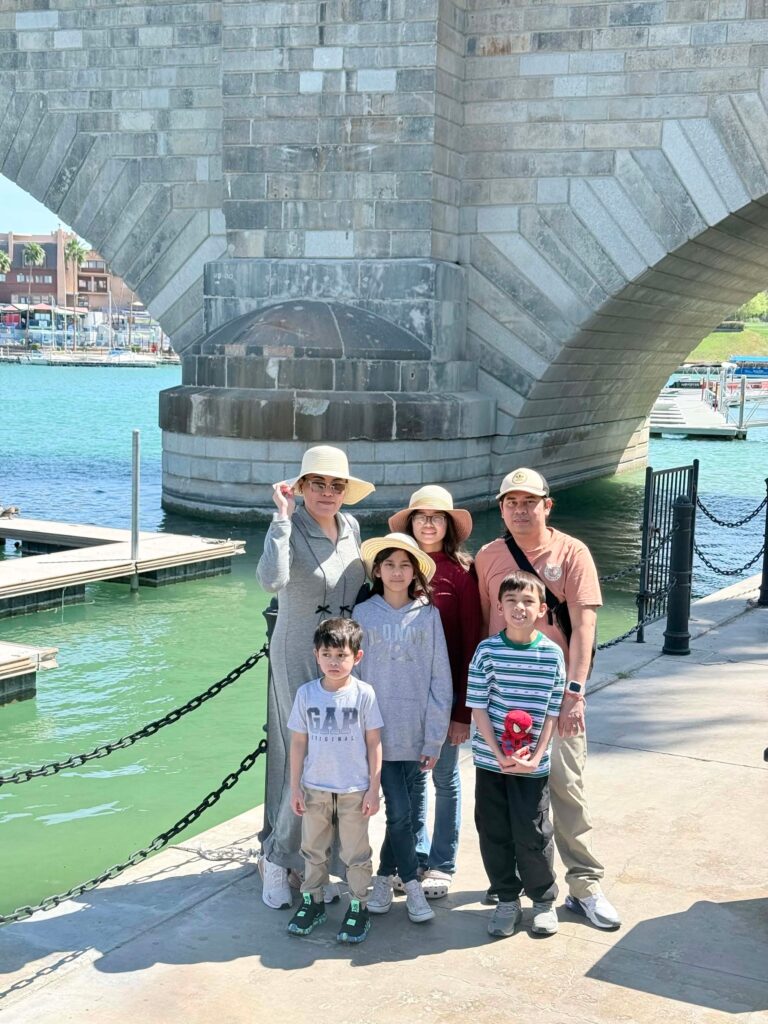
It is a deceptively simple philosophy, and it explains a great deal about how a Malabon public-school teacher ended up coordinating testing and after-school programs in the American Southwest — and why, four years in, she is still here.
A calling she didn’t choose
Capillo is quick to admit that teaching was not the dream she started with. “Although teaching was not originally my first dream, life led me to this path, and I eventually understood why,” she says. What began as an unplanned direction hardened, over time, into something closer to conviction. “Education is more than just a profession for me — it is a calling.”
Her early years in the Philippines read like a catalogue of a teacher quietly being trusted with more than her experience suggested she could handle. One of her first meaningful posts was with the Alternative Learning System at St. Mary Academy, where her students ranged in age from 16 to 64 — adults who had abandoned school for work, family, or sheer lack of opportunity and were now, against their own embarrassment, trying again. “Some of them were shy because of their age, but seeing them slowly regain confidence made me realize how powerful education really is,” she recalls. That early classroom seems to have set the template for everything after it: education as a second chance, the teacher as the person willing to wait for it.
When she moved into the public-school system, the responsibilities arrived faster than her confidence did. In her first year she was tapped to help develop Strategic Intervention Materials for struggling students — a vote of confidence she did not feel ready for. “It taught me that struggling students do not need judgment — they need teachers who are willing to meet them where they are,” she says. Later came a turn as a Regional-Level K-12 Pilot Demonstration Teacher for the City Schools Division of Malabon, performing in front of rooms full of supervisors and fellow educators during the program’s rollout. She remembers the nerves vividly, and also what the experience taught her: that “ordinary teachers can also contribute to big changes in education.”
There was research advocacy with the Tambobong Research Journal, an International Research Convention, a stint as Testing Coordinator building tables of specifications and standardized exams, daily reading exercises she designed herself, and a turn as English Team Leader. But the work that seems to have marked her most deeply was the least glamorous. As part of the first batch of DepEd’s “Sugod Bahay Team,” she went house to house, tracking down students who had given up on returning to school. “We listened to families, talked to parents, and encouraged students to continue studying,” she says. “It showed me that many children silently carry burdens that adults do not see in the classroom.” It is a line that could serve as the thesis of her entire career.
The loss that opened a door
For most of her life, Capillo never pictured herself leaving the Philippines. “I always thought my life and purpose would remain in the Philippines,” she says. The decision to go came not from ambition but from grief.
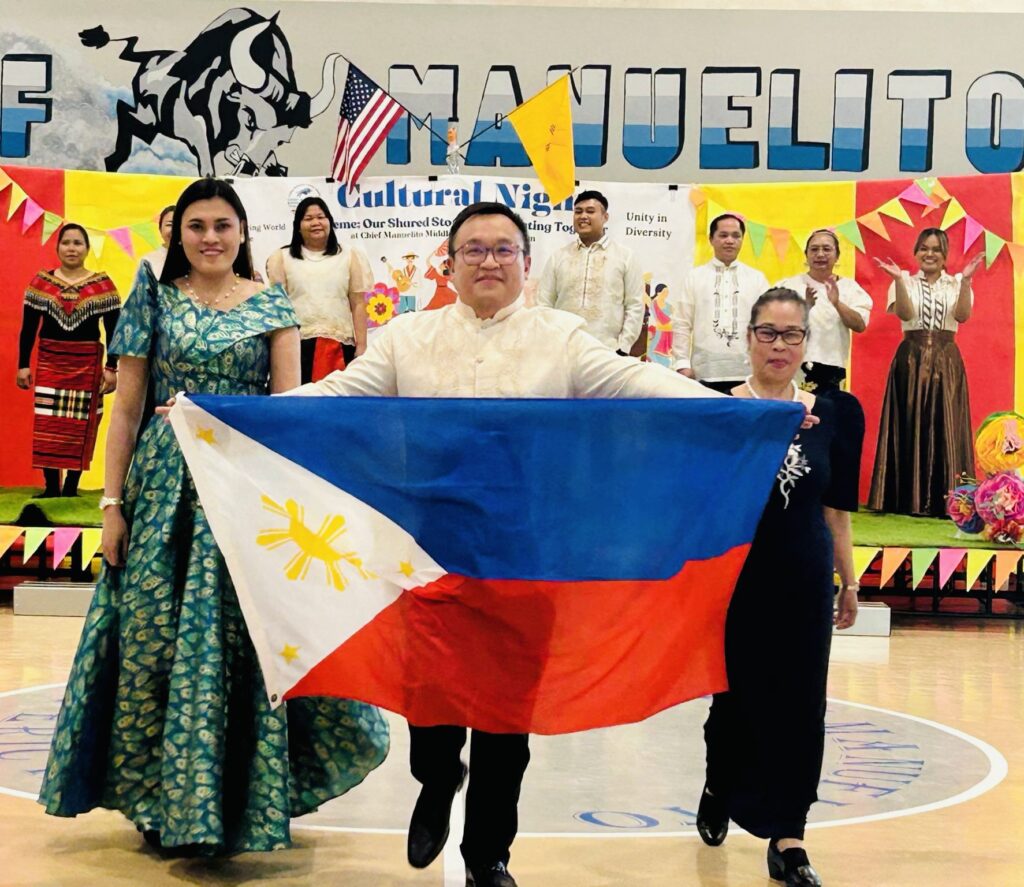
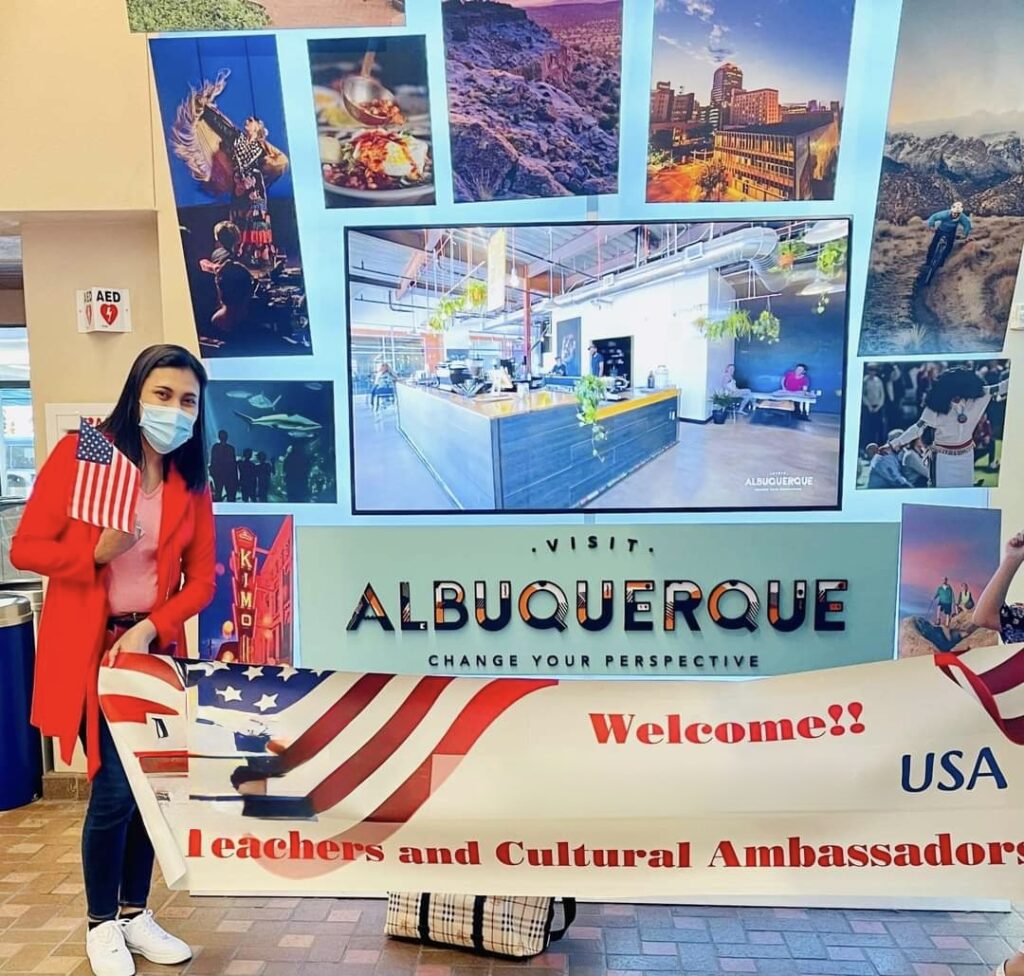
Her journey abroad, as she tells it, began in the darkest stretch of her life — after the loss of her fifth child, whom she refers to throughout as her “angel.” The grief reordered everything. “That pain changed me deeply,” she says. “It showed me who truly cared for me, what my worth was, and how short and fragile life can be.” Somewhere inside that loss, a previously unthinkable idea took root: that serving others did not have to mean overlooking her own children’s future.
She kept the plan to herself at first, not even telling her husband. He only noticed something had shifted when she kept staying up late, hunched over applications and documents. Eventually she confided in him and in her eldest daughter, Rellian Joy, and the long, bruising process began.
It did not go smoothly. Her very first interview, with a Maryland school district, ended in an immediate job offer — she had even started signing paperwork — before misunderstandings between the principal and HR left her uneasy. She walked away. “I decided to pass on the opportunity because I did not want to enter something that did not give me peace.” What followed was a war of attrition: interview after interview, nearly a hundred applications, long silences where responses never came. “There were moments when I questioned if this dream was really meant for me. I almost gave up many times.”
What kept her going was a community she had never met in person — a group of Filipino educators already teaching in the US, and one man in particular who guided aspiring teachers for free through group chats, never even introducing himself. He kept telling them the hiring season picked up around April. In April 2022, an invitation arrived from a school she had never imagined applying to. The offer came, and this time the feeling was different. “Instead of fear, I felt peace.”

She left the Philippines on July 9, 2022, carrying a verse she returned to whenever the waiting felt unbearable — Isaiah 60:22: “When the time is right, I, the Lord, will make it happen.”
What survival costs, and what it gives back
Arriving in New Mexico, Capillo was completely alone for the first time in her life, separated from her husband and four children. She does not soften the description. “There was never a single day that I did not think about them. I was not sleeping well, eating well, or feeling complete.” That loneliness, she says, became fuel. She threw herself into work and held onto a single image of the future: all of them, together again. It took a year. When she was finally able to bring her family to join her, something cracked open. “That moment healed a part of my heart that had been empty since the day I left.”
Even the work itself she approached warily at first. During her first year she was, by her own account, afraid to care too much — afraid to attach herself to students, colleagues, and a system that felt entirely foreign. “There were times when I questioned if I would really survive teaching in a different country and environment.” But guarding her heart turned out to be impossible. “No matter how much I tried to guard myself emotionally, I realized I could not stop myself from caring. Teaching is truly my calling.”
The unfamiliar slowly became hers. She grew more involved, more confident, and increasingly drawn to helping other educators struggling through their own first years. The part of the job she now names as most fulfilling has nothing to do with test scores. “The most fulfilling part of my work now is seeing students slowly recognize their own worth and capabilities,” she says — helping them understand “that they are more than their mistakes, fears, or struggles.”
She has made peace with the limits of her role, too. “Even if I may only become a chapter in their lives, I was able to leave something meaningful in their hearts,” she says. “Maybe years from now they will forget some lessons I taught, but I hope they remember that there was once a teacher who believed in them, listened to them, and helped them see life differently.”
Working abroad, she says, also taught her something about herself she had been slow to believe. “There were moments in my life when I doubted my worth, but this journey helped me realize that I am capable, valuable, and deserving of opportunities too.” And it reshaped how she sees difference itself — the mix of cultures and backgrounds around her teaching her that “no single approach works for everyone because every person grows differently. Some grow fast, some grow slowly, but every small progress still matters.”
What she’d tell the ones still deciding
Now in her fourth year, Capillo’s dreams have grown smaller and, in a way, larger. She wants to go home to the Philippines someday and rest for a year or two — to recover the simple life she had to set aside while she was busy surviving. “I feel I owe myself the time to breathe, slow down, and just be with the people I love most.” But she also sees herself returning to the US, this time for good, still helping struggling students and, increasingly, guiding Filipino teachers weighing the same leap she once made.
Her advice to fellow kababayans is shaped less by logistics than by everything the journey cost her. Readiness, she insists, is not really about skills or credentials. “Sometimes we think we’re ready for something because of our skills, experience, or plans, but real readiness runs deeper than that. It is the heart that truly needs to be prepared.” Working abroad, she warns, “will test your patience, faith, relationships, and even your identity,” and will bring people who disappoint you. “That is why it is important to protect your peace, choose carefully the people you trust, and never lose yourself while trying to survive abroad.”
She is firm on one point in particular — a teacher’s insistence on integrity. “Never fake your experiences, credentials, or papers just to get opportunities faster. In the end, truth always finds its way back.” Better, she says, to wait longer and arrive honestly.
She comes back, finally, to the thing she keeps returning to in her own life — the conviction that delays and heartbreaks are part of the preparation rather than proof of failure. “Do not forget the reason why you started,” she says. And then, the line that sounds less like advice than a rule she has lived by: “Do not lose your kindness while chasing success. The world already has enough people trying to survive; be one of the people who still choose to understand, encourage, and help others along the way.”
It is, in the end, the same philosophy she brings to the difficult kid in the back row — the belief that what looks like a problem is usually a person waiting to be seen. Capillo has spent nineteen years acting on that belief, across two countries and through a grief that might have stopped someone else cold. Her mantra, borrowed from Aristotle, fits a woman who turned repetition into a calling: “We are what we repeatedly do.”
