



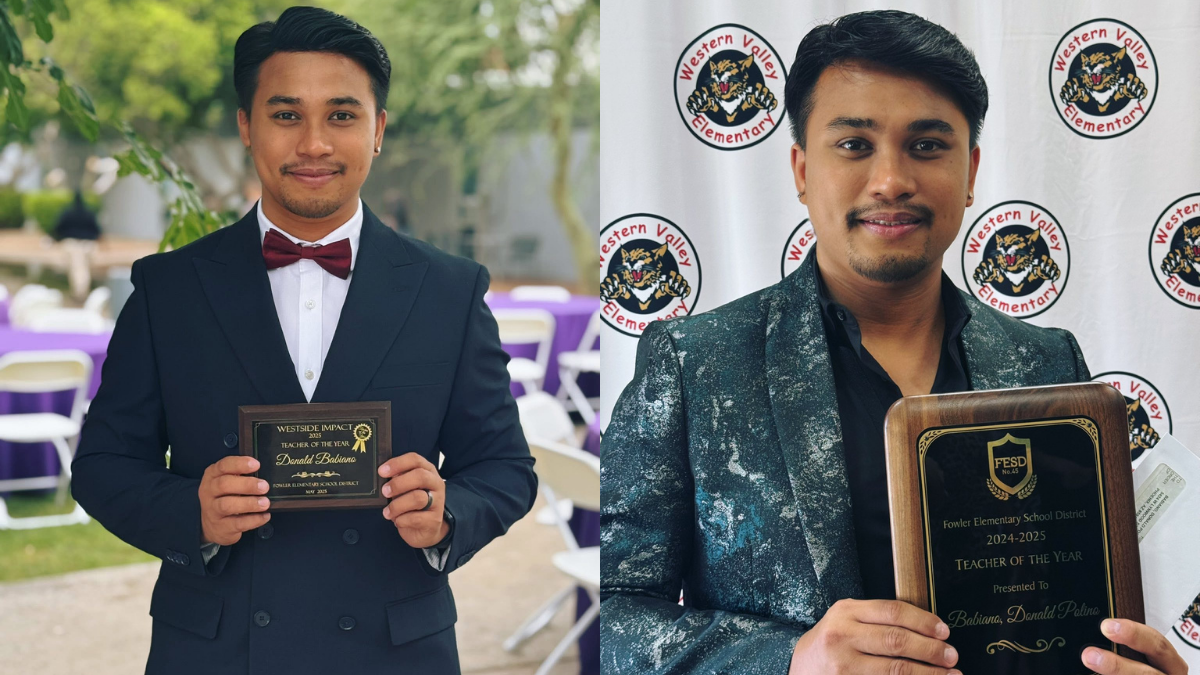

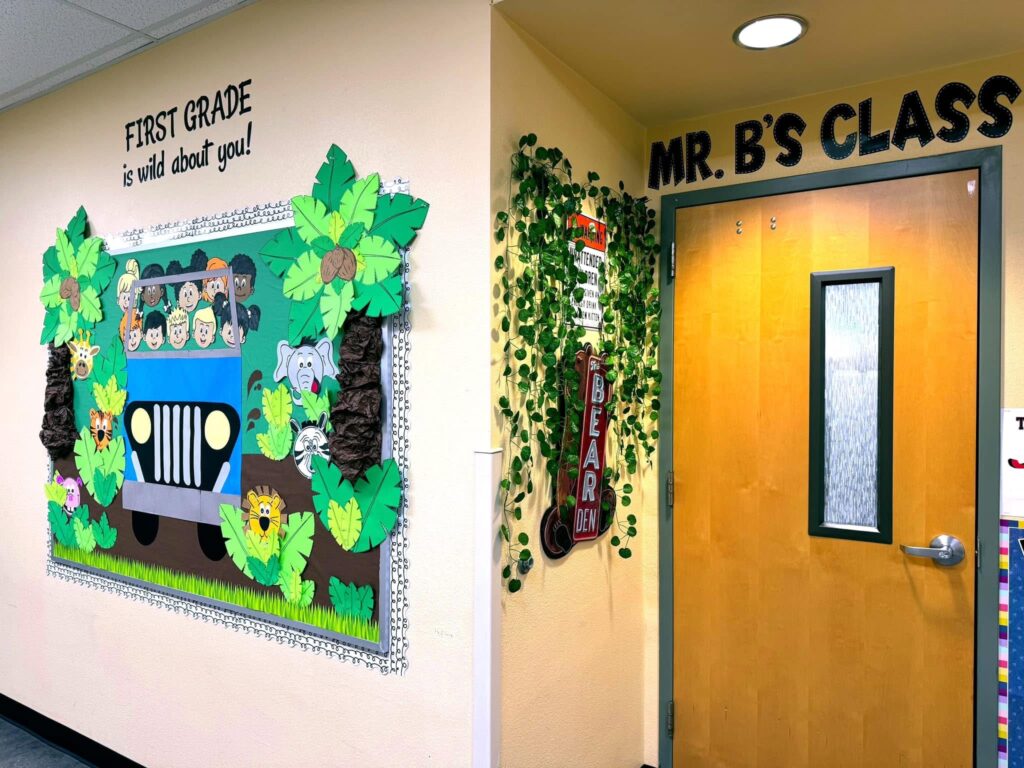
Behind nearly every glossy photo of a teacher thriving abroad — the themed classroom, the travel shots, the success-story captions — there is usually a quieter scene that never makes the feed: a teacher alone in an apartment, missing home. Donald Babiano knows both versions intimately. He is one of thousands of Filipino educators recruited to fill teacher shortages across the United States, and today he stands in a first-grade classroom in Phoenix, Arizona, thousands of miles from the province he grew up in.

But the man leading articulation meetings and shaping district-wide language programs today is not the man who arrived. “When I look back at the quiet, fearful version of myself who first arrived in America, I barely recognize him,” he says. The distance between those two people is the real story.
The warnings came before he did
Before Babiano boarded the plane, he carried a suitcase of other people’s predictions. Students are terrible there. You won’t survive. You cannot trust anyone. You will go home eventually. He admits the fear was real. As Filipinos, he reflects, “we naturally carry warmth, kindness, and hospitality wherever we go,” which made stepping into a culture that felt foreign and cold genuinely frightening.
What he found instead reshaped how he thinks about discomfort altogether. Different, he came to believe, is not the same as bad. It was the unfamiliar that forced him to grow, that taught him lessons his comfort zone never could. The struggles did not vanish overnight. He simply, gradually, became stronger than they were.
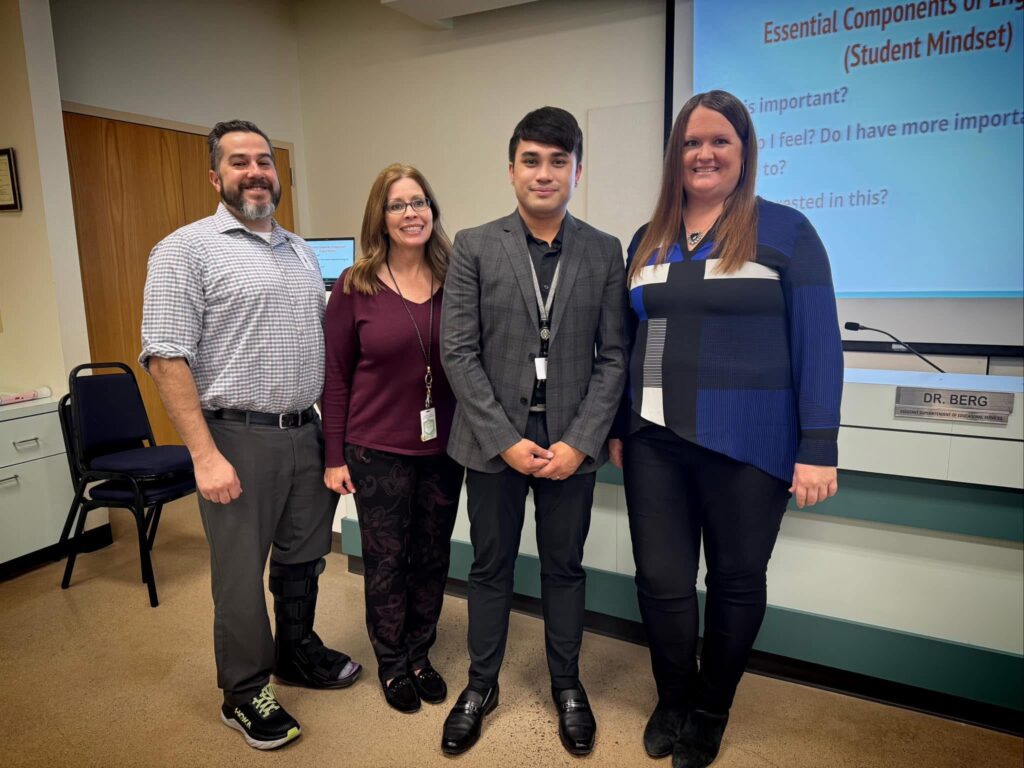
That shift showed up in his title. Babiano went from someone who followed instructions to someone trusted to lead. He now serves as a Team Lead at his school and works on curriculum mapping across his district, aligning standards, teaching strategies, and assessments so they actually serve students. He is also one of the district leaders supporting English Language Development programs — a role he describes as deeply personal, because he knows exactly what it feels like to hesitate before speaking, to translate words in his head before saying them aloud, and to wonder whether he belongs.
A morning that starts with names
His days begin at the bell, and he treats the first few minutes as the most important. He greets every student individually, by name. The check-ins are short, but they tell him a great deal — which child has a story to share, which one might be carrying something heavy from home. Breakfast follows, then a morning meeting to walk through the calendar, the schedule, and the week ahead. Only then do the targeted English lessons begin, the hour when first-graders across the school rotate and Babiano works with the children who arrive with little to no English.

Those are the students he understands best, and the ones whose progress he measures most carefully. Many arrived last year withdrawn, afraid to speak. He built their confidence partly by handing them his own story — telling them he was not born in the United States either, that he once sat in a classroom carrying the same fear of being laughed at for a mistake.
From there, the work was methodical: pictures, videos, Total Physical Response, modeling, repetition, sentence starters, every research-backed tool he could reach for. “At times, the work was exhausting, but it was undoubtedly worth every sacrifice,” he shares with TGFM. Most of those students recently reached proficiency on the Arizona English Language Learner Assessment. Some of the quietest among them now take on leadership roles and help their classmates. For Babiano, that outcome confirms something he repeats like a thesis: one caring advocate can change a child’s life.
Costumes, fossils, and the language of belonging
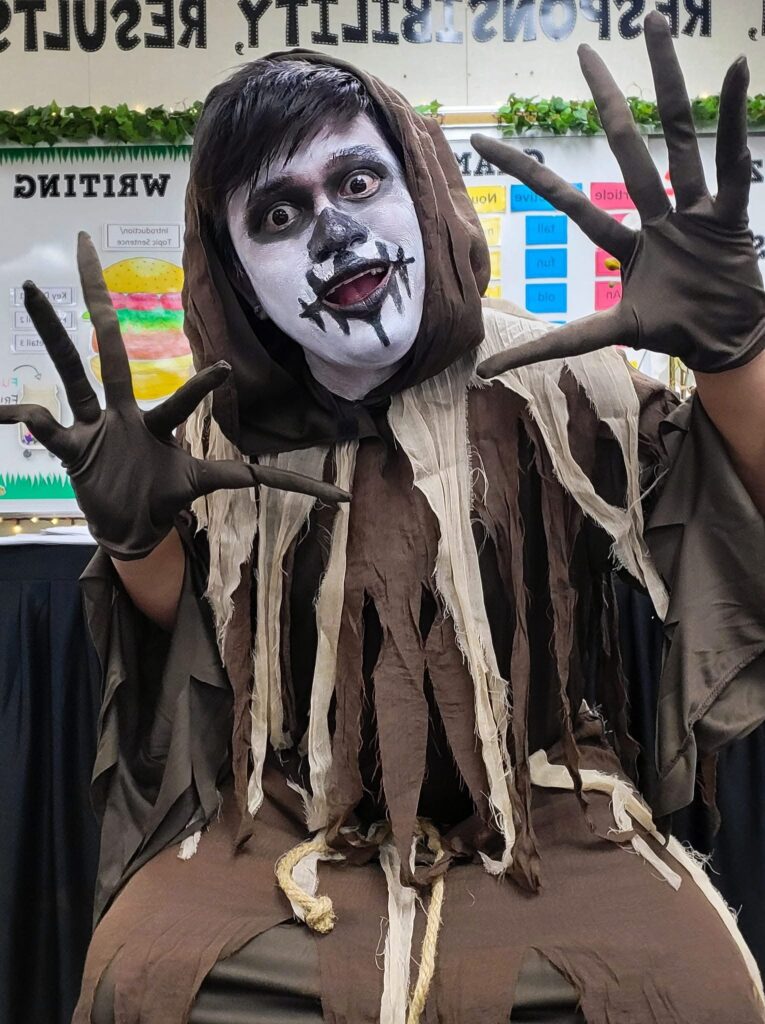
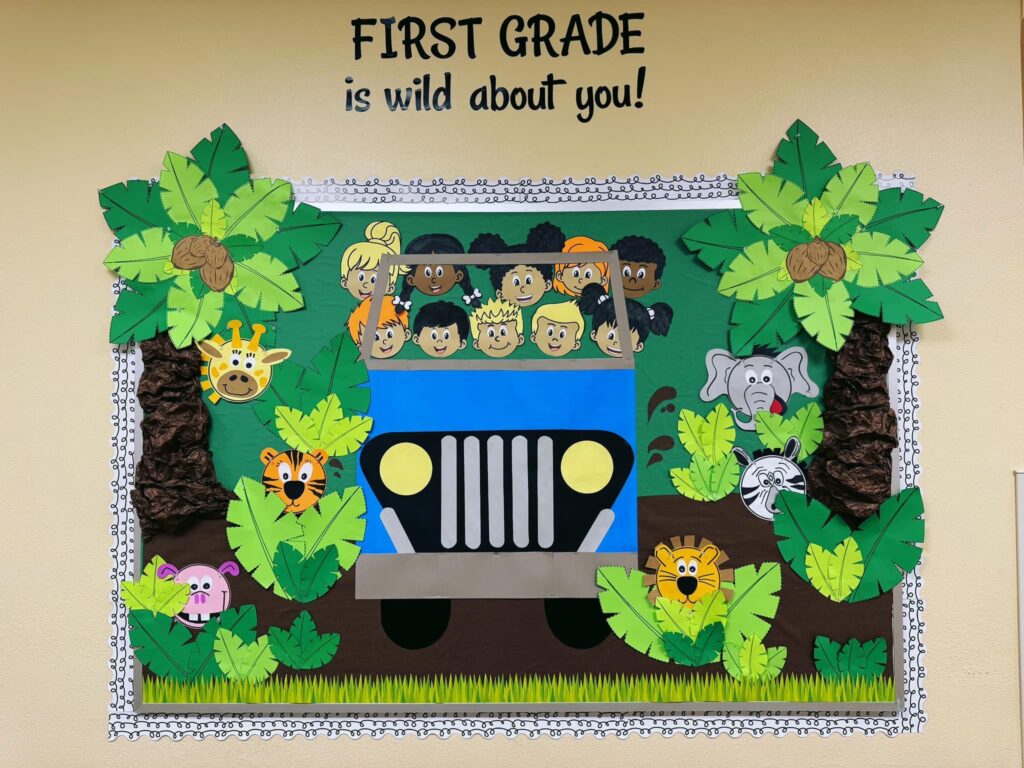
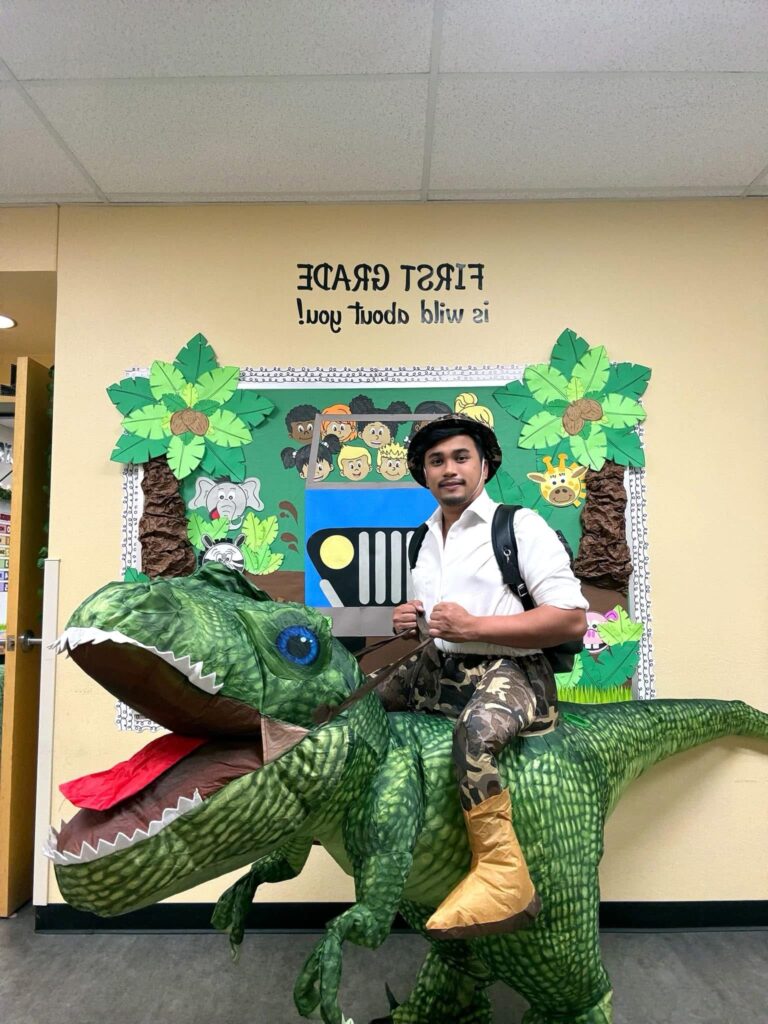
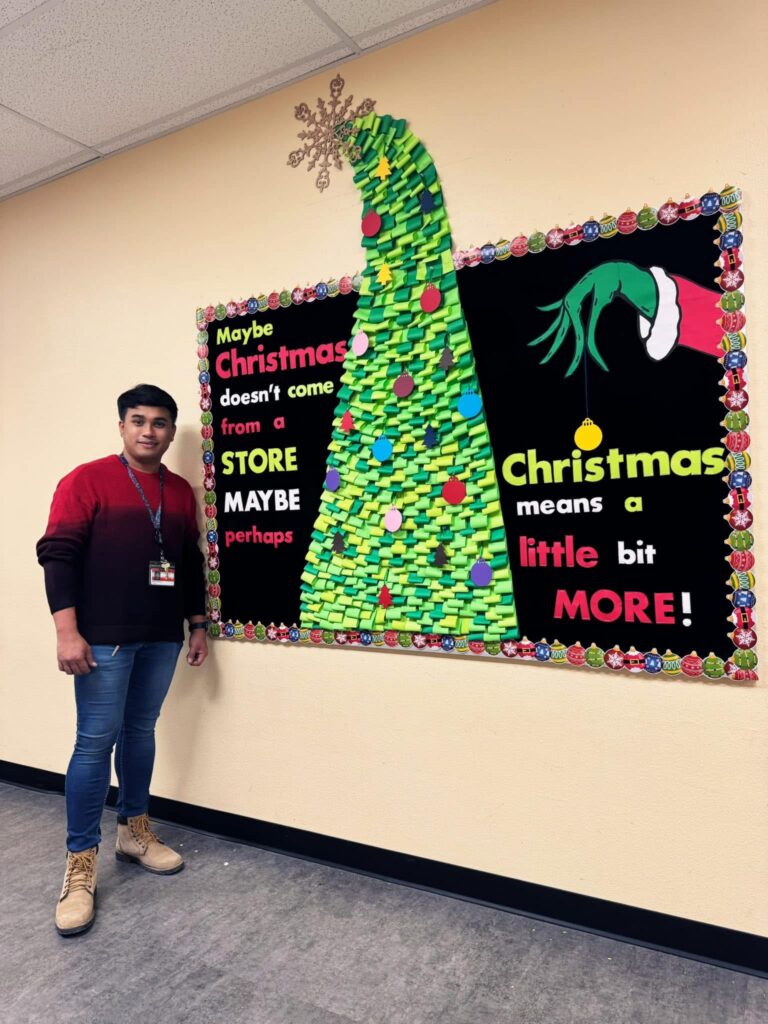
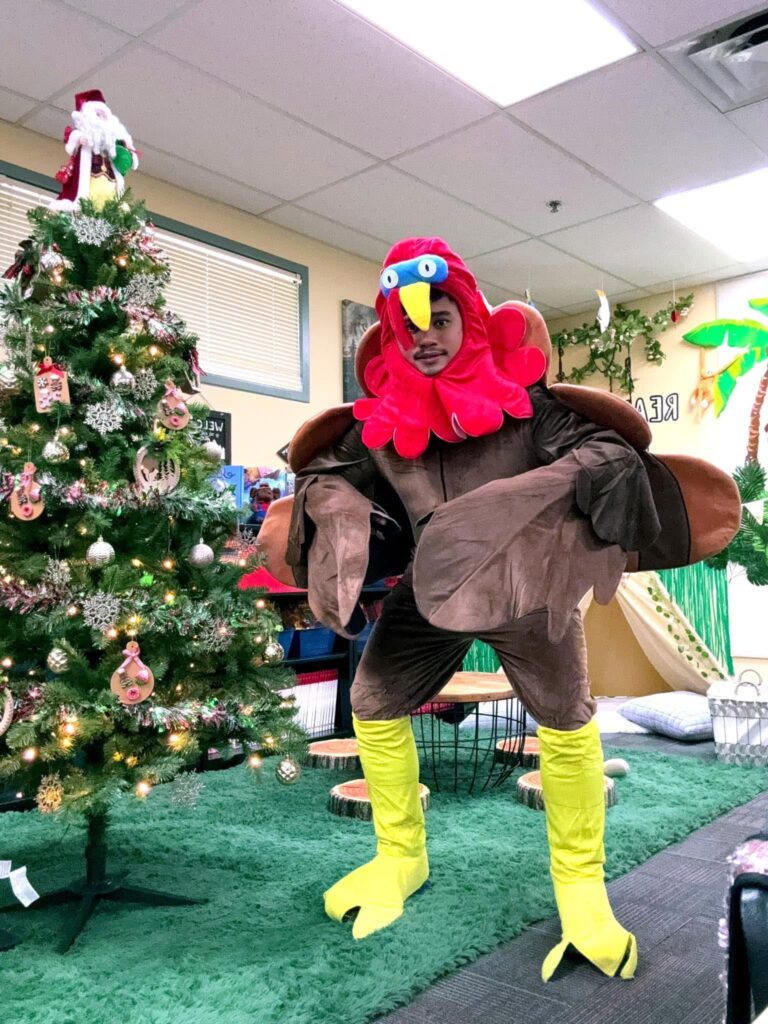
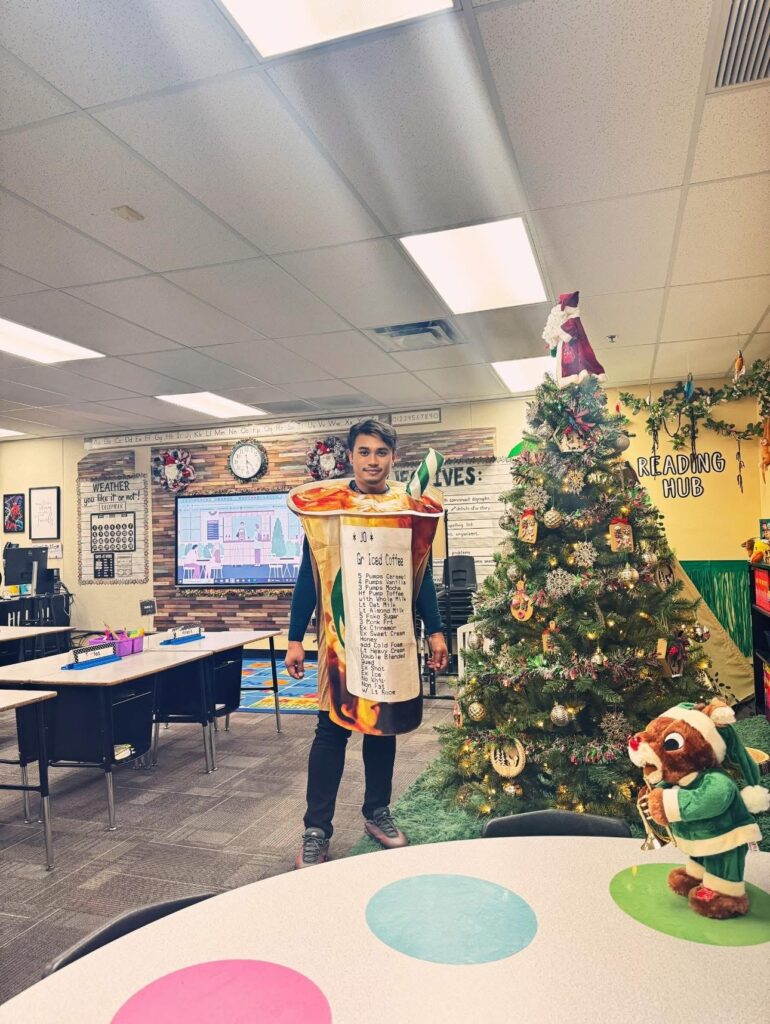
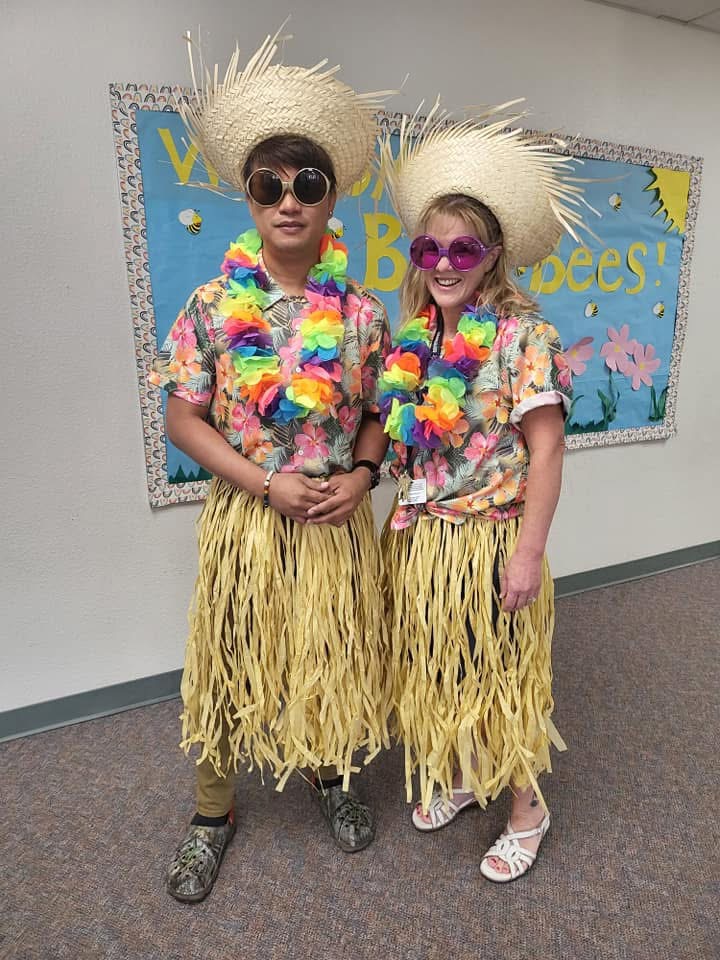
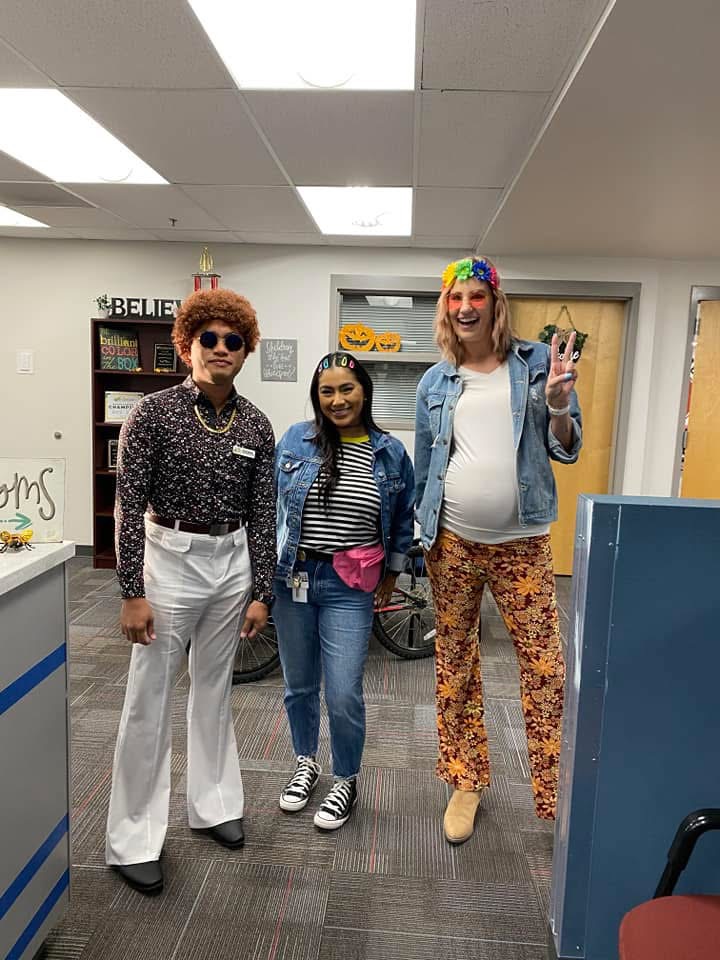
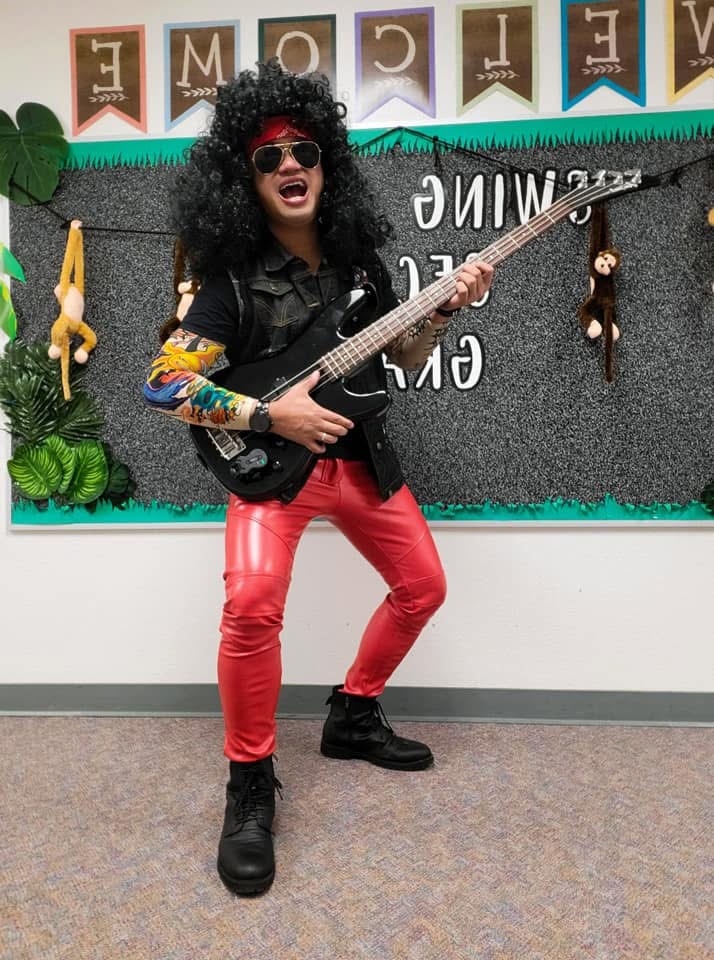
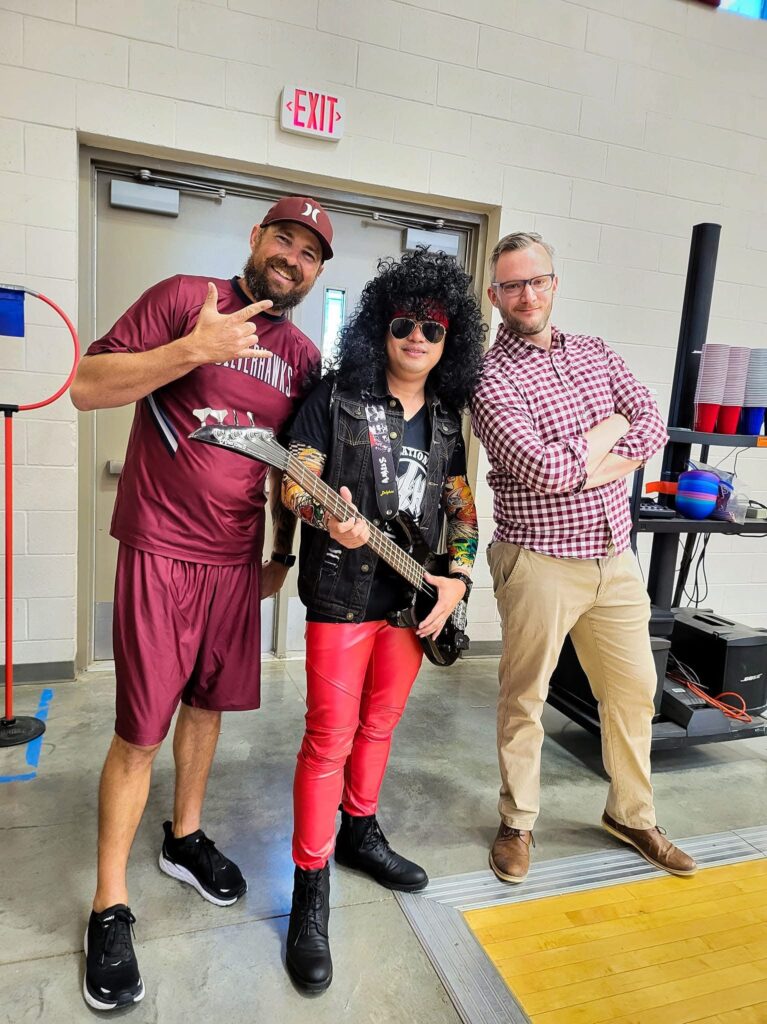
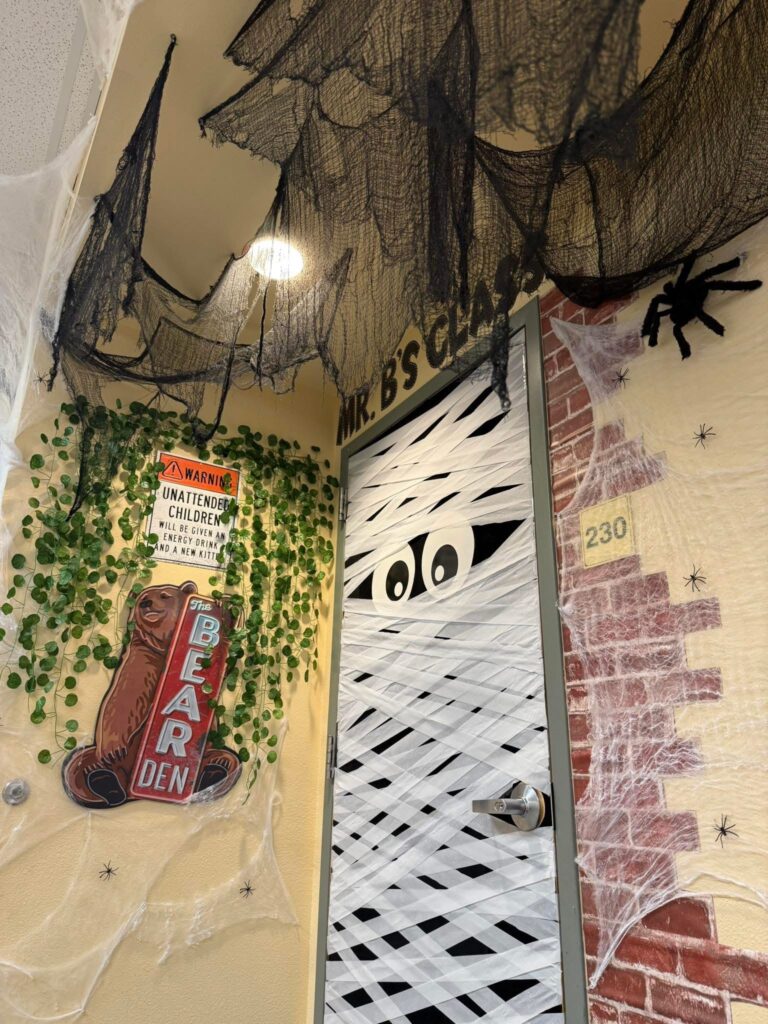
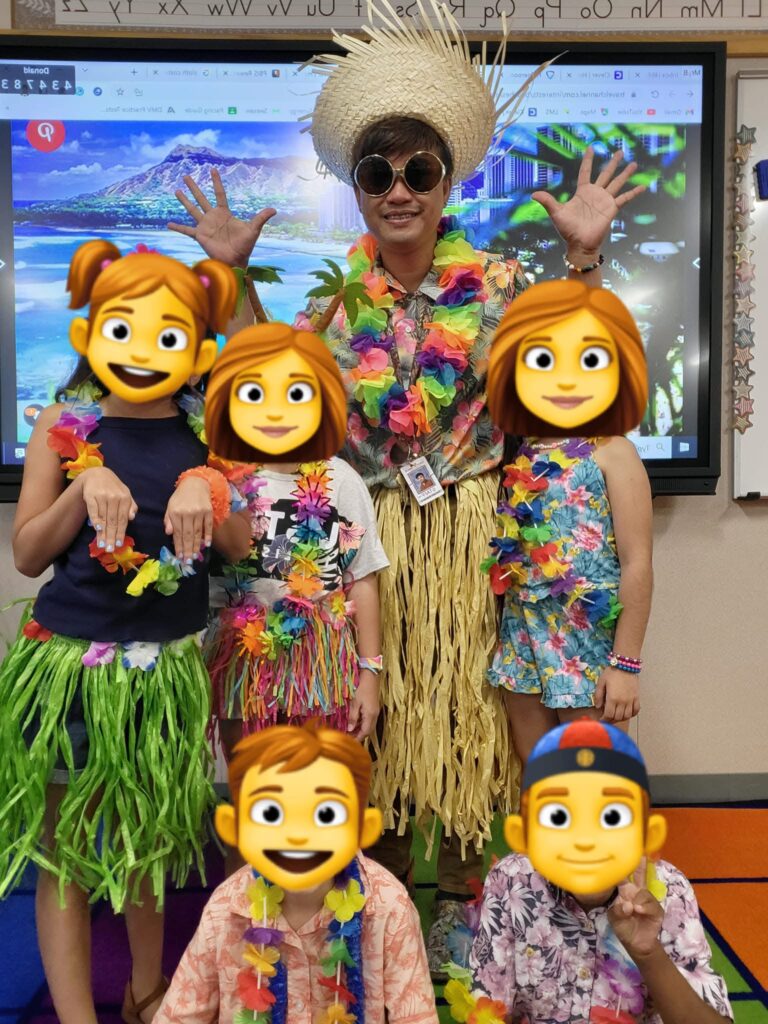
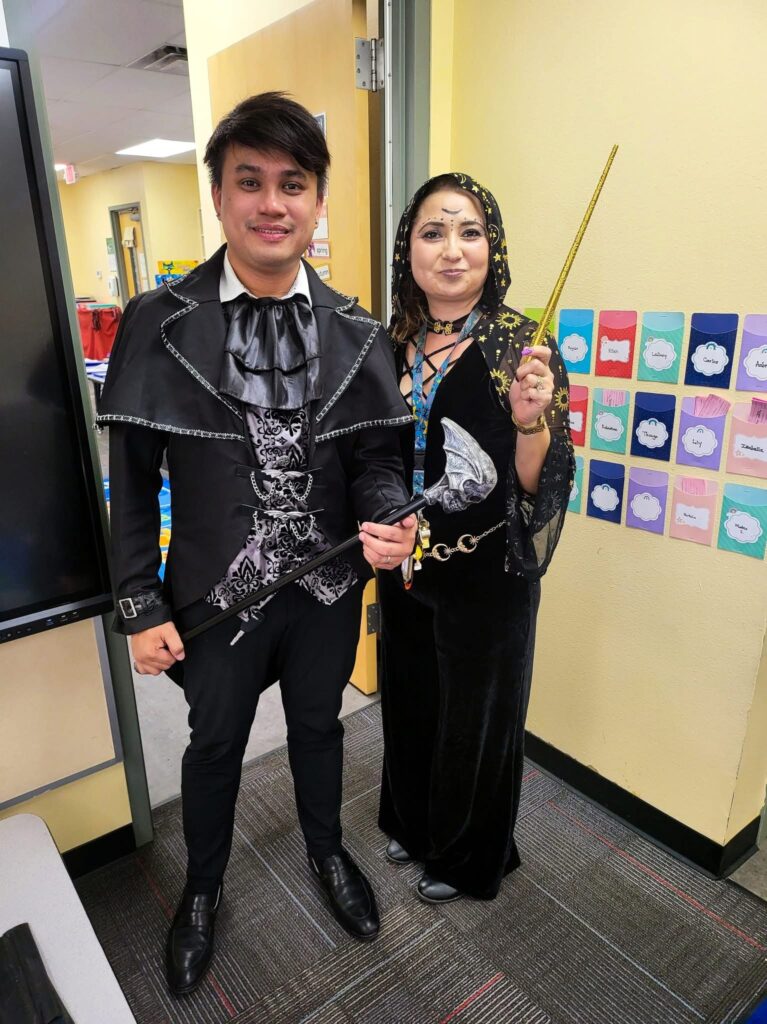
There is a reason his classroom has a reputation as one of the most engaging in the school. Babiano builds lessons from curriculum standards but refuses to let them stay abstract. The biggest reaction he ever drew came when he dressed as a character from Jurassic Park for a unit on fossils and prehistoric times — the surprise and laughter broke down walls instantly and pulled students into the material. Whether it is Spirit Week or an ordinary Tuesday, the goal is the same: a room where children feel happiness, belonging, and encouragement before they are ever asked to perform academically.
That philosophy is rooted in something he says plainly about his students: many of them carry insecurities and fears that adults never see, and “sometimes, before students can learn academically, they first need someone to believe in them.” So he tells the children who remind him of his younger self exactly what he once needed to hear — that they belong.
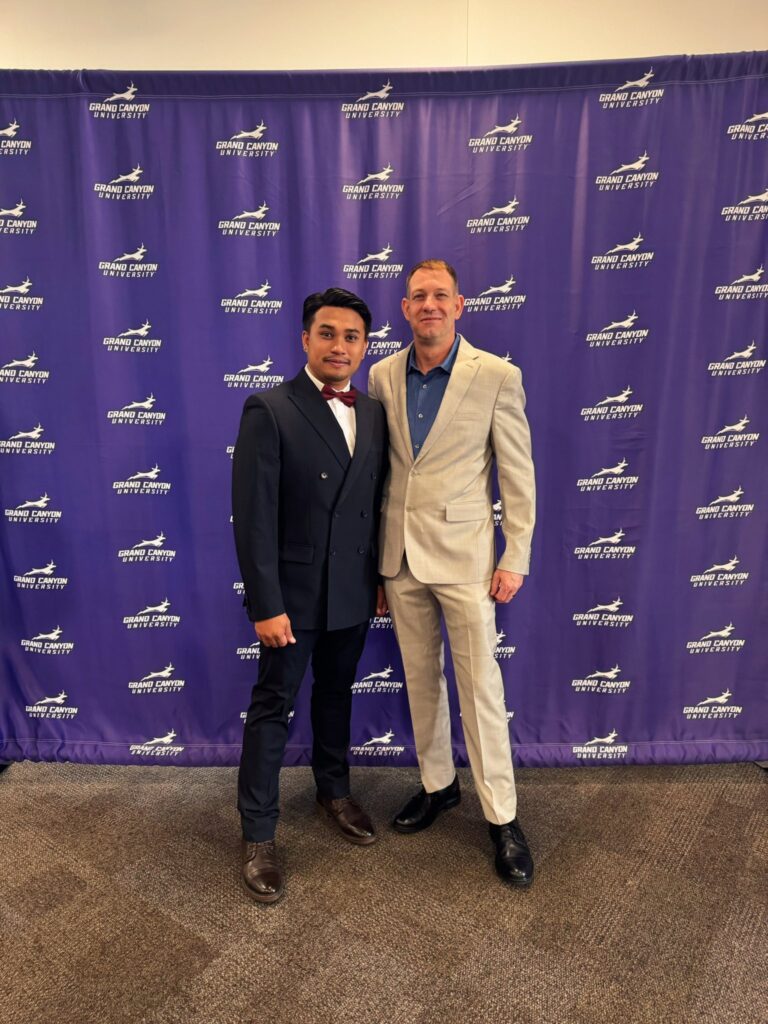
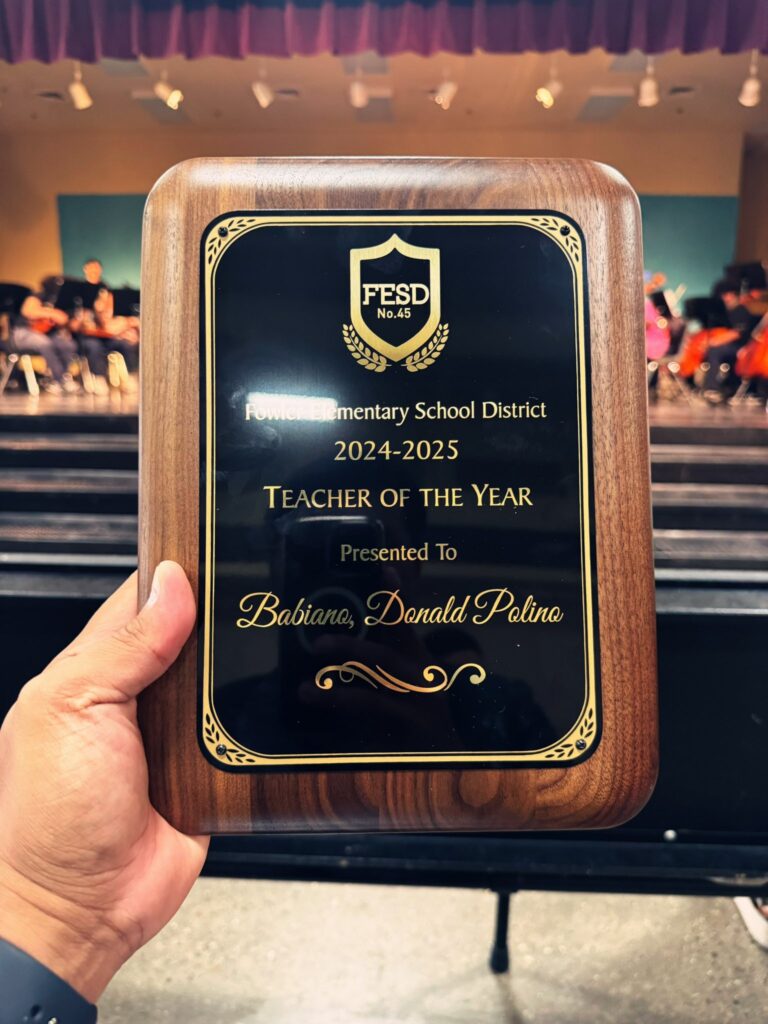
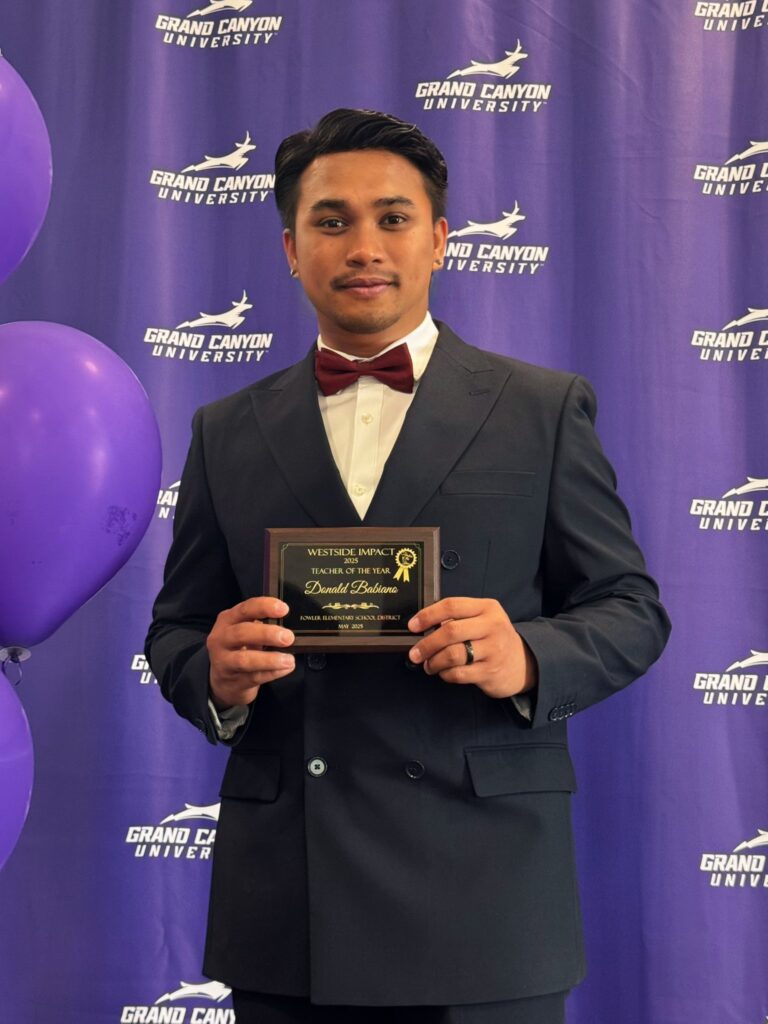
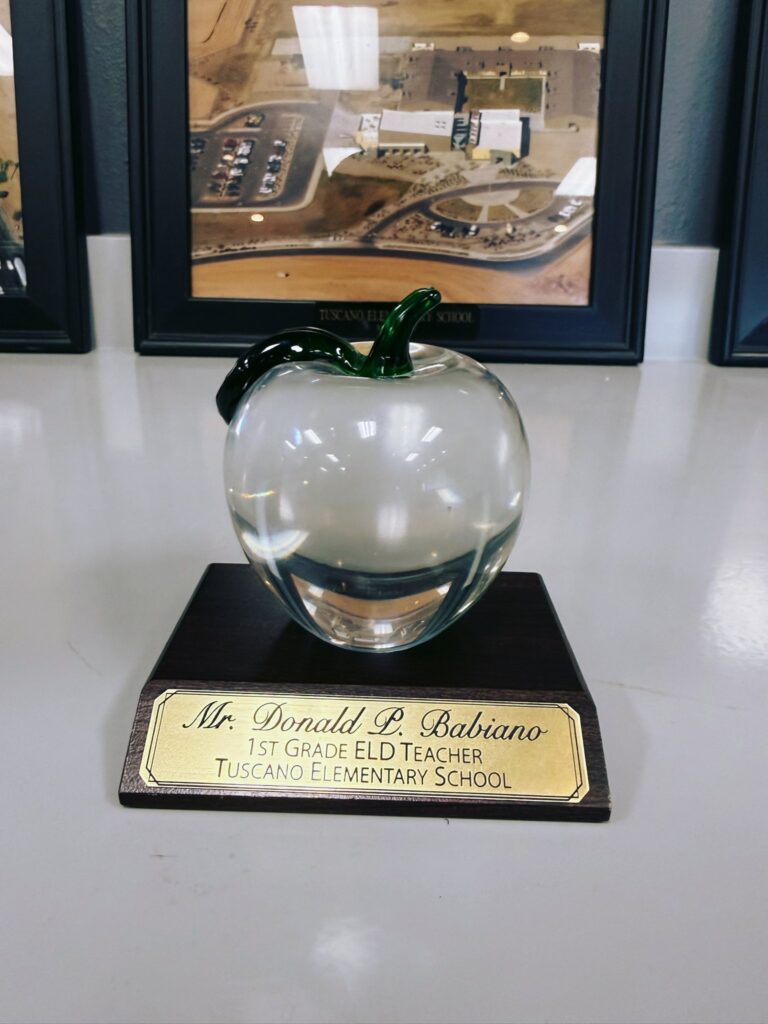
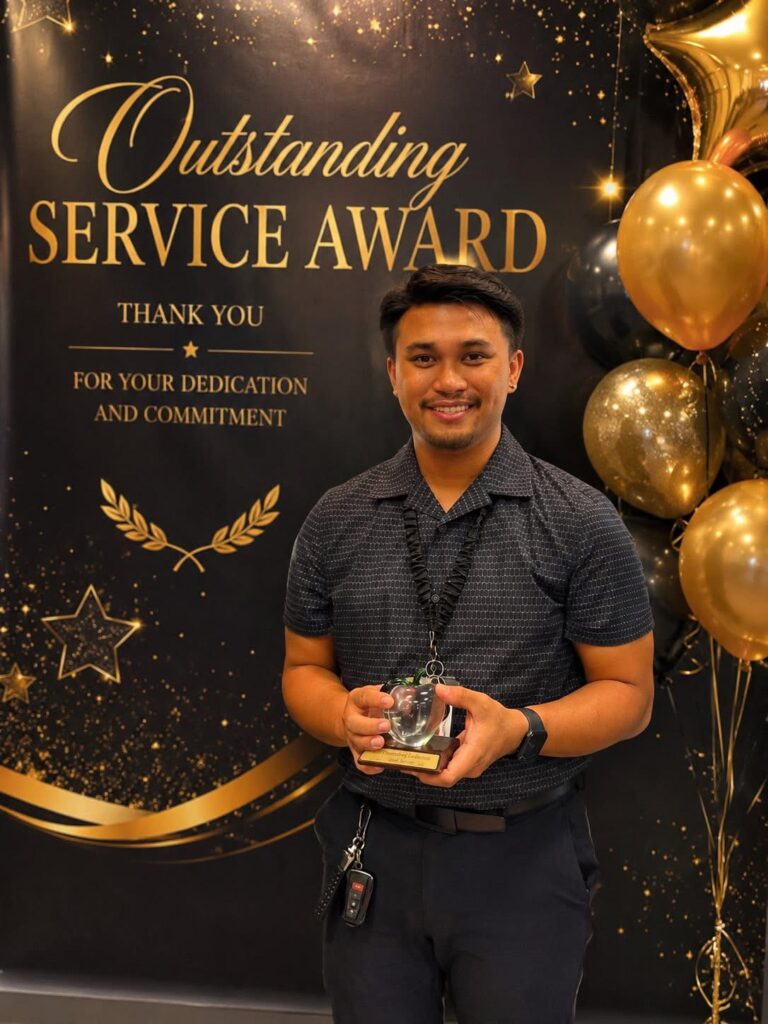
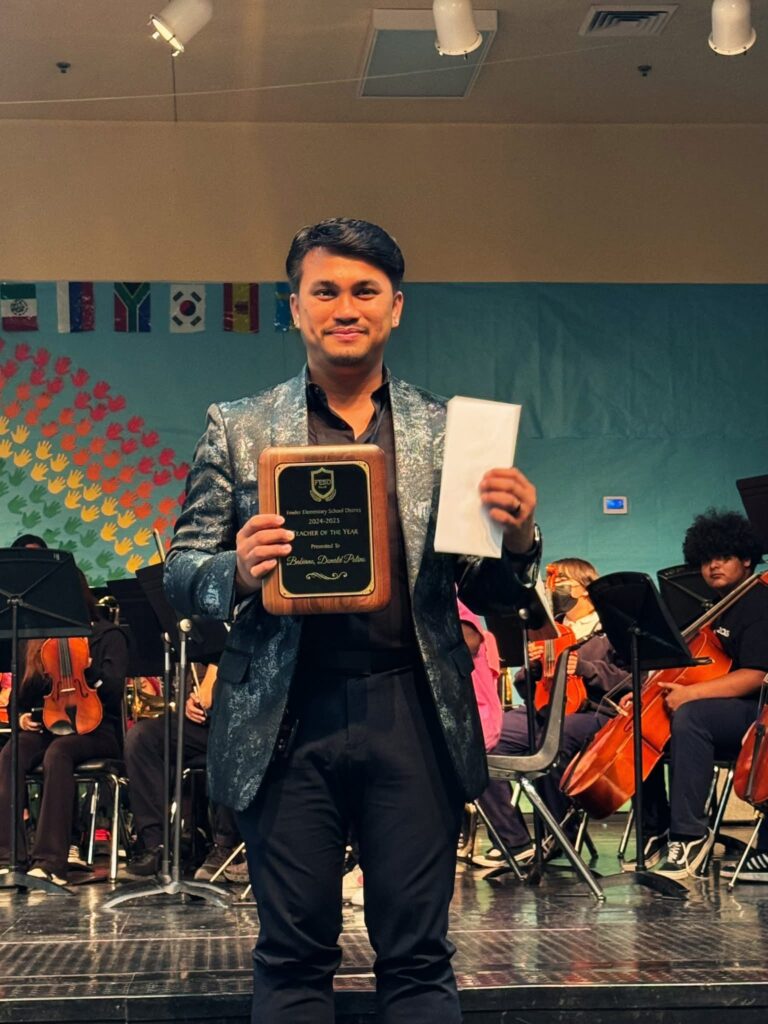
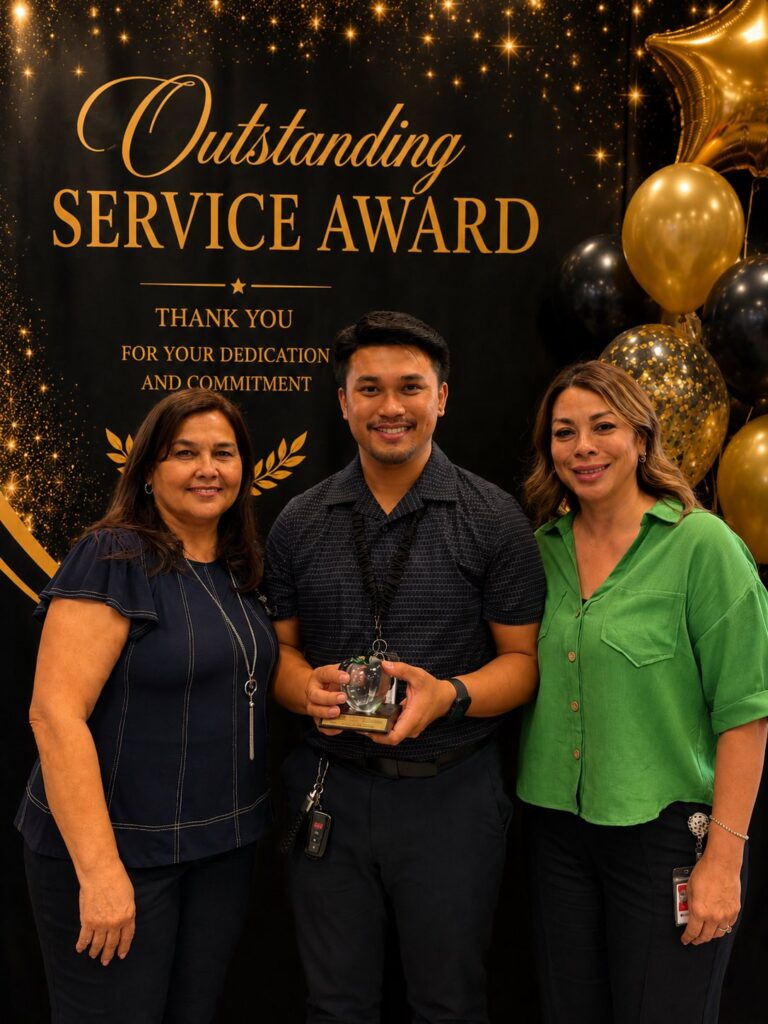
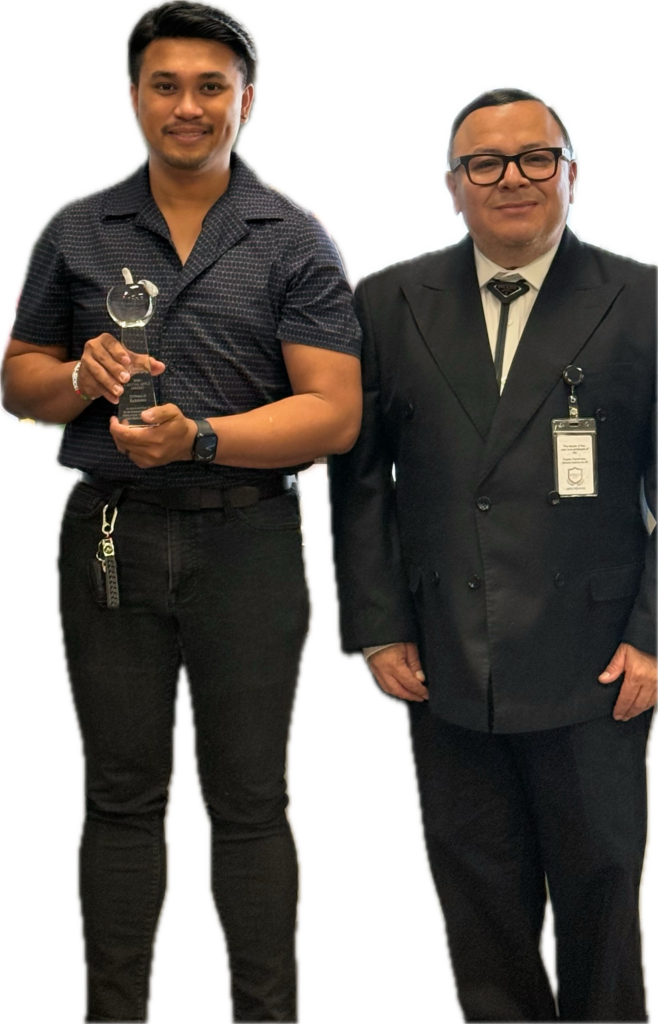
The recognition has followed. Babiano says he has been consistently rated Highly Effective, was named Teacher of the Year at Tuscano Elementary, and received a 2025 Westside Impact Award in Phoenix’s West Valley. This year, his name appears on the national list for a different honor: he is one of five grand prize winners of School Specialty’s 12th annual Crystal Apple Awards, selected from hundreds of nominations through a national public vote and announced ahead of Teacher Appreciation Week.
What stays with him, though, is not the trophy but the math behind it — every homesick night, every fear, every moment of self-doubt, weighed against where he now stands. His verdict is short: worth it.
His advice to Filipino teachers eyeing the same leap is just as grounded. Adapt before you try to lead. Spend the first months observing, learning the cultural nuances of an unfamiliar school system, and asking for help without shame. “Learn to empty your cup,” he says, then step out and share your ideas — because people are often as curious about you as you are about them. And do not fear being different. As he puts it, there is beauty in every color, and strength in diversity.
