



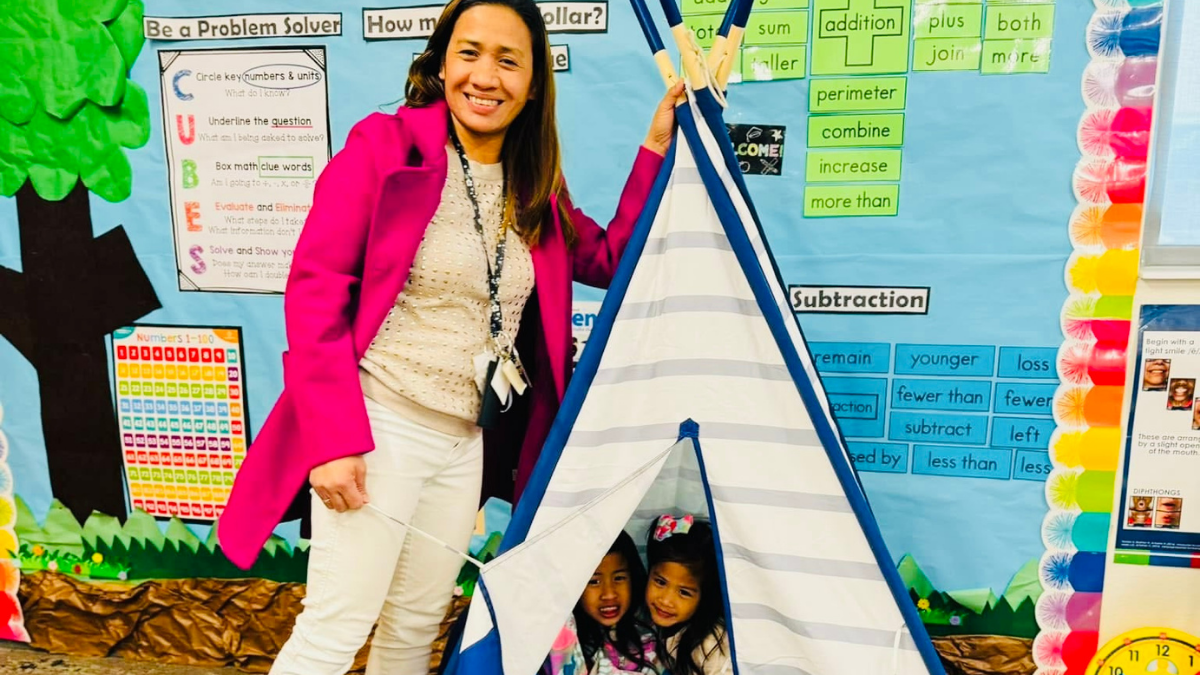

Most kids learn to read the way they learn to walk—gradually, then all at once, with no memory of the struggle. But for the children who don’t, who stare at a page while the letters refuse to cohere, that early stumble can quietly shape the rest of their lives. Cheryl N. Chan has spent more than two decades making sure it doesn’t. An educator, literacy advocate, and special education professional, she now teaches an inclusion classroom of bilingual learners and students on individualized education plans at Cottonwood Elementary School in Carlsbad, New Mexico—roughly nine thousand miles from where her career began.

That distance was not part of the original plan.
From Lapu-Lapu to New Mexico
Before New Mexico, there was Pajo Elementary School in Lapu-Lapu City, where Cheryl built a career in steady, deliberate steps. She entered as Teacher I, rose to Teacher III, and eventually earned the rank of Master Teacher I. Over those years she taught elementary students, developed instructional materials, mentored colleagues, and led professional development activities. Reading instruction was where she found her footing. “One area where I truly excelled was literacy instruction and curriculum development,” she shares with TGFM. “I enjoyed helping students improve their reading skills and supporting teachers through mentoring and training.”
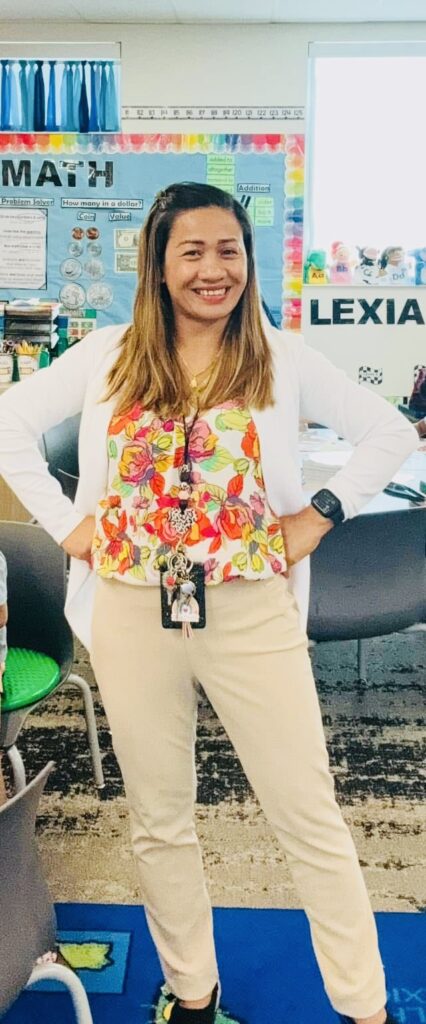
By 2021, after many years in the Philippine system, she decided to test herself somewhere unfamiliar. The reasons were practical and personal at once: professional growth, better opportunities, and the need to keep supporting her family. There was also something larger driving the decision. “I wanted to show that Filipino educators are highly skilled, compassionate, hardworking, and capable of making meaningful contributions internationally,” she says.
Her first overseas posting was the same Cottonwood Elementary classroom where she works today—a rare kind of continuity for an overseas Filipino worker, and one that let her sink roots into a single school community rather than bouncing between assignments.
The work that follows the child home
Ask Cheryl what keeps her in the profession and she does not mention pay scales or accolades. She talks about the moment a struggling reader turns a corner. “The most fulfilling part of my work is seeing a child who once struggled begin to believe in themselves,” she says. “Watching students learn how to read, participate confidently, and enjoy learning is incredibly rewarding for me.”
That focus is deliberate. In Carlsbad she teaches young learners while supporting students with disabilities and children who find reading difficult, using structured literacy instruction grounded in the Science of Reading. The approach is methodical—collaborating with special education teams, supporting IEP implementation, building a classroom where every child feels accounted for. But the conviction underneath it is plain. “I believe education can change lives,” she says. “I especially have a heart for students who struggle with reading or learning challenges because I know how important early support and encouragement are for their confidence and future success.”

The American classroom sharpened her toolkit. She credits professional development programs such as LETRS and literacy initiatives tied to the Science of Reading with strengthening her work as an intervention specialist. The collaboration also runs wider than she was used to, with teachers, administrators, specialists, and families pulling in the same direction for a single student.
What the move actually cost
The version of this story that appears on award certificates leaves out the harder middle. Moving abroad looked, from the outside, like a clean professional ascent. From the inside, the first years were something else entirely.
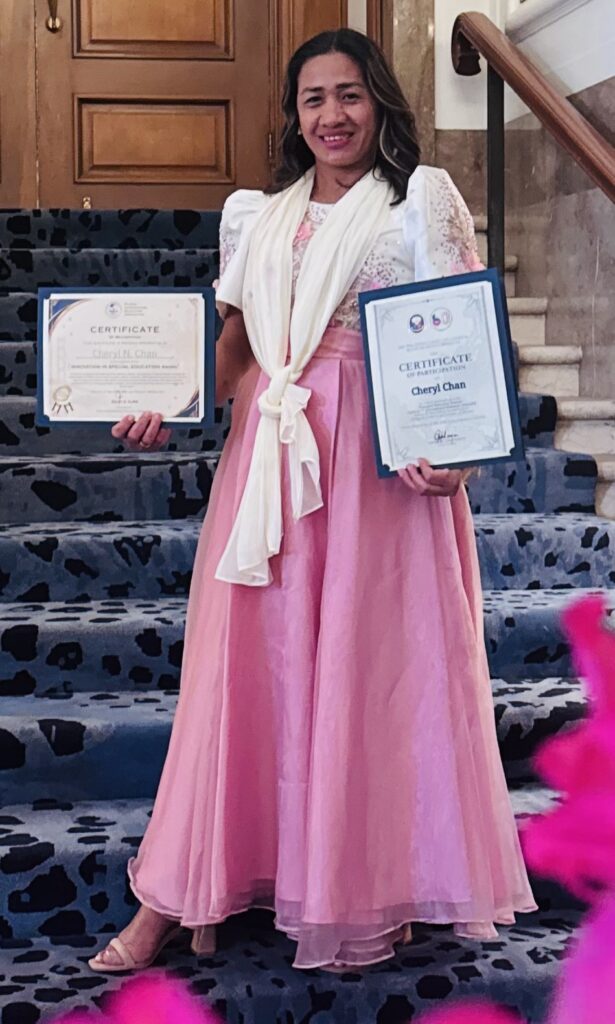
“There were moments when I felt homesick and overwhelmed, especially during my first years in the United States,” she says. “I had to adjust not only professionally but also emotionally and mentally.” Being away from family, learning a new culture, and adapting to an unfamiliar education system all arrived at once. What carried her through, she says, was faith, family, and a refusal to turn back. “My loved ones became my source of strength and encouragement,” she says. “I also learned the importance of staying positive, being open to learning, and surrounding myself with supportive people.”
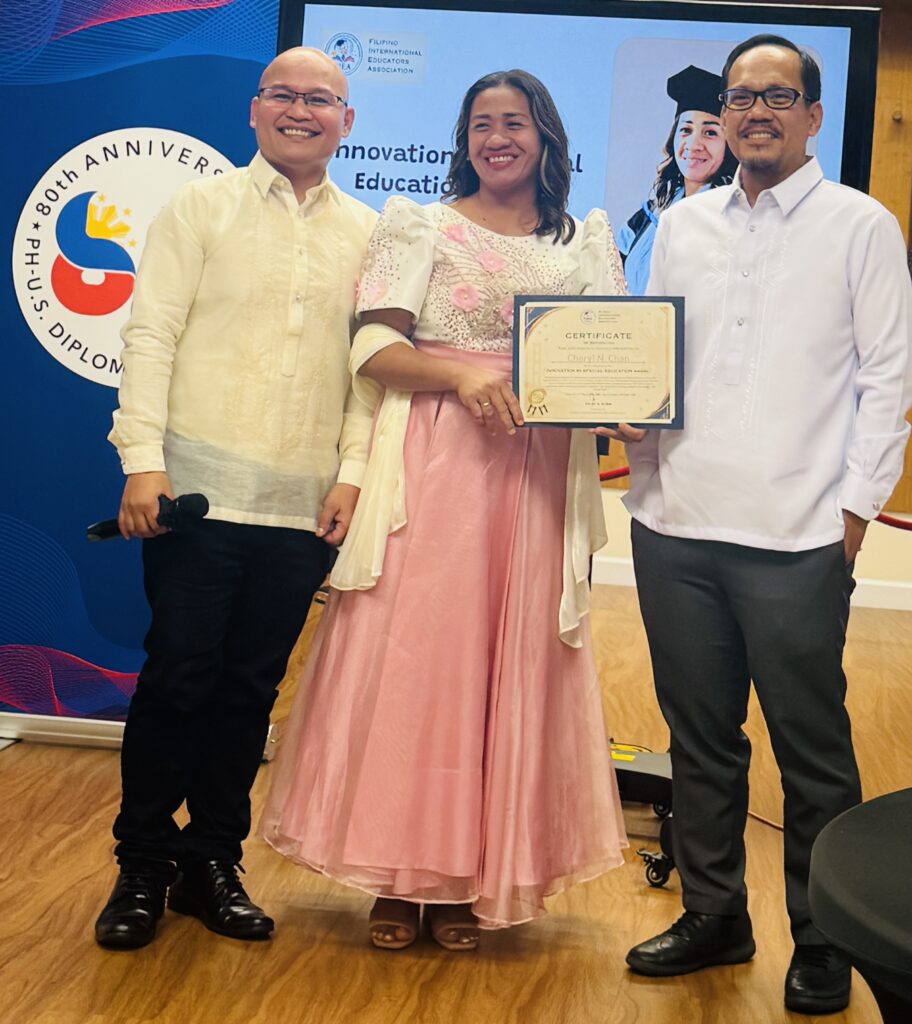
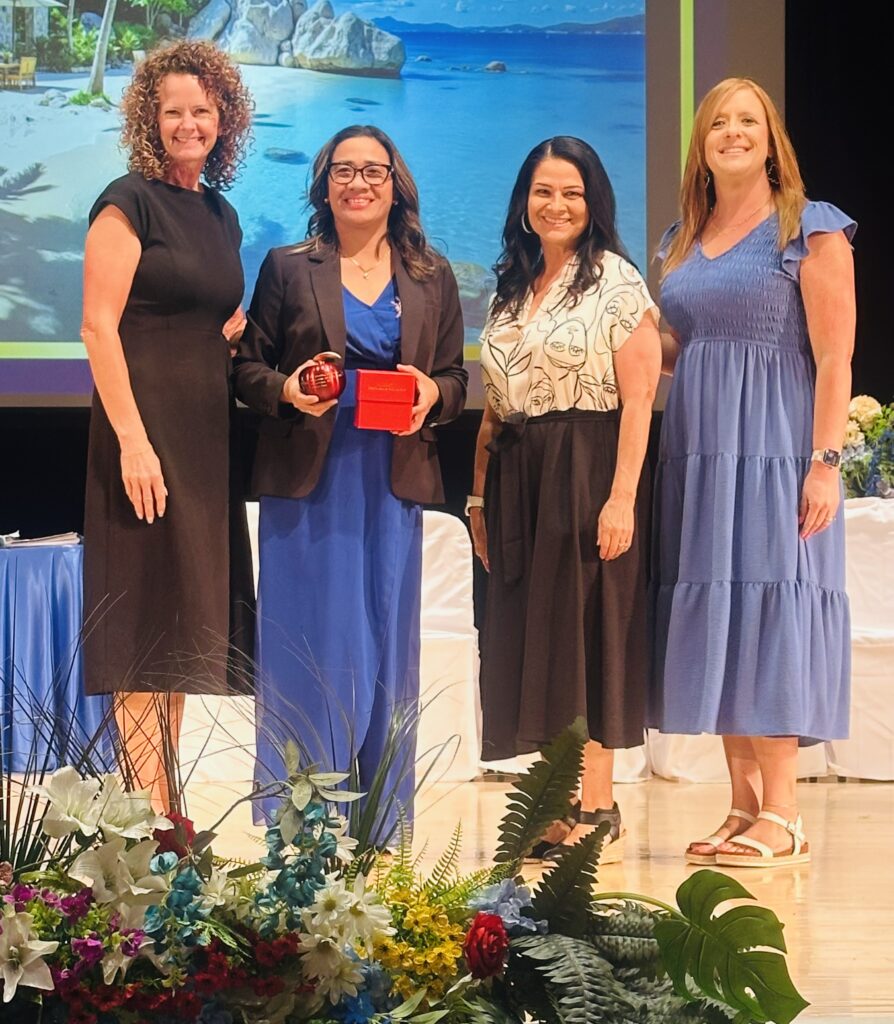
The recognition came later. In 2026 she received the Innovation in Special Education Award from the Filipino International Educators Association, in collaboration with the Philippine Consulate General in San Francisco, for her instructional practices with diverse and bilingual learners. Carlsbad Municipal Schools also honored her for achieving its highest levels of reading and math proficiency during the 2023–2024 school year, and for five years of service summed up in a phrase she clearly likes: “Planting Knowledge, Sharing Culture, and Inspiring Students.”
Her advice to other overseas Filipinos comes straight out of that experience, without polish. “Always stay strong, stay humble, and never forget your purpose,” she says. “Life abroad can be difficult emotionally, financially, and mentally, but every challenge teaches us valuable lessons.” She adds a practical note that sounds earned rather than borrowed: take care of yourself, manage your finances wisely, and keep good people close.
Looking ahead, Cheryl wants to stay tied to the work that shaped her—literacy advocacy, teacher mentoring, and special education, with a particular focus on early intervention for struggling readers. Her larger aim is simpler to state and harder to achieve. “My biggest advocacy is making sure every child has access to quality education and the opportunity to succeed regardless of their background or learning difficulties,” she says.
For a teacher who once wondered whether she belonged in a foreign classroom, it is a notably expansive goal—and a reminder that the children who learn to read all at once will never know who made sure they could.
