



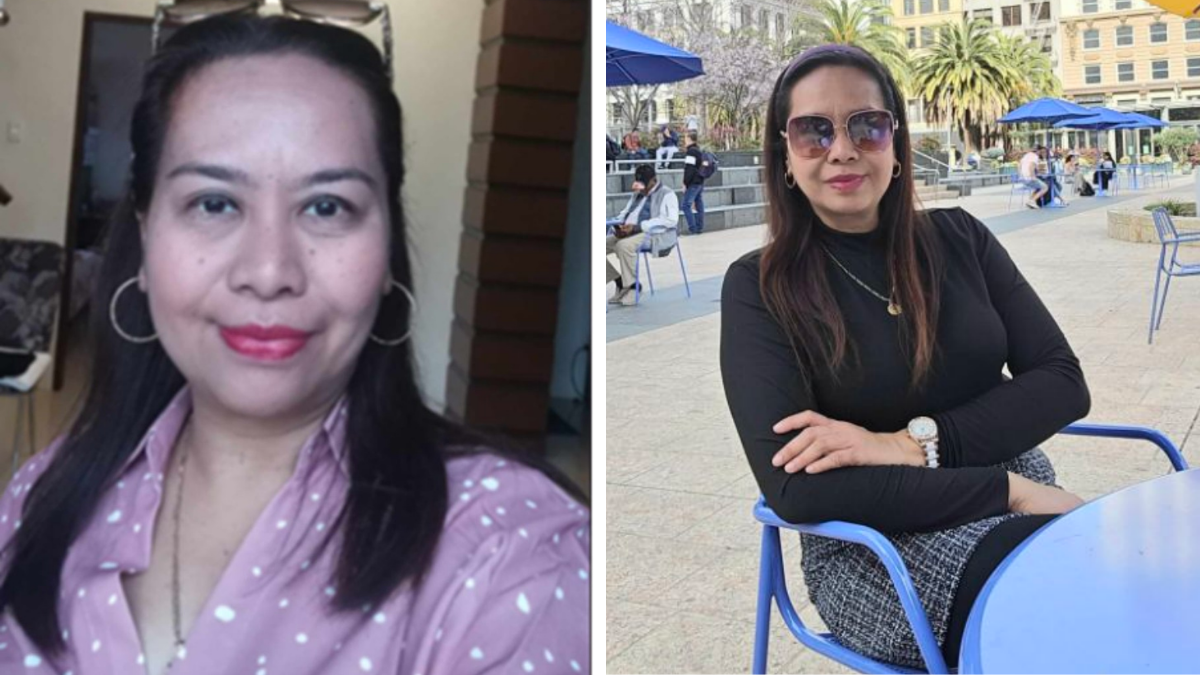

She left everything familiar behind, crossed an ocean, and built a life in service of students the world too often overlooks. Ma Corazon Quinay grew up in Calbiga, Samar, the daughter of educators, in a household where teaching was not a career choice but a kind of inheritance. Decades later, she carries that inheritance into a high school in California — not as an ordinary classroom teacher, but as someone who works daily with students who learn, think, and experience the world differently.

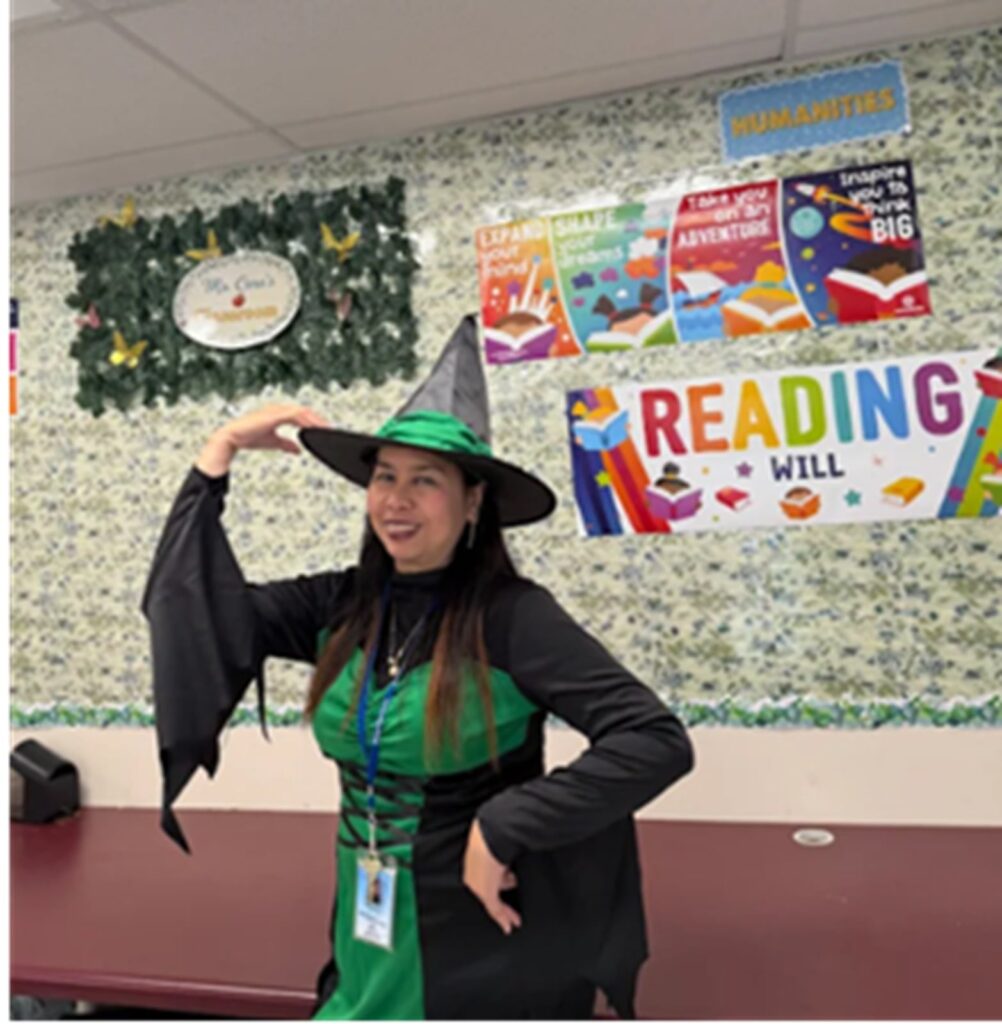
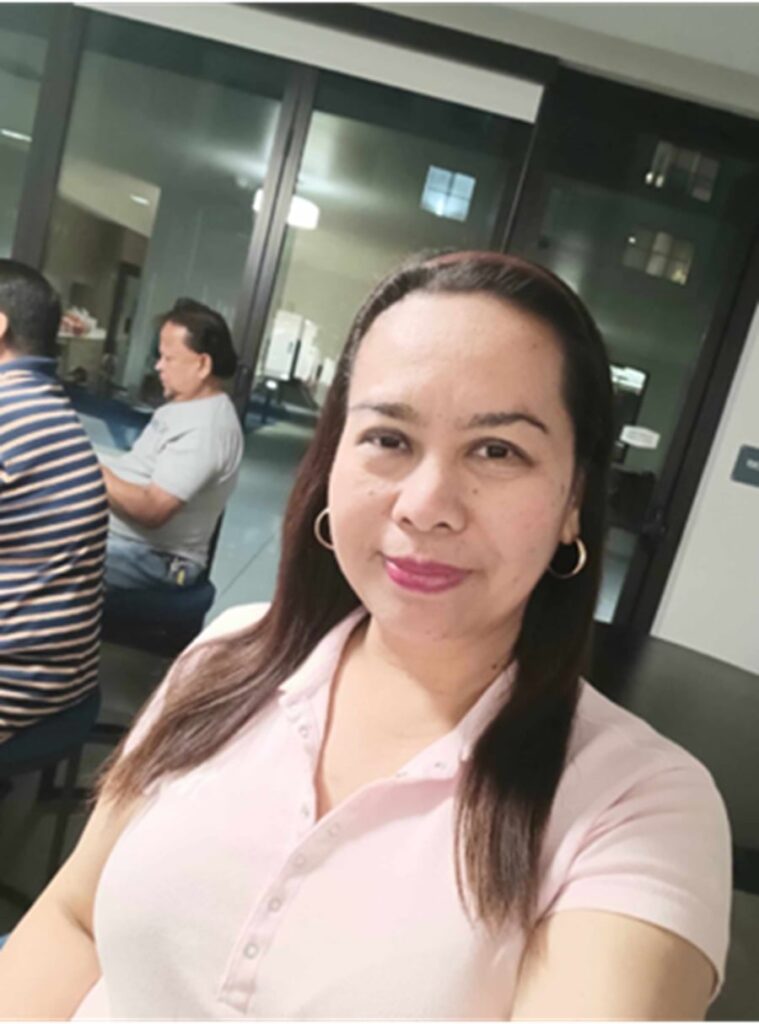
Her path was shaped by discipline and sacrifice, the kind most Filipinos abroad know well. She earned a Bachelor of Science in Mathematics with a major in Computer Science from the University of the Philippines in Cebu — as an Iskolar ng Bayan — then went further, completing a Master of Arts in Education with a specialization in Special Education from Cebu Technological University. She later added CLAD certification through the University of Phoenix and pursued advanced reading studies at UC San Diego. By the time the J-1 cultural exchange program opened the door to the United States, she was more than ready.
“The J-1 program gave me a platform to grow, to serve, and to represent the Filipino educator on a global stage,” she shared with TGFM.
She arrived with credentials and conviction. She stayed because she found her work.
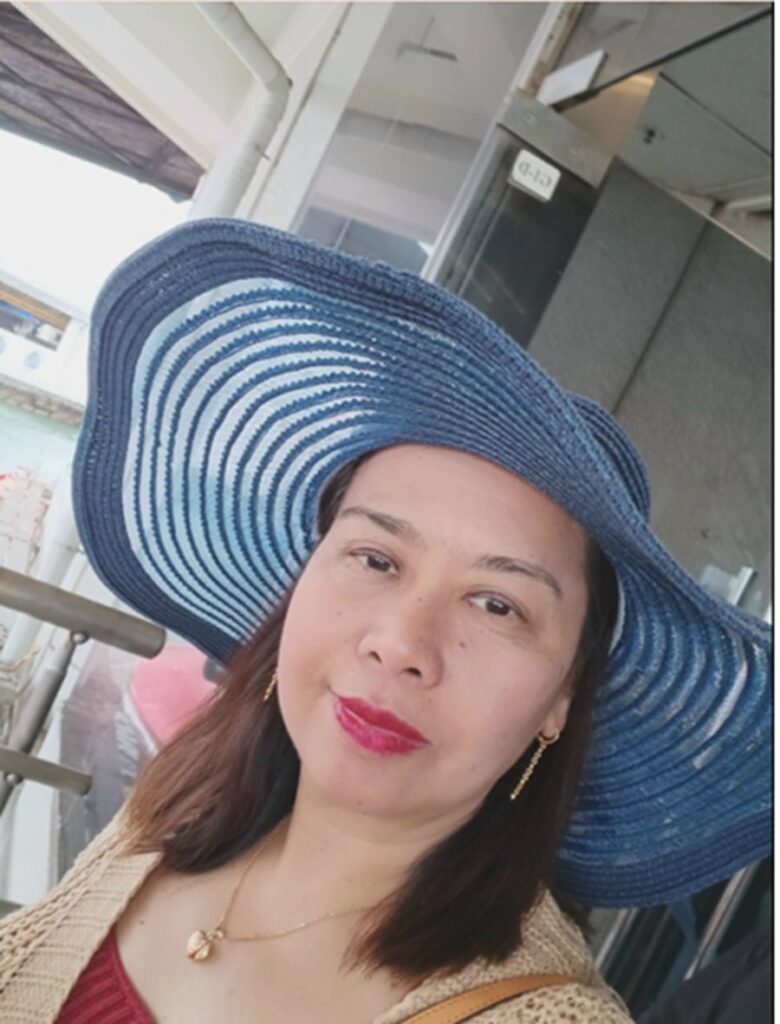
A classroom built on belief
At Oceana High School in the Jefferson Union High School District in Daly City, California, Quinay serves as an Education Specialist and Case Manager — a role that places her at the center of some of the most demanding and meaningful work in education. Her students require individualized instruction, behavioral support, and life skills development. Progress is not always measured in test scores. Sometimes, it is measured in a student speaking up for the first time, completing a task independently, or simply showing up ready to try.
“I always tell my students that progress looks different for everyone. What matters is that we keep moving forward,” she said.
Her practice draws on assessments including the WIAT, Brigance, ELPAC, and CASSP, tools that help her team build education plans grounded in each student’s specific needs. She integrates platforms like TeachTown, IXL, Boom Learning, and Kahoot! to create differentiated learning experiences that are both accessible and engaging. None of this, she would be quick to point out, replaces the human core of the work — patience, attentiveness, and the belief that every learner is capable of growth.
“Every challenge I faced became part of the foundation that prepared me for the work I do today,” she said. “Hard seasons taught me resilience, humility, and purpose.”
Leading beyond the lesson plan
Quinay does not limit herself to her caseload. As a member of the Academic Council, she contributes to shaping school programs and educational policy, offering the perspective of both a specialist and an immigrant educator who understands firsthand what it means to navigate systems that were not built with you in mind.
As a Community Club Advisor, she creates structured spaces where students with social and communication challenges can build friendships and develop a sense of belonging. As a Senior Exhibition Mentor and Evaluator, she guides students through the development and presentation of capstone projects — walking them through the full arc of an idea, from conception to delivery.
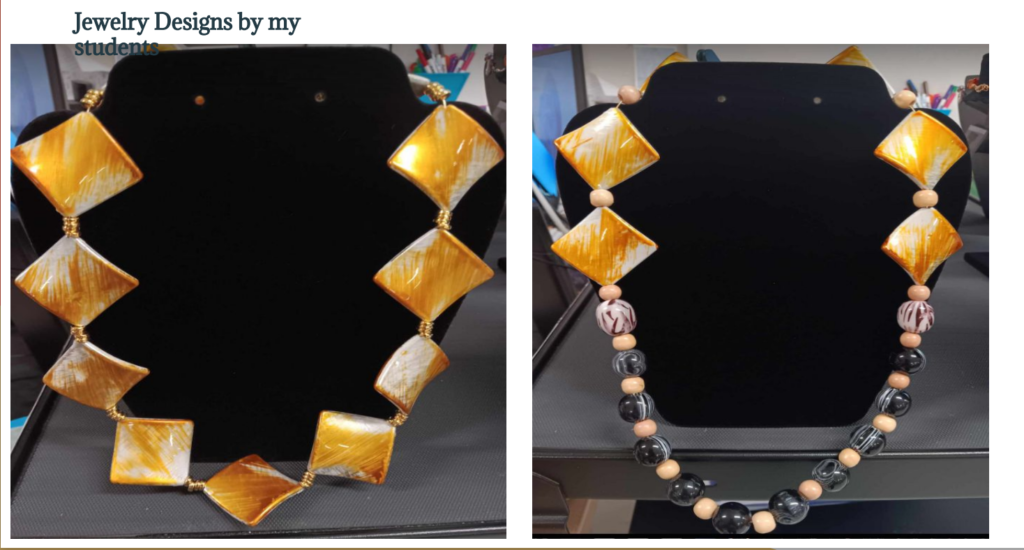
She has also developed and facilitated programs in Jewelry Making and Perfumery for students across both general and special education, weaving vocational exploration into functional academic skill-building. The programs are deliberately hands-on: students practice fine motor skills, creativity, communication, and real-world application — competencies that matter far beyond the school year.

“True leadership means lifting others while you rise,” she said.
Art, culture, and the craft of connection
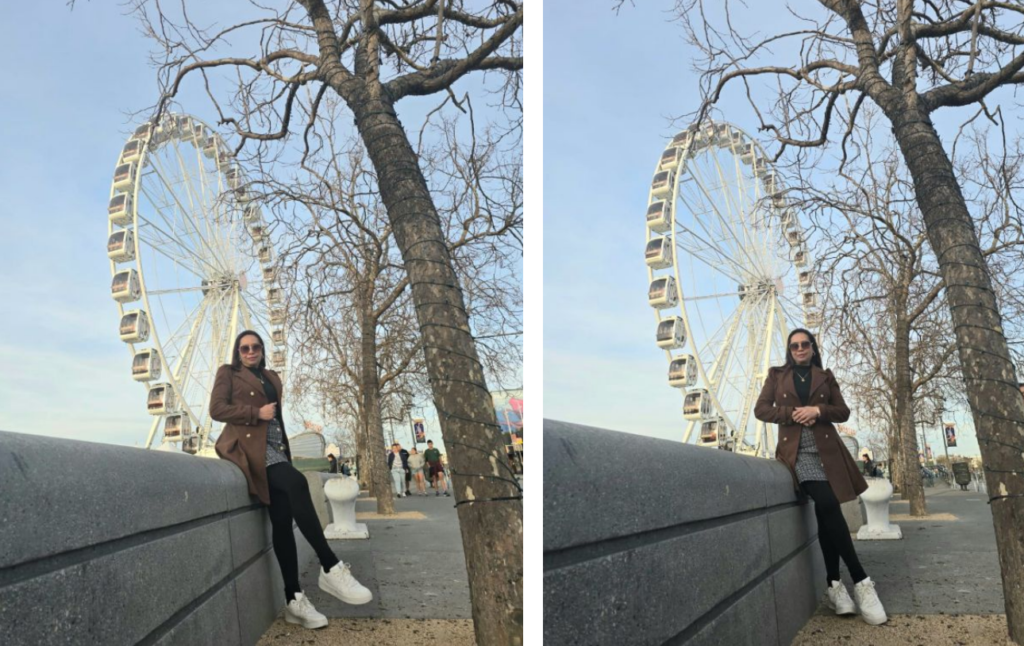
Away from IEPs and lesson plans, Quinay makes jewelry — pieces that are Filipino-inspired in their aesthetics and intentional in their storytelling. Her handcrafted work reflects a sensibility she brings into the classroom as well, using art as a way to connect students to culture, to each other, and to themselves.
“Jewelry is more than decoration. It tells stories, carries memory, and connects cultures,” she said.
She also dances. During the Daly City Filipino Community’s Filipino-American Heritage Month celebration, she performed Singkil, the traditional royal court dance of the Philippines — a work of precision and grace that carries centuries of culture in its movements.
“When I dance Singkil, I carry generations of culture with every movement,” she said.
For Quinay, culture is not something to be set aside when you cross a border. It is something you carry with you and offer outward, especially when you are far from home.
What greatness looks like
She has built a life that resists easy summary — educator, case manager, cultural advocate, jeweler, dancer, mentor. In each role, she is guided by the same Filipino values she absorbed growing up: malasakit, resilience, and care rooted in community. These are not abstract principles for her. They show up in how she designs a lesson, writes an IEP, coaches a student through a presentation, or fashions a piece of jewelry that carries a story.
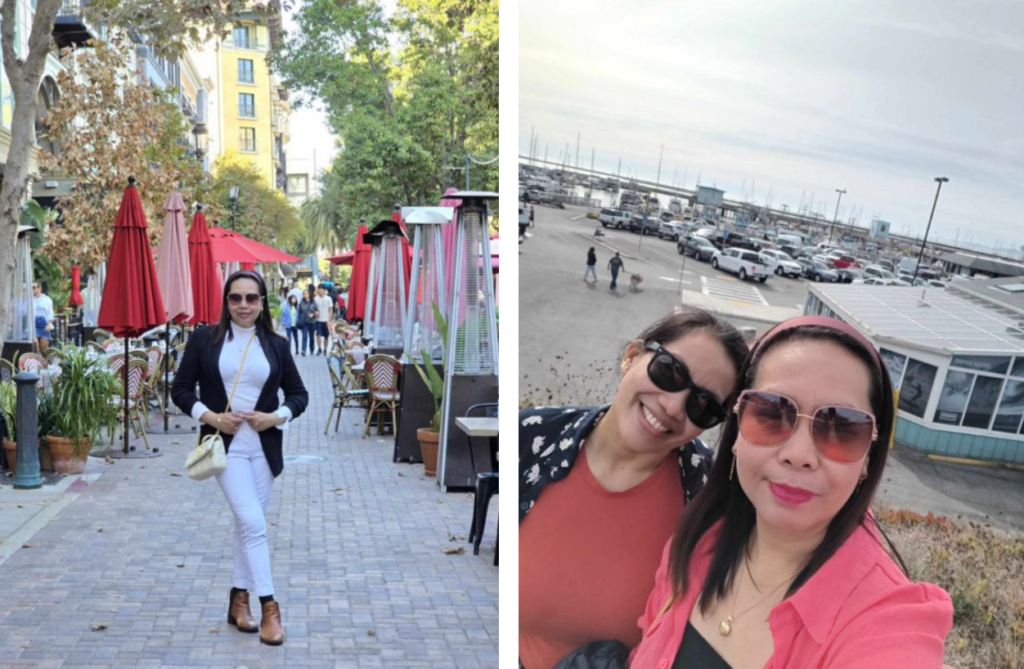
To Filipinos still at the starting line of their own journeys abroad, she offers something understated and direct.
“Do not underestimate humble beginnings. Stay faithful, keep learning, and never forget where you came from. Your story can inspire others too.”
From Calbiga to California, hers certainly has.
