



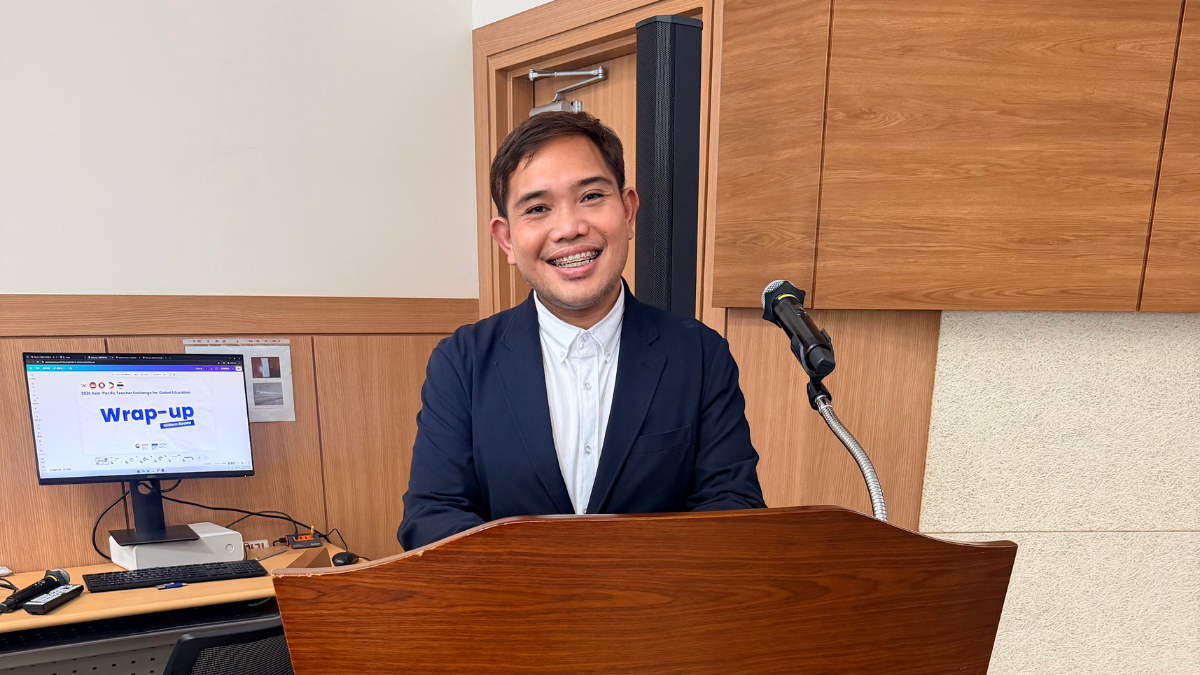

Most exchange programs are measured in credentials earned and boxes checked. The ones that matter are measured in something harder to name — the way a teacher comes home carrying more than they left with. That was the case for Rogar R. Garcia, a Master Teacher II in science at Francisco Bangoy National High School in Davao City, who spent three months in a South Korean classroom and returned convinced that education has no borders at all.

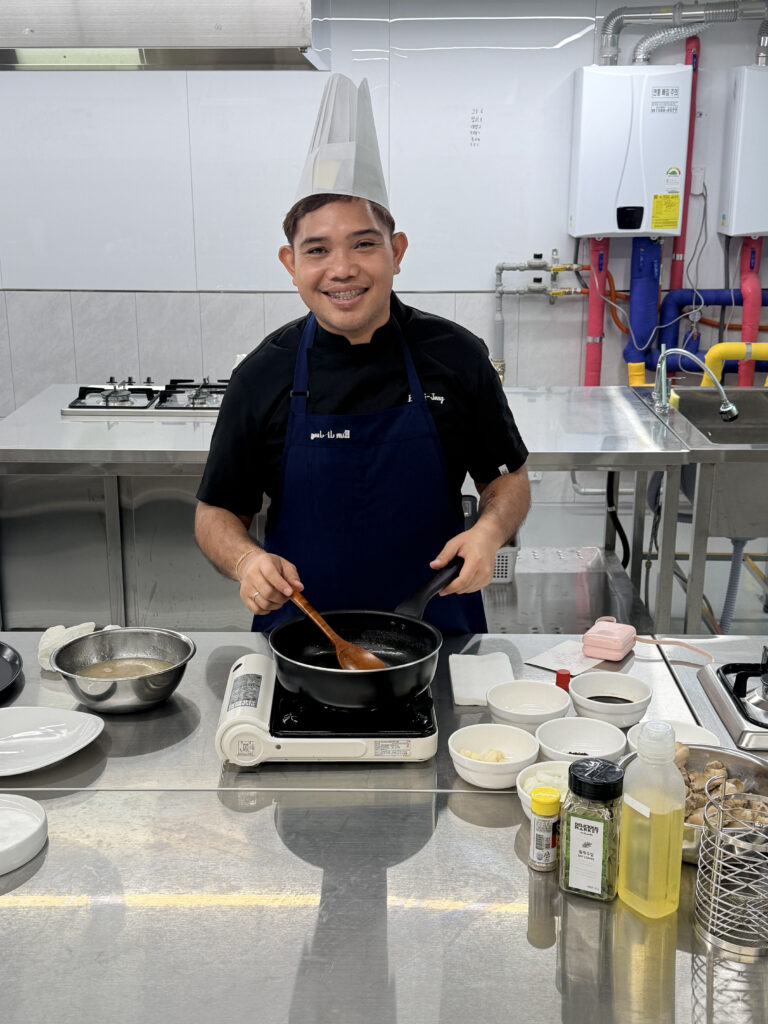
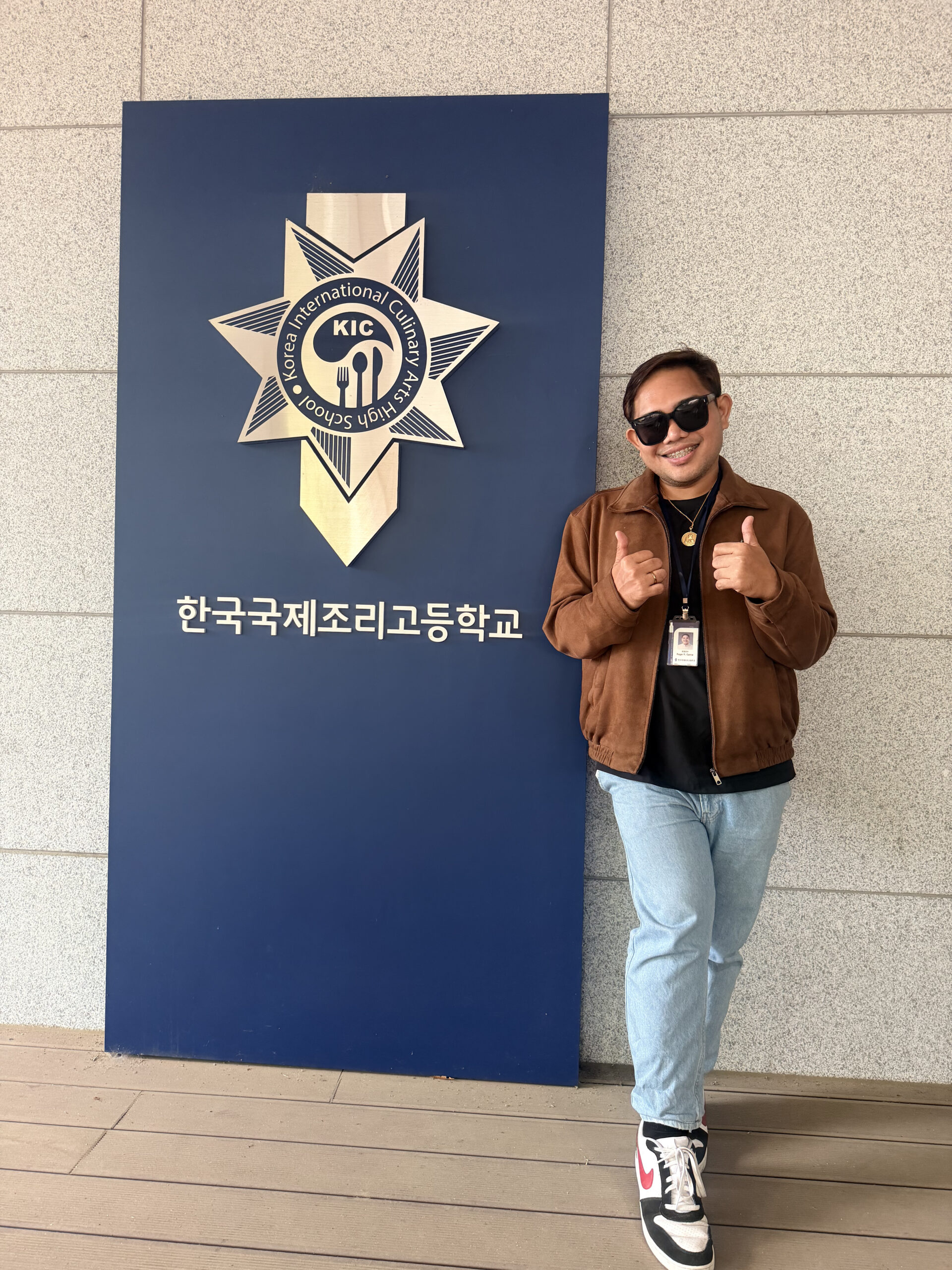
Selected in April 2026 as one of the Philippine delegates to the Korea–Philippines Teachers Exchange Programme — a partnership among the Republic of Korea’s Ministry of Education, UNESCO APCEIU, and the Department of Education — Garcia was deployed to Korea International Culinary Arts High School in Yeongju. It was his first professional assignment abroad, and it came after more than 17 years in Philippine classrooms.
A competitive call, a humbling answer
The selection was not a lottery. Chosen through what he describes as a highly competitive process, the 38-year-old educator was tapped on the strength of his teaching record, leadership, research, and commitment to Global Citizenship Education. He does not frame it as a personal triumph so much as a responsibility handed to him.
“Being selected as one of the Philippine delegates to the UNESCO APCEIU Korea–Philippines Teachers Exchange Programme was one of the greatest honors of my career,” he says. He was, in his words, “humbled to represent Filipino educators through my teaching experience, leadership, educational innovations, research, and commitment to Global Citizenship Education.”
For someone who has spent nearly two decades mentoring fellow teachers, developing learning resources, and guiding graduate students in science education, the assignment was less a departure than an extension — the same work, carried onto an international stage.
Juan meets Lee
What Garcia brought with him to Yeongju was not just a Filipino teacher’s perspective but a fully formed idea. At Korea International Culinary Arts High School, he implemented an innovation he calls “Juan Meets Lee: A Digital Journey of Culture, Connection, and Global Citizenship” — a game-based approach that ties intercultural understanding to the Sustainable Development Goals.
The premise is in the name. Juan, the everyman of Filipino shorthand, meets Lee, his Korean counterpart, and the two become a vehicle for students on both sides to see one another. The former classroom research he had built at home found a new audience, and the science teacher found himself collaborating with Korean educators inside a school system markedly different from his own.
That difference was the point. “Working in a different cultural and educational environment allows me to broaden my perspective, learn new teaching methodologies, and collaborate with educators from diverse backgrounds,” he says. “It challenges me to become more adaptable, innovative, and globally minded.”

The part no one sees
From the outside, an international teaching placement reads like a highlight reel — new country, new colleagues, a line on the résumé that opens doors. The reality Garcia describes is quieter and harder. Leaving his family, navigating a language barrier, and adjusting to an unfamiliar education system asked for a kind of resilience the brochures rarely mention.
He chose not to treat any of it as an obstacle. “Rather than seeing these challenges as obstacles, I embraced them as opportunities to grow,” he says. What carried him through, he is quick to credit, came from outside himself: his faith, his family back home, and the people who took him in at his host school.
He names them specifically — his mentor, Ms. Eunji Jang, along with the administrators, teachers, staff, and students who, as he puts it, “welcomed me with kindness and made me feel at home.” It is a telling instinct in a man returning from abroad: to talk less about what he accomplished and more about who made the accomplishment possible.
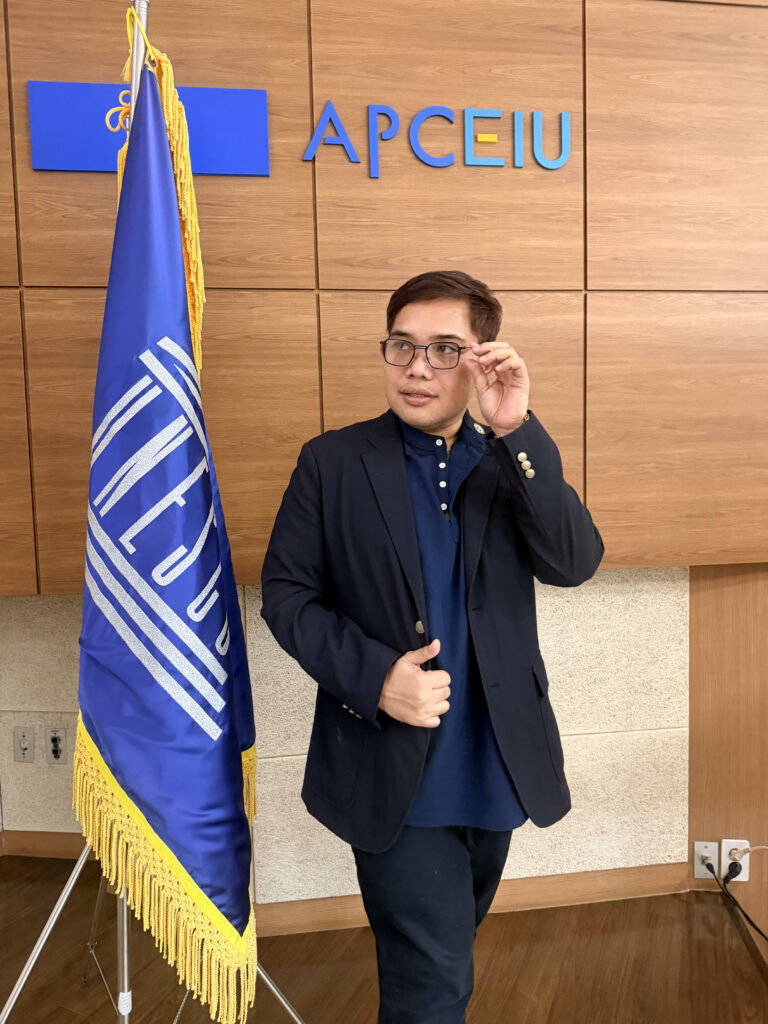
For the Davao educator, that human ledger is the real souvenir. He returns, he says, “not only with unforgettable memories but also valuable knowledge, best practices, and my educational innovation” — the friendships weighted as heavily as the professional gains.
Coming home with something to give
Garcia is clear that the exchange was never meant to end at his own growth. His stated aspiration is to become “a catalyst for positive change in Philippine education,” and the plan is concrete: share the best practices he observed, foster international partnerships, and push innovative teaching into more Filipino classrooms.
His advice to kababayans abroad carries the same double vision — the practical and the rooted. Stay true to your values, he tells them, manage your finances wisely, build relationships on trust, and never be afraid to ask for help. But hold onto one thing above the rest. “Never forget your Filipino identity,” he says. “Wherever you are, represent our country with integrity, humility, and compassion.”
It is the through-line of everything he describes, and it doubles as the creed he teaches by: teach with purpose, lead with heart, serve beyond borders. Three months in a Korean classroom did not give the science teacher that conviction. It confirmed it — and sent him home to prove it.
