



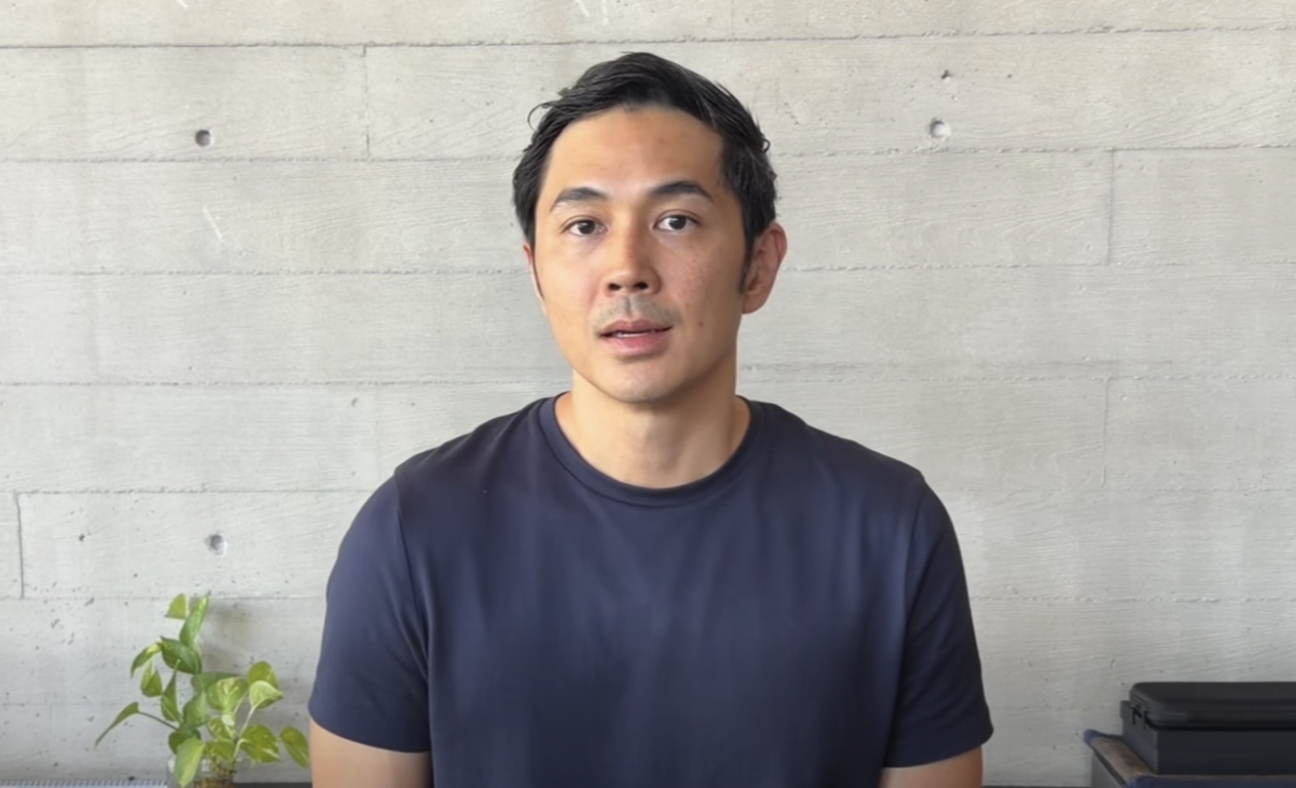

A university study clearing his hillside development of blame prompted celebrity engineer Slater Young to speak publicly for the first time about the Typhoon Tino flooding controversy that shadowed his family for months.

Young, co-founder of the luxury Monterrazas de Cebu project in Barangay Guadalupe, Cebu City, posted a video statement on April 19, citing findings from the University of the Philippines Institute of Environmental Science and Meteorology (UP-IESM) released in March 2026. The study concluded that the primary driver of the catastrophic flooding was extreme rainfall, not the mountainside development.
“Typhoon Tino dumped over a month’s worth of rainfall on Cebu in one single day. And that amount of water would have flooded those areas regardless of what was or was not built,” he said.
The UP-IESM simulation found that the Monterrazas project had little to no effect on flood severity. In certain scenarios, the development’s detention ponds actually reduced water runoff compared to the site’s original terrain condition. Young cited the figure himself, stating that the ponds “caught and held back up to 99.74% of the excess rainwater… releasing it slowly instead of letting it all rush downhill all at once.”
“The science does not just say we did not cause the flooding—it says that the systems we have built in place help reduce it,” he said.

The project drew intense public criticism after Typhoon Tino struck the Philippines in November 2025, killing nearly 100 people and submerging parts of Cebu. Residents and online communities linked the flooding to the development’s mountainside location and alleged deforestation, prompting the Department of Environment and Natural Resources (DENR) to halt construction and launch an investigation that initially found several violations. The developer, 8990 Monterrazas Corporation, paid a ₱400,000 fine in February 2026. The DENR lifted the stoppage order on April 6 after determining the company had met its regulatory obligations.
Young said his family’s months-long silence was a deliberate choice, not an avoidance of accountability.
“We held back because we believed that the right thing to do was to let the proper investigations run its course… and let the science and evidence speak,” he explained, adding that the family endured “a great deal of criticism” during that period.
He opened his statement by acknowledging the human cost of the disaster. “Like many of you, our family was deeply saddened by the devastation of Typhoon Tino,” he said, extending condolences to those who lost loved ones.
Young closed by drawing a line on what he described as deliberate misinformation. “We respect everyone’s right to their own opinion. But we will not stay silent in the face of deliberate misinformation,” he said, signaling his readiness to take protective legal steps if necessary.
