



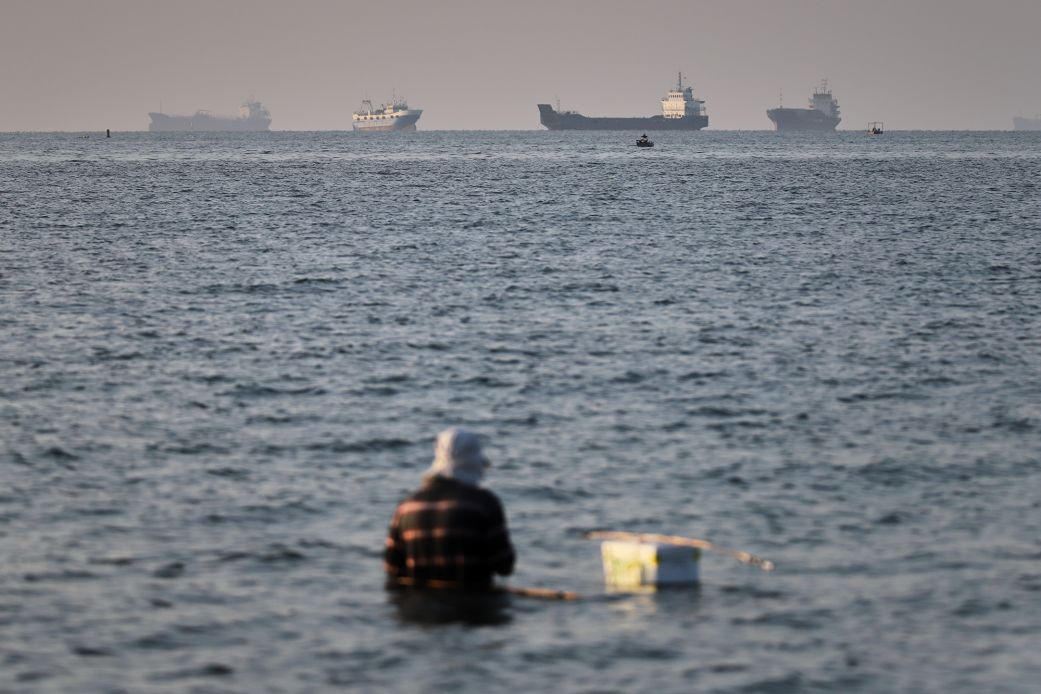

Vessels crossing the Strait of Hormuz will not pay charges tied to security, safety, environmental services or insurance during a two-month window, after Tehran’s maritime regulator suspended the planned fees while it negotiates a longer-term arrangement with Washington.

The Persian Gulf Strait Authority (PGSA), the body Iran set up to oversee traffic through the chokepoint, said operators that want to use the passage in this interim stretch must lodge a transit request no later than 48 hours before a ship reaches the waterway. Advance coordination of routes and sailing schedules stays compulsory, the authority said, because parts of the strait remain hazardous due to mines and other obstructions left over from the recent fighting.
The exemption flows from a memorandum of understanding concluded between Iran and the United States this week, an accord aimed at easing tensions and creating room for further talks. Middle East Eye and Geneva Solutions have reported the framework as the Islamabad Memorandum of Understanding, with a 60-day ceasefire at its core. The Strait of Hormuz, roughly 21 nautical miles across at its tightest point, sits between Iranian and Omani waters and handles a large share of the crude oil and liquefied natural gas moving by sea, making it one of the world’s most sensitive maritime corridors.

Whether Iran can lawfully levy charges there at all has become a point of dispute. According to Geneva Solutions, US President Donald Trump described the waterway as permanently toll-free during the G7 summit in Evian, while Iranian officials maintain they intend to apply charges for navigational and environmental services. Robert Kolb, a law professor at the University of Geneva, told the outlet that fees would clash with the right of transit passage through a strait connecting two areas of high seas or exclusive economic zones used by international shipping.
That legal friction explains why the suspension is framed as temporary rather than permanent. Reporting by Middle East Eye, citing a PGSA letter circulated among shipping firms and the maritime publication Lloyd’s List, indicates the authority is preparing to introduce an insurance charge once the 60-day period lapses, with Tehran covering all costs in the meantime. The same letter sets out a fixed route past Iran’s Larak Island and warns that straying from it would be treated as a breach.
Established by Iran in May, the PGSA now handles transit applications and the issuing of permits, and has said it can impose penalties, withdraw passage rights or pursue legal measures against operators that fail to comply. The authority has been placed under US sanctions.
