



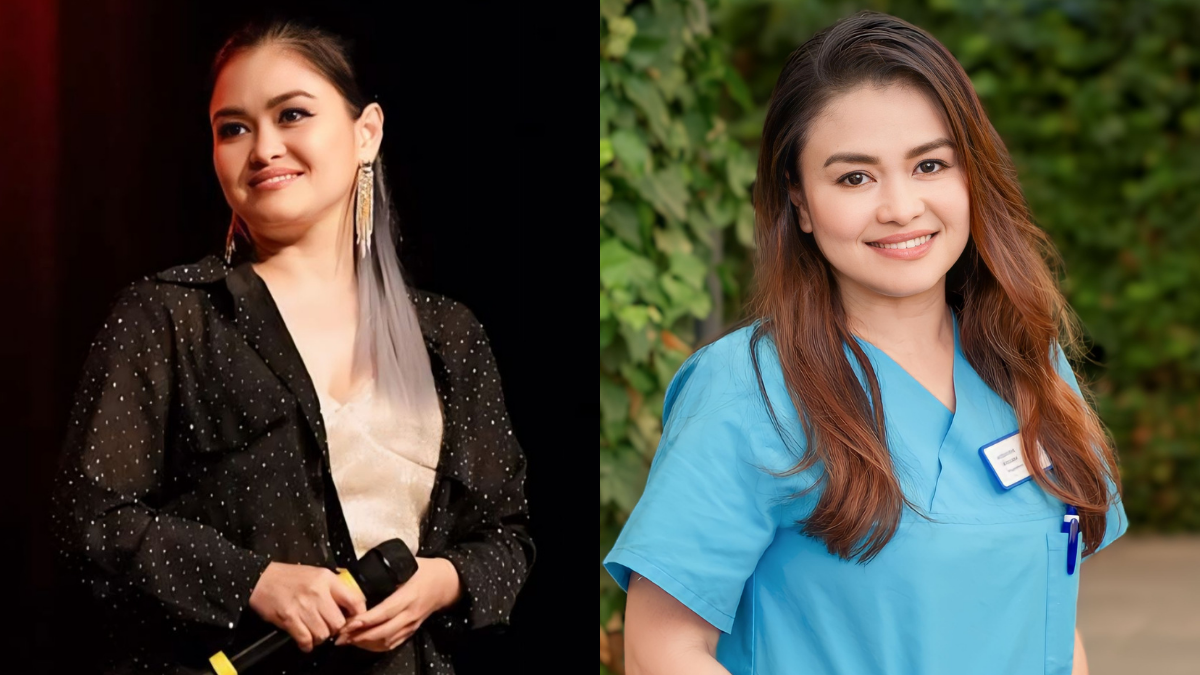

She grew up being told she would amount to nothing. Jacquiliene Javellana — known across Filipino communities in Germany as Nurse Jacky — has since performed for a sitting Philippine president, stood on stage before a Bavarian minister-president, and is completing a master’s thesis on the invisible wounds of migrant nurses. The distance between those two versions of her life did not happen in a straight line.

There is something many Filipinos will recognise in the beginning of her story — the family pressure, the financial calculations, the borrowed courage it takes to walk into a life that was never laid out for you. Nursing was not Jacky’s first dream. She wanted to go to sea, inspired by a brother already working abroad. But nursing, at that time, looked like stability. It looked like a way to lift a family.


So without telling her parents, she sat the entrance exam at the University of St. La Salle in Bacolod. When she passed, she thought she had found her footing. Then, at 18, her father died.
Starting over, more than once
She stopped school. Grief is expensive — not just emotionally, but practically. Her brother stepped in to cover tuition while she worked at a fast-food chain, took singing gigs on the side, and studied whenever she could. “Every peso mattered,” she recalls. “Every shift, every performance, every exam felt like a battle. But I kept going not because it was easy, but because I refused to quit.”
That stubbornness — the very quality that once made her the “black sheep,” the one relatives wrote off as “batang gala, batang kanto, walang mararating sa buhay” — became the engine that carried her through. She finished her degree, passed her boards, and when the pandemic struck the Philippines, she was there on the front lines as a COVID emergency nurse, working through the kind of chaos most people only watched on screens.

Saudi Arabia came next. She moved into paediatric and infection control nursing, growing her clinical range while learning to live somewhere that was not home. Eventually, Germany called — and she answered.
The language that made her feel small
Nothing about the transition to Germany was cinematic. The hardest part, she says, was not the cold or the paperwork or even the distance from family. It was the language.
“For someone who was confident and expressive back home, suddenly struggling to form sentences made me feel small — like I wasn’t being seen for who I truly am. There were days I felt dumb, not because I lacked knowledge, but because I lacked the words.”
Alongside that came something harder to name: the quiet, low-grade experience of being visibly different. “As an Asian in a new country, there were moments of quiet exclusion or things you couldn’t quite point out, but you could feel.” It wasn’t always loud or direct. But it accumulated. It tested something in her that clinical training does not prepare you for.

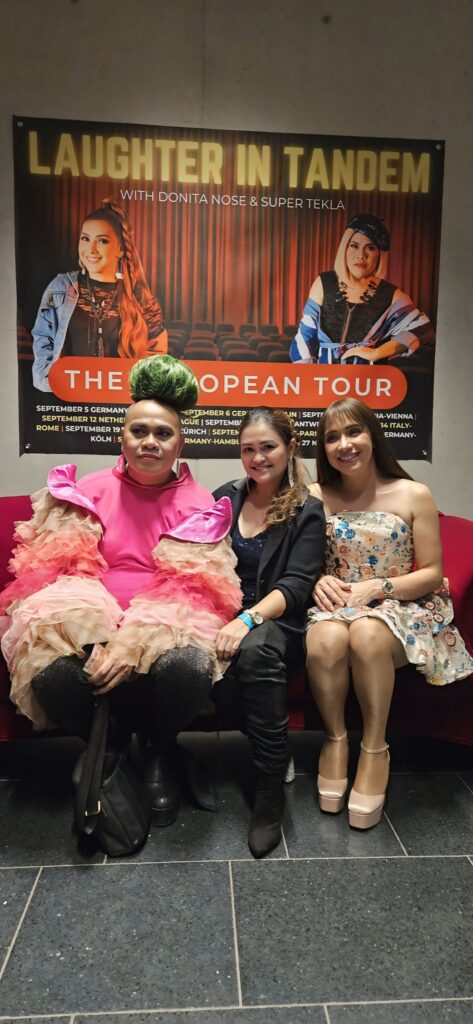
What carried her through, she says, was humility — accepting that starting over was not a failure but a phase — and faith. She prayed through the uncertainty. She listened more than she spoke. She celebrated small wins: being understood, understanding back. “Those early struggles stripped away my pride and rebuilt me stronger.”
She also found her people. The Filipino Nurses Association in Germany gave her community. And performing — something she had been doing since her student days to survive — gave her breath. Singing was never just a side interest; it was, and remains, the thing that keeps everything else from caving in.

A voice that reached unexpected rooms
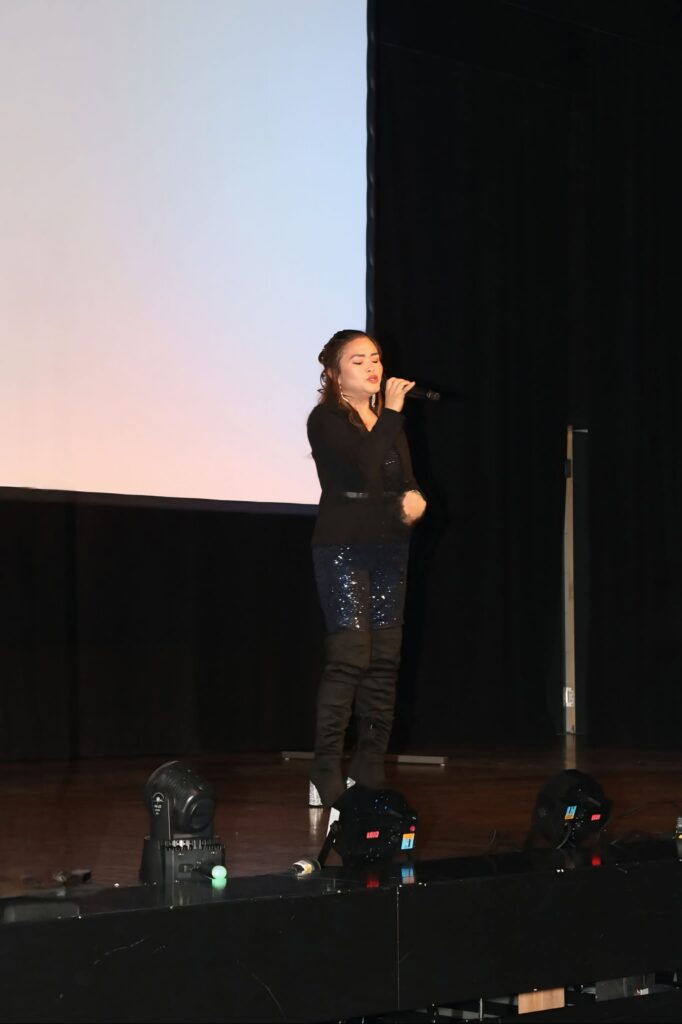
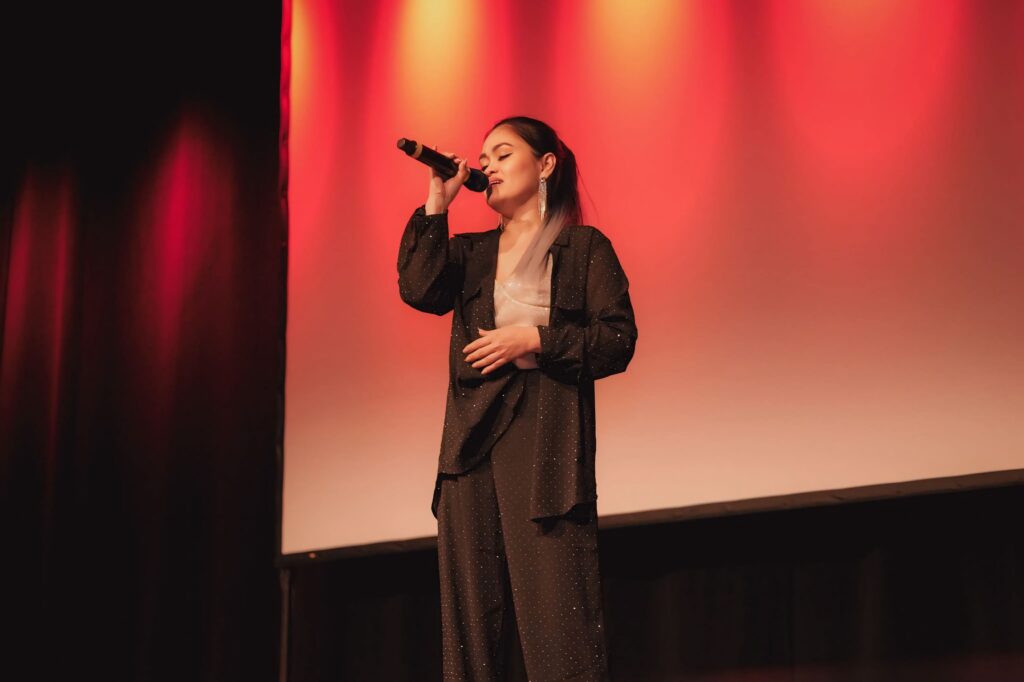
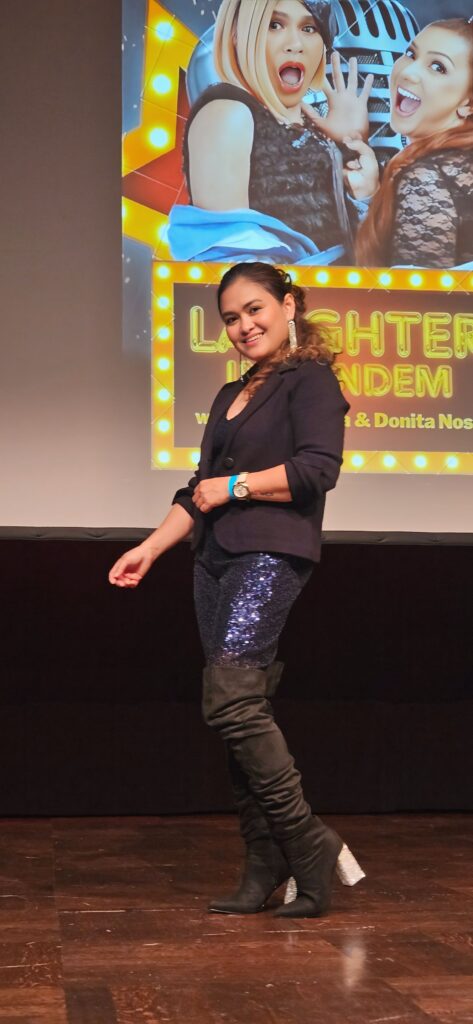
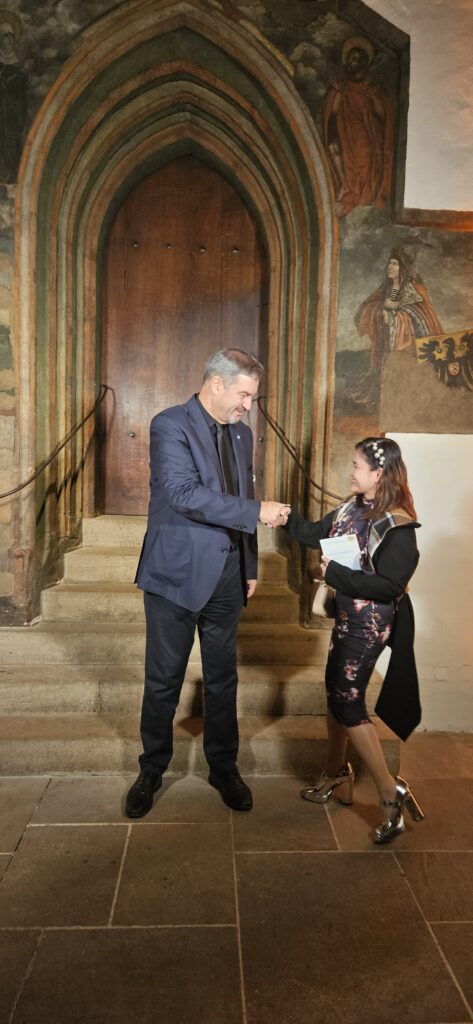
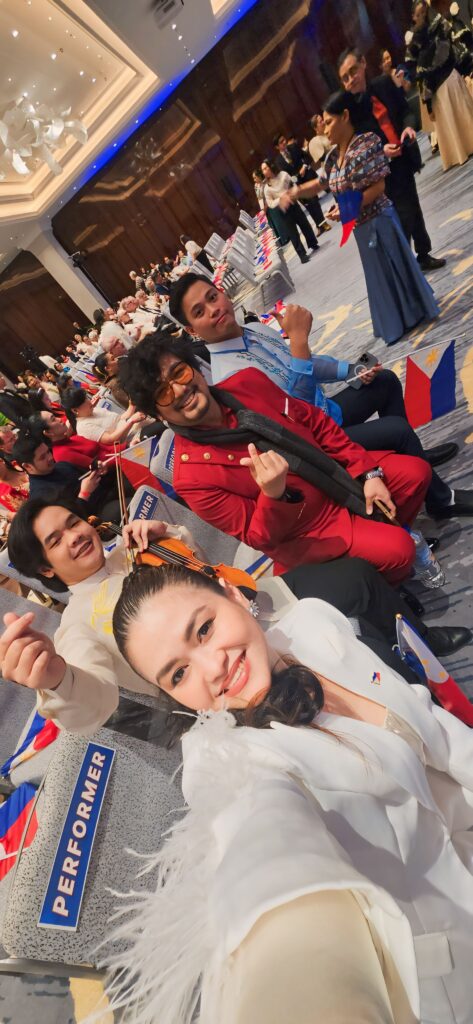
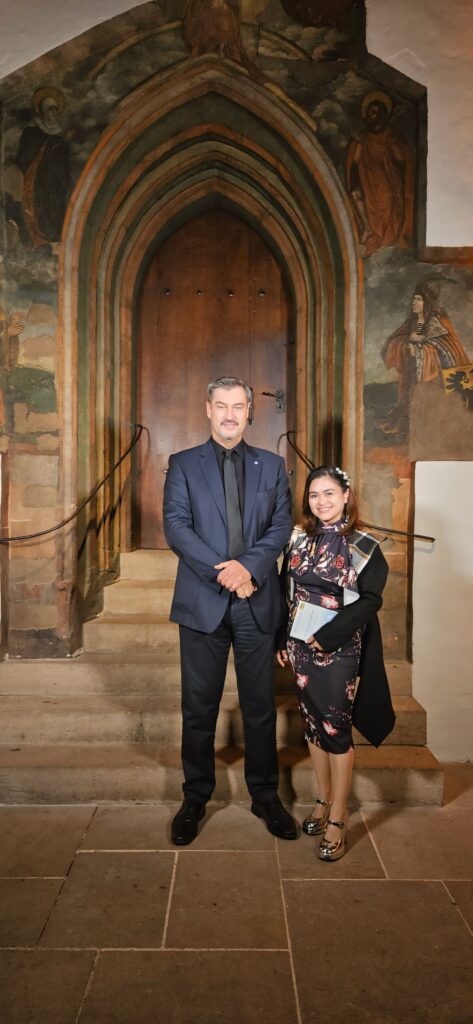
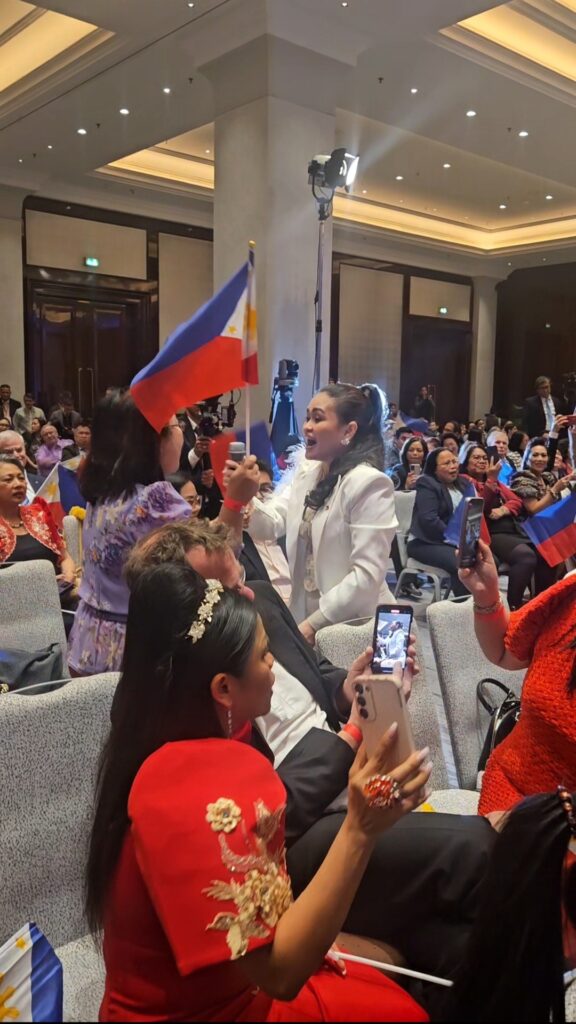
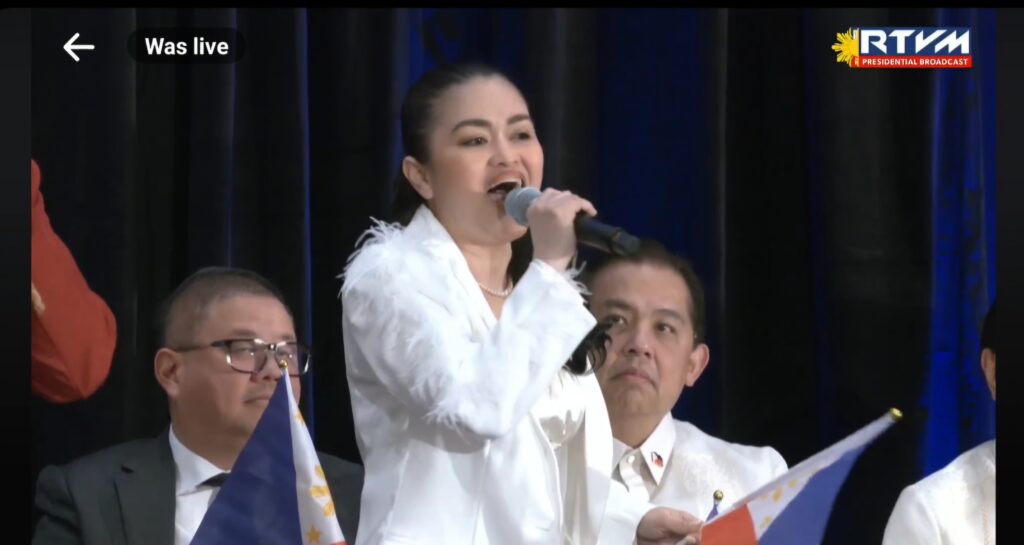
Jacky has performed at Filipino fiestas and German cultural events across the country, sharing stages with well-known Filipino artists. She has sung during a naturalization ceremony attended by Bavarian Minister-President Markus Söder. She performed in a setting witnessed by President Ferdinand Marcos Jr. during his official visit to Germany.
She does not treat these as trophies. “I often go back to that quiet thought: ‘I never imagined this life for myself,'” she says. “And maybe that’s exactly why I stay grounded — because I know where I started.”
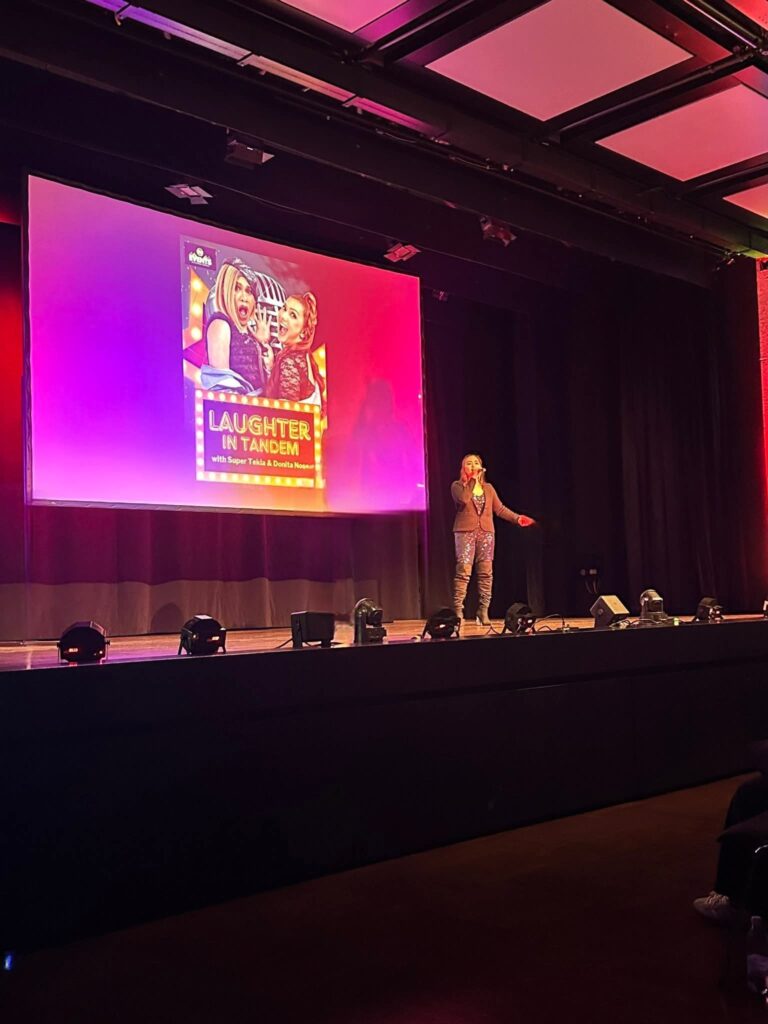

What runs through her mind before performing is not nerves about the audience. It is something more layered. “I carry every version of myself onto that stage — the young girl who was misunderstood, the nurse who worked through exhausting shifts, the immigrant who struggled with language and culture.” The performance, in her telling, is not personal ambition on display. It is a kind of proxy — for every Filipino who left home with a dream and a quiet fear of not making it.
“There’s something deeply humbling about realizing that your voice, something you once kept to yourself, can now reach rooms you never thought you’d enter.”
Research as witness
Now she is channelling that same sense of witness into academic work. Her master’s research — “Navigating Borders and Barriers: A Study on the Challenges and Coping Mechanisms of Nurses in Germany” — is an attempt to put language to what she and others like her have lived through quietly.
“The hardest battles are often the quiet ones,” she says. “The language barrier that makes you question your competence. The cultural differences that make you feel like an outsider. The pressure to prove yourself twice as much, just to be seen as equal.”
She is careful to note that she is not writing from a place of bitterness. The point is not sympathy but understanding. “Behind every migrant nurse is a story of sacrifice, resilience, and purpose. And sometimes, all we really need is for people to see that — and to treat us with the same respect and humanity we strive to give every day.”
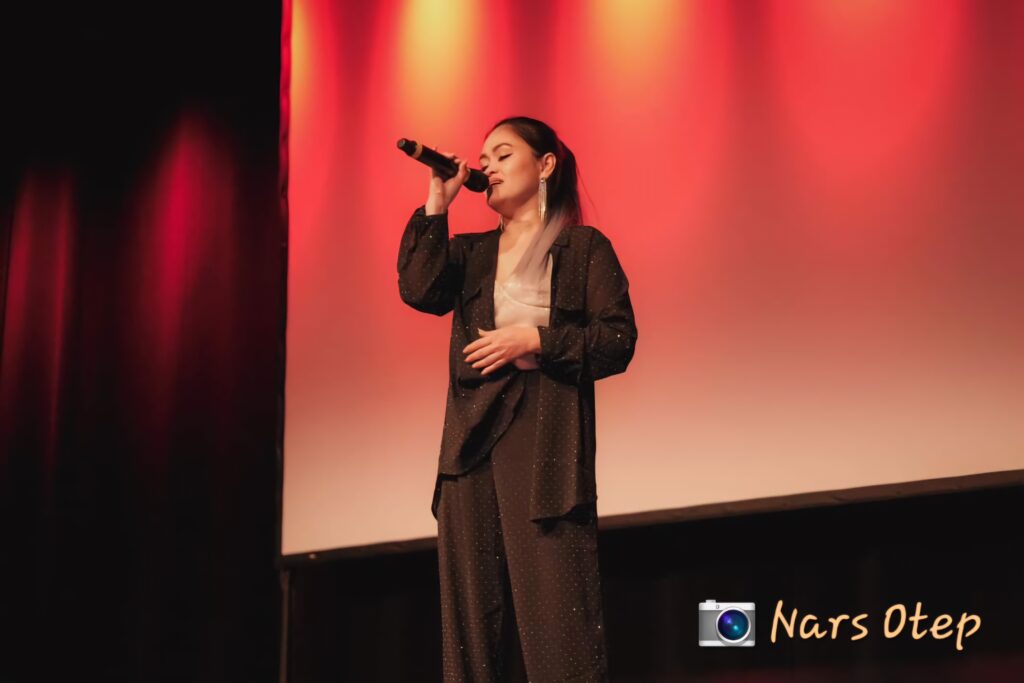

For young Filipino nurses standing at the edge of a similar leap, her advice is direct: “Being scared doesn’t mean you’re not ready. It means you understand how big the step is.”
She does not sugarcoat what lies ahead — the language, the loneliness, the moments of self-doubt. But she also says this: “You are not starting from zero. You are starting from experience.”
From a family that once doubted her, to stages where heads of state have listened, Jacky’s life resists any tidy lesson. What it offers instead is something more honest — proof that the paths we don’t plan can still lead somewhere worth arriving at.
