



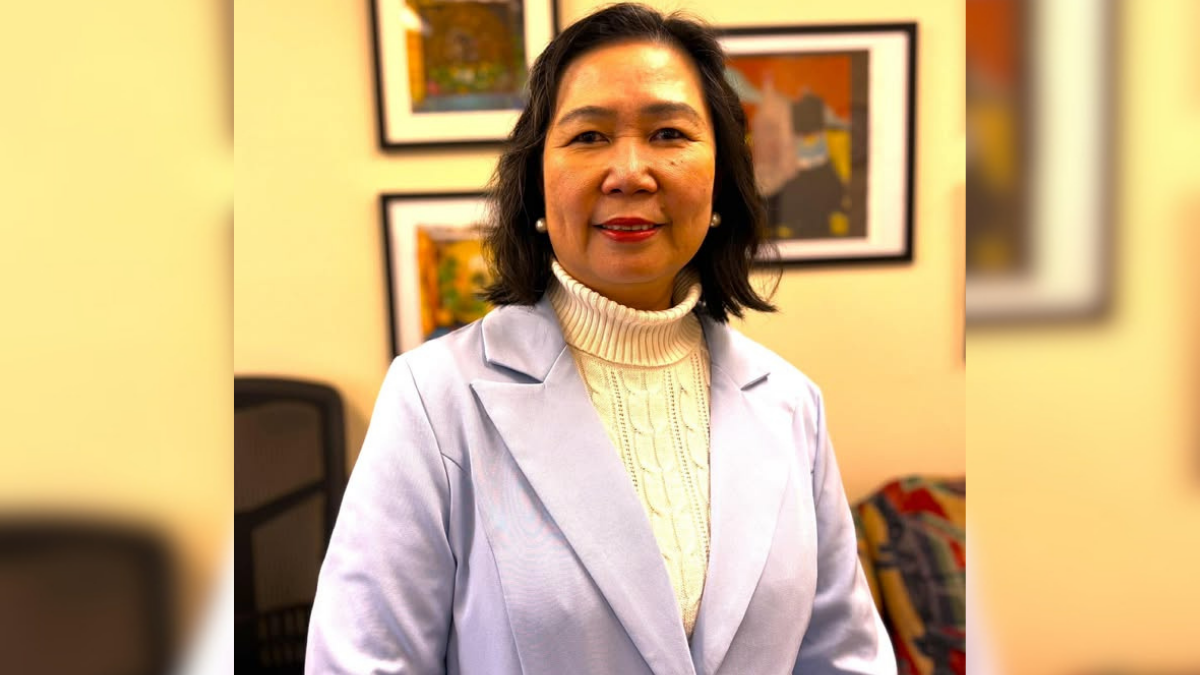

Marilou Cabrera-Areno was already good at her job — maybe too good. As a psychometrician at one of Manila’s most reputable security firms in the late 1980s, she was the kind of employee who refused to leave the office even when a typhoon flooded the streets outside. The company president once found her still at her desk mid-storm and demanded she go home. She left — but only after finishing her reports. A year into the job, she had already been named Employee of the Year. By all appearances, she was exactly where she should be.

And yet something felt missing.
A want ad that changed everything
It was a small notice buried in the classifieds — “Wanted: Pre-School Teacher” — that caught her eye one afternoon in 1989. She was on her lunch break, flipping through the daily newspaper, and something about those four words stopped her cold.
“I felt the urgent calling inside of me at that time,” she recalls. “However, I realized I am not a teacher. How can I teach? I am a Psychology graduate.”
She applied anyway. She got the job. And in June 1989, Marilou walked into a nursery classroom inside the village of Ayala Alabang in Muntinlupa — full of four- and five-year-olds — and never really left the world of education again.
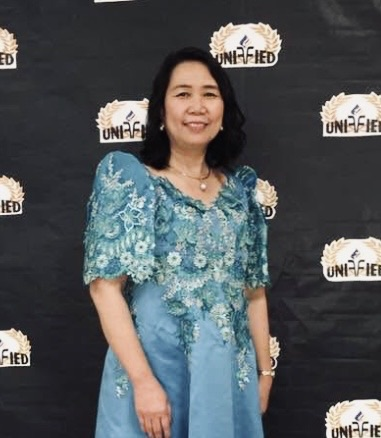
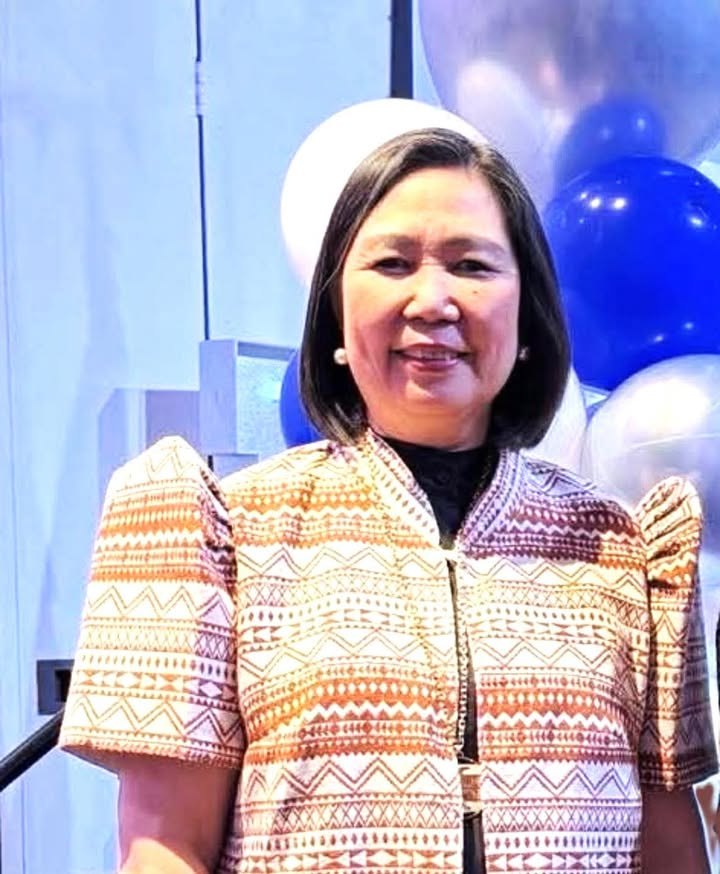
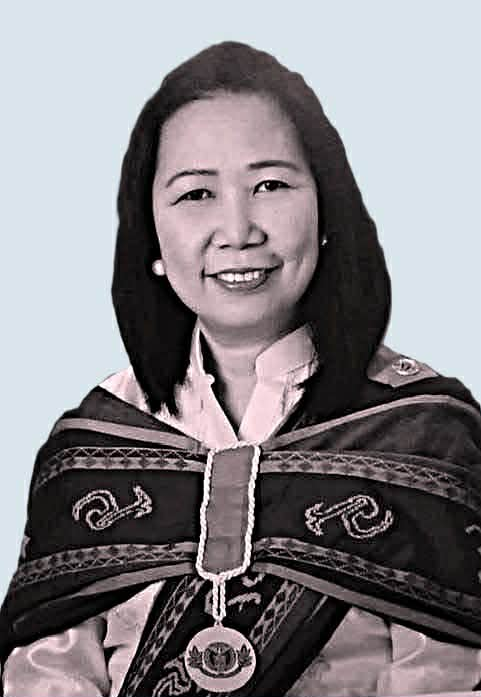
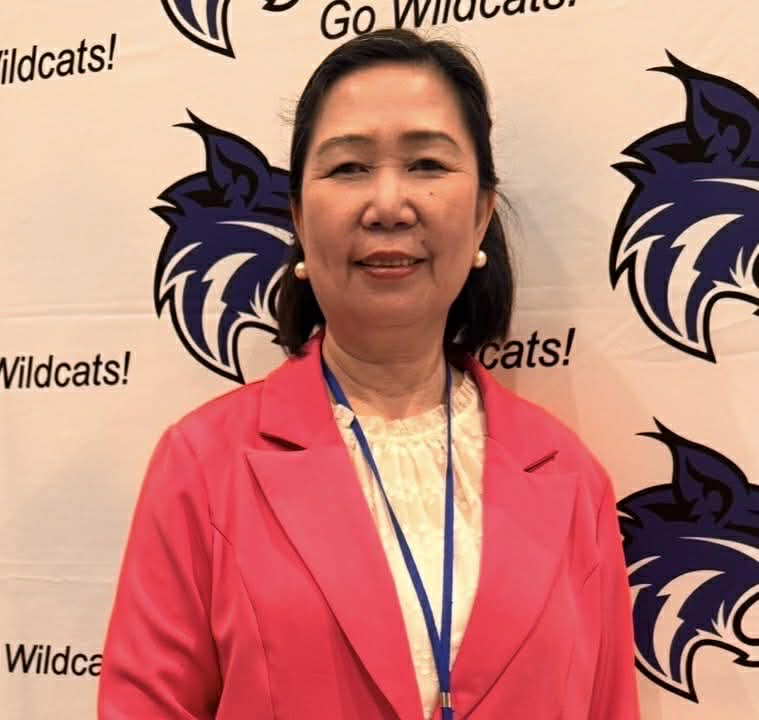
What followed was a career built not on one dramatic leap but on a steady, determined accumulation of roles, credentials, and responsibilities. From preschool teacher to grade school coordinator, from assistant principal to principal, from special education resource teacher to director, and finally, in 2017, to school superintendent. Today, at 62, Marilou Cabrera-Areno leads Dishchiibikoh Community School in Arizona — a position she has held for nearly a decade and one she says she may carry all the way to retirement.
The long road to Arizona
The move to the United States in 2006 did not happen by accident. After more than 15 years in Philippine schools — five of them as principal of The Learning Child School in Ayala Alabang — Marilou was ready for a new challenge. She arrived in Arizona in August 2006 under the J-1 Visa Teacher Exchange Program, hired as a special education resource teacher.
What she brought with her was a quietly formidable résumé: a bachelor’s degree in psychology, additional education units, a licensure examination she had taken specifically to qualify as a teacher, a diploma in special education, and a master’s degree from the University of Santo Tomas. She had spent years building the credentials that would open doors she hadn’t yet imagined.
Five years into teaching students with disabilities, she was offered the position of Special Education Director. The promotion meant more paperwork, more policy, more pressure — and the need for yet another credential. She enrolled in a second master’s program, this time in educational leadership, and went on to earn certifications from the Arizona Department of Education as a PK-12 principal, supervisor, special educator, and school psychologist.
“In order to achieve your dream, you need to work hard, you need to be dedicated to your profession, and at the same time do not stop learning,” she says. “There is really no shortcut in life.”
In 2017, when the superintendent position at Dishchiibikoh Community School opened up, she threw her name in among five candidates. She got the job. A year later, she took her oath as a naturalized United States citizen.

Beyond the school gates
Ask Marilou what she does outside of work and the answer comes quickly: she paints. She travels. She writes.
She has published seven children’s books, available on Amazon, Barnes & Noble, and Ingram Spark — including a memoir titled The Teachers Best Friend: The Journey, which traces her path from the Philippines to the American Southwest. There is also a series following a character named Benjamin, a superhuman boy who talks to flowers and saves the Earth. The books reflect the same instinct she’s always had: to teach, to reach, to connect with young minds even when she is technically off the clock.
“Being in the field of education for 37 years, I feel like I have so many invaluable ideas and skills that I can share to current and future educators,” she says.
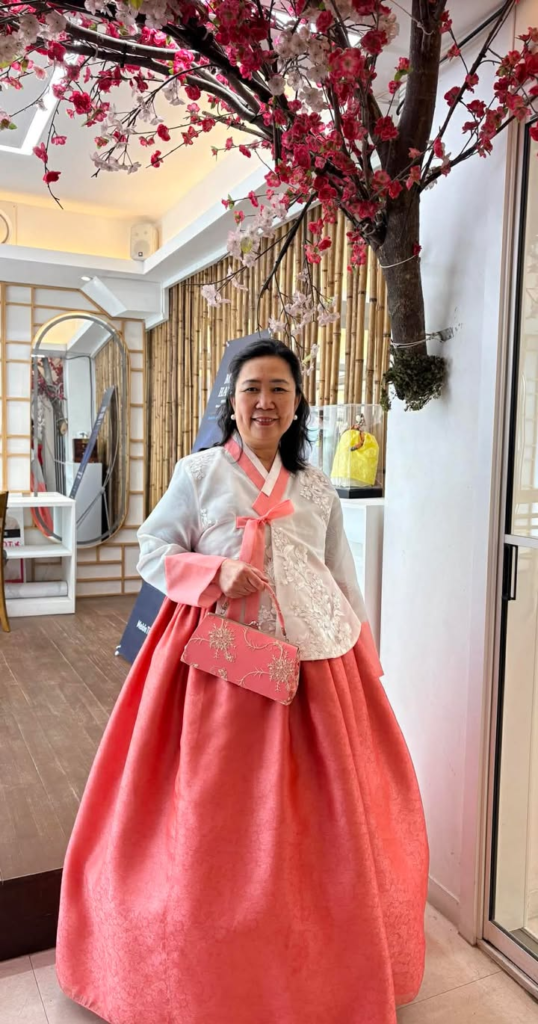
That impulse extends further still. Marilou hopes to establish a non-profit organization focused on education in rural and remote communities — a cause that feels personal for someone who once answered a tiny classified ad on a whim and discovered her entire life’s direction.
Her plan for retirement, at 65, is not exactly rest. She envisions a consultancy career supporting educators, continuing to write and paint, and traveling — all while staying rooted in the work that has defined her for nearly four decades.
Carrying your roots with you
For fellow Filipinos navigating life abroad, Marilou’s advice is grounded and unsentimental.
“Wherever we go, we need to bring our values and our roots with us, because that is our identity,” she says. “Always extend a helping hand, and surround yourself with positive people who are always happy to celebrate your success. Lastly, prayer is everything.”
She is careful not to romanticize the journey. Leaving family behind — parents, siblings, the rhythms of a familiar home — is hard, she acknowledges, and adjusting to a new climate, culture, and set of expectations takes time and energy that no job offer fully prepares you for. But the difficulty, she says, was always worth pushing through.
Her mantra — you only fail if you stop trying — is not a platitude so much as a lived record. It describes a woman who stayed at her desk during a storm because the report wasn’t done yet. Who applied for a teaching job with no teaching degree. Who enrolled in a second graduate program in her forties because a promotion required it. Who, after two decades in the United States and a shelf full of published books, is still thinking about what comes next.
The newspaper classifieds that started all of this are long gone. What remained was the instinct to respond when something calls — and the discipline to see it through, no matter how far it takes you.
