



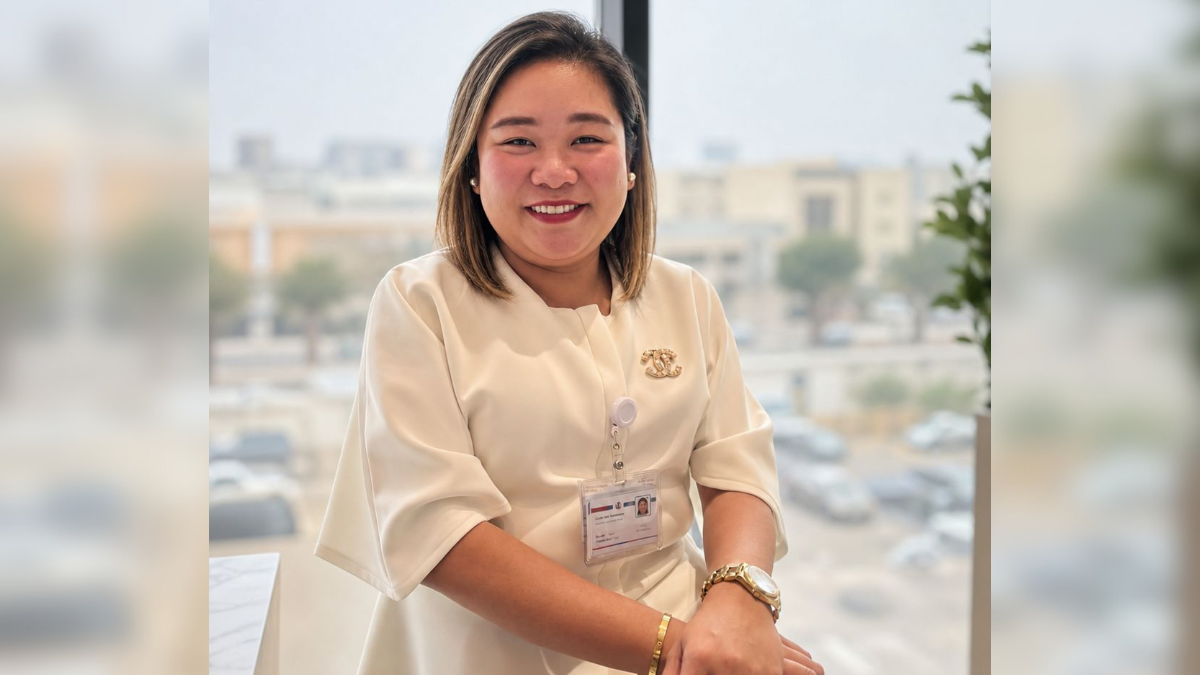

There is a version of success nobody talks about — the one built in the margins of missed calls, empty seats at family tables, and funerals attended only through a phone screen. For many Filipino healthcare workers abroad, the career milestones and the personal losses arrive in the same decade, sometimes the same year. Gertie Ruth Matammu knows this better than most.

At 36, the Filipina nurse-turned-quality officer has spent a decade in Saudi Arabia climbing a career ladder that most healthcare professionals spend an entire lifetime trying to reach. She is now the Quality and Training/Infection Control Officer at Remain Medical Group — a role that has her overseeing quality management systems across multiple medical complexes and fielding calls from other hospitals seeking her expertise. But the view from the top, as she will tell you plainly, was not free.
From bedside to boardroom
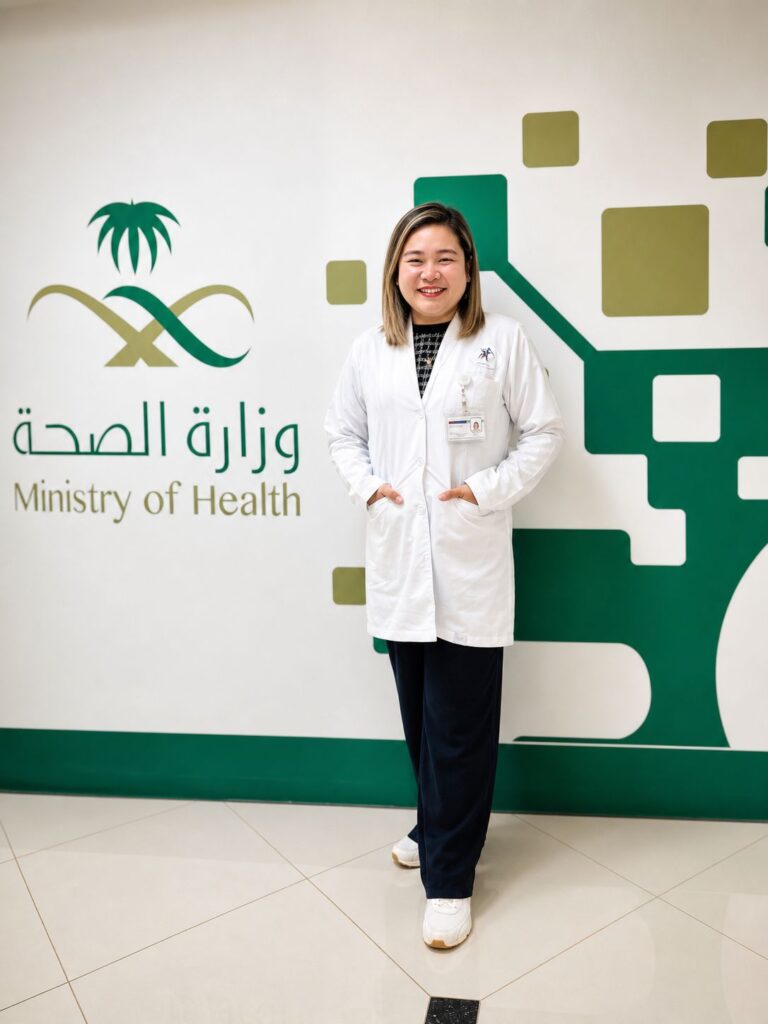
Gertie began her international career in 2015 as a staff nurse in Al Kharj, Saudi Arabia, where she spent three years building clinical fundamentals in patient care and hospital operations. It was solid, unglamorous work — the kind that teaches you how healthcare actually functions when the protocols meet real patients.
The pivot came in 2019, when she joined Family Care Hospital as an Infection Control Coordinator. The timing, though she could not have known it then, was remarkable. She would spend the next four years becoming a specialist in preventing the spread of disease within healthcare settings — a skillset that would become globally critical within a year of her appointment.
“I received extensive training and developed advanced expertise in infection prevention and control,” she recalls. “I successfully implemented infection control programs, strengthened compliance with healthcare standards, and contributed to improving patient safety outcomes across the organization.”
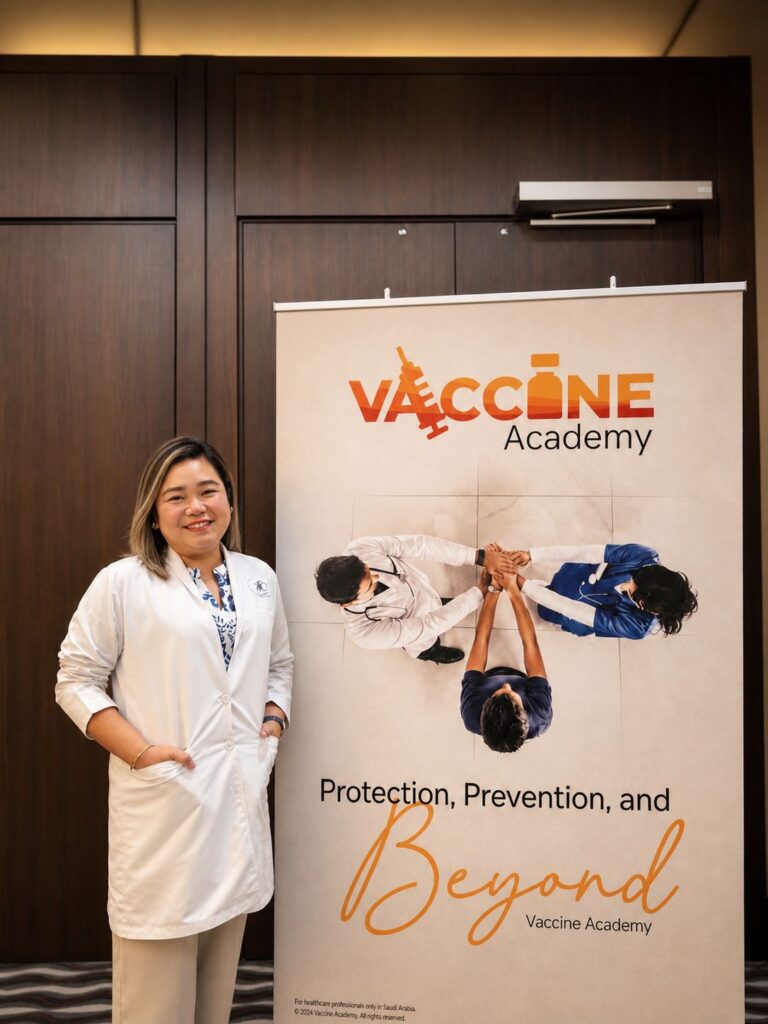
By 2023, she had moved into a leadership role at Remain Medical Group as Quality and Training Manager. Her flagship achievement there: leading all company facilities to earn accreditation from CBAHI, Saudi Arabia’s Central Board for Accreditation of Healthcare Institutions — one of the most rigorous healthcare quality benchmarks in the region. Other hospitals have since come knocking, asking her to help guide their own accreditation journeys.
The weight of being away
Behind the credentials and the leadership titles is a quieter story. Gertie did not just leave the Philippines for opportunity — she left knowing the trade-offs were real, and she paid them.
“One of the most significant challenges I faced in settling abroad was being away from my family during important and difficult moments,” she says. “There were times when I was unable to attend major family events, including the passing of my father and grandmother. That was emotionally challenging and required a great deal of strength and resilience.”
She does not dwell on the grief, but she does not minimize it either. Her response to loss was characteristically purposeful: she stayed in contact with family, leaned into her work, and treated her sacrifices as something that had to mean something.
“I focused on maintaining strong communication with my family despite the distance, and I stayed committed to the purpose of why I chose to work abroad — to build a stable future and support them.”

This is not an unusual story among OFWs. What makes Gertie’s telling of it different is the absence of self-pity. She speaks of her losses the way experienced professionals speak of setbacks — as data points that shaped her, not wounds she is still tending.
What she found in the work
Ask Gertie what she enjoys most about her job, and she does not mention her title or her salary. She talks about people.
“Seeing staff gain confidence, improve their competencies, and apply best practices in their daily work is highly rewarding,” she says. She facilitates training sessions, runs drills, and mentors healthcare professionals across her organization — work that sits well outside her formal job description but clearly defines how she sees her role.
The multicultural dimension of working in Saudi Arabia has also sharpened her in ways she did not fully anticipate. Working alongside professionals from different countries and healthcare traditions has broadened her understanding of quality management and pushed her toward more adaptive, globally informed thinking.
“Being exposed to diverse healthcare systems, international standards, and multidisciplinary teams has allowed me to expand my knowledge and adapt to best practices in quality management and patient safety,” she says.
Homeward bound, with a mission
Gertie is clear about what comes next. When her time abroad ends, she intends to bring everything back — not just the knowledge, but the standards, the systems, and the advocacy.
She wants to work with Philippine healthcare organizations on accreditation readiness, mentor younger nurses and quality officers, and push for stronger patient safety culture at the institutional level. She is particularly passionate about continuous professional development for healthcare workers early in their careers — something she wishes had been more accessible when she was starting out.
Her parting message to fellow Filipinos working abroad is neither motivational filler nor empty encouragement. It is the kind of advice that only comes from someone who has actually lived it.
“To my fellow kababayans working abroad, I know that behind every smile is a story of sacrifice,” she says. “Always remember your purpose. Hold on to why you started — whether it’s for your family, your dreams, or a better future.”
And then, with the precision of someone who has spent years measuring outcomes: “One day, all of this will make sense — and you’ll look back, not just with tears, but with pride.”
