




The lawyers defending Vice President Sara Duterte told the Senate impeachment court that acquittal does not hinge on their side producing anything to establish her innocence, arguing instead that the entire evidentiary weight rests with those bringing the charges.

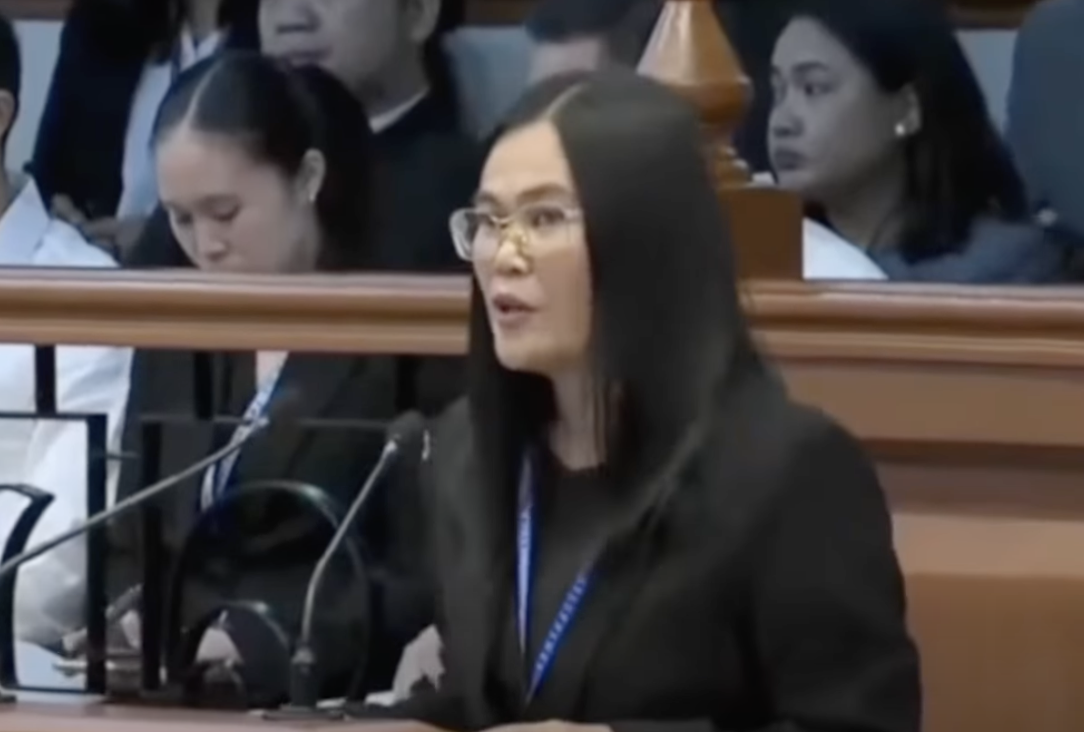
Lead defense counsel Atty. Sheila Sison framed the point as a settled rule of legal procedure: the obligation to substantiate the accusations belongs to the House prosecution panel, not to the person on trial. Until that obligation is met, she said, the defense is under no compulsion to mount an evidentiary case of its own.
“He who accuses must prove his allegations with evidence that meets not only the degree of proof required, but also meets the evidentiary standards of admissibility, credibility, relevance, materiality, and competence,” Sison said.
She pressed the argument further by tying it directly to the outcome the defense is seeking. “We therefore should not lose sight of the core principle that the burden of proof is on the prosecution and unless it discharges that burden the accused need not even offer evidence on her behalf and she will be entitled an acquittal. This is the law then, this is the law now,” she added.
The position echoes a written statement the defense issued earlier in the proceedings, in which Duterte’s counsel said it was “incumbent upon the prosecution to discharge the burden of proof” even as constitutional questions tied to the case remained before the Supreme Court, as reported by PBS News and The Diplomat.

Duterte did not appear for the opening of the trial on Monday, July 6. Her legal team confirmed she would take part through counsel rather than in person, a choice her lawyer Atty. Michael Poa described as consistent with the impeachment rules. The Vice President has similarly stayed away from earlier stages of the case, including the House proceedings and the Senate pre-trial conference.
The trial itself is without precedent in the country, marking the first time a sitting vice president has faced a full Senate impeachment proceeding. Twenty-one senator-judges were present when the chamber convened as an impeachment court shortly after 2 p.m. Three were absent: Sen. Jinggoy Estrada, who is in detention; Sen. Ronald dela Rosa, whose whereabouts remain undisclosed; and one other member unable to sit.
Sison heads a defense panel of 16 lawyers drawn largely from the Fortun, Narvasa and Salazar firm. She and the Vice President are both graduates of the San Sebastian College of Law-Recoletos. Facing them is a prosecution team of more than 20 public and private lawyers, with 11 lawmakers elected by the House in May serving as public prosecutors.
The four articles the House approved cover the alleged misuse of confidential funds, unexplained wealth, bribery involving Department of Education officials, and grave threats against President Ferdinand Marcos Jr. and his family. Prosecutors have signaled they will take up the threat allegation first, saying they want to establish at the outset that impunity will not be tolerated.
Removal from office requires a two-thirds vote of the Senate, or at least 16 of its 24 members. A conviction on any single article would cost Duterte her position and could carry the added penalty of a permanent bar from public office. Should the court decline to convict, she keeps her post, and any criminal or civil exposure arising from the same allegations would fall to the regular courts to resolve separately.
