



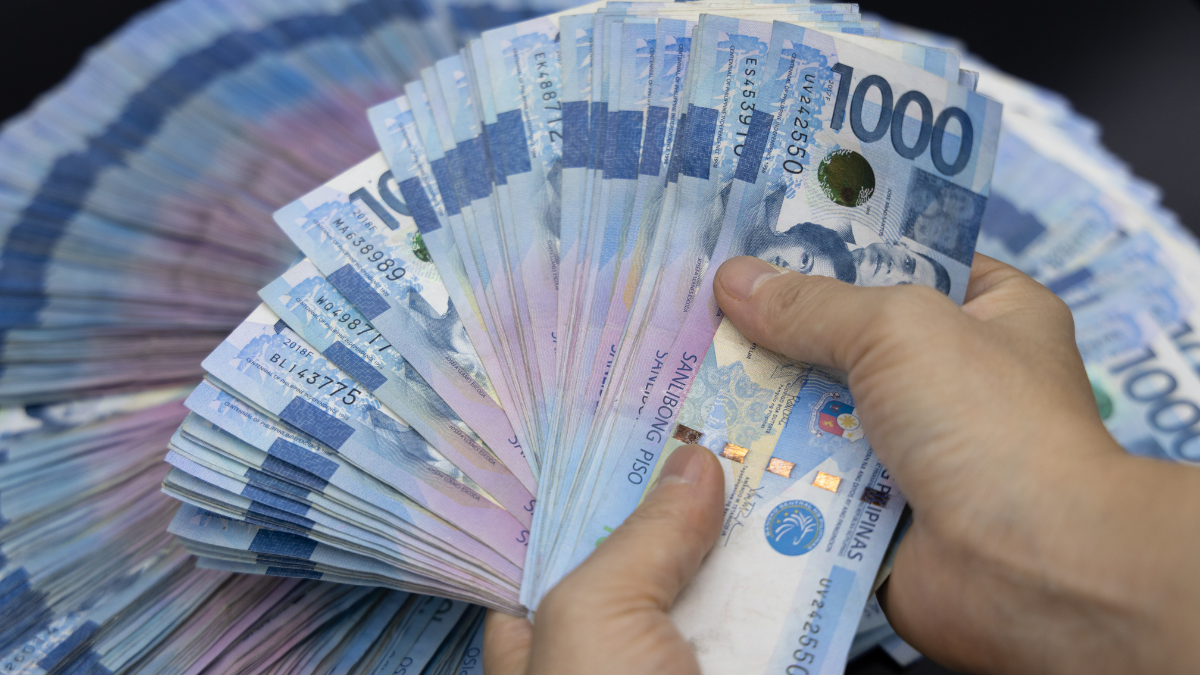

The Philippine government’s debt load climbed to a new high of P18.16 trillion at the close of February, with officials attributing the modest monthly increase to a deliberate strategy of borrowing more from domestic sources while external obligations contracted.

Bureau of the Treasury figures show the February total edged up P25.74 billion, or 0.14 percent, from January’s P18.13 trillion — a pace the BTr described as reflecting a “stable and well-managed debt position amid evolving global financial conditions.”
At that level, the country’s debt already stands at 95 percent of the full-year ceiling of P19.06 trillion projected for 2026.
Domestic securities now account for 68.7 percent of the total debt stack. The government’s local borrowings rose 1.3 percent month-on-month to P12.48 trillion after it issued P158.14 billion in fresh securities. Year-on-year, domestic obligations have grown 11.2 percent from P11.22 trillion in February 2025. Currency movements trimmed valuations of foreign currency-denominated domestic debt by P3.75 billion, the Treasury noted.

External debt moved in the opposite direction, slipping 2.2 percent to P5.68 trillion from P5.81 trillion in January. The Treasury credited favorable exchange rate movements, which reduced the peso value of dollar- and third-currency obligations by P136.43 billion — an amount that more than covered the P7.78 billion in net new foreign loan drawdowns during the month. Still, compared with February 2025, external obligations are up five percent from P5.41 trillion.
The government had already raised P203.10 billion in external financing by end-February, anchored by a $2.75-billion triple-tranche global bond offering carrying maturities of 5.5, 10, and 25 years. The BTr said the transaction demonstrated “sustained investor confidence in the country’s credit profile and the NG’s ability to tap international markets on reasonable terms,” with external debt rising P88.98 billion, or 1.59 percent, since end-December 2025.
Contingent liabilities also widened, with total guaranteed obligations climbing 10.11 percent to P379.98 billion, partly because of new guarantees extended to the Power Sector Assets and Liabilities Management Corp., partially offset by repayments and currency gains.
RCBC chief economist Michael Ricafort flagged that catch-up government spending and front-loaded borrowing tied to the US-Iran war could push both the budget deficit and debt higher. He also warned that the peso’s breach of the 60-per-dollar level risks inflating the peso-equivalent cost of existing foreign loans.
