



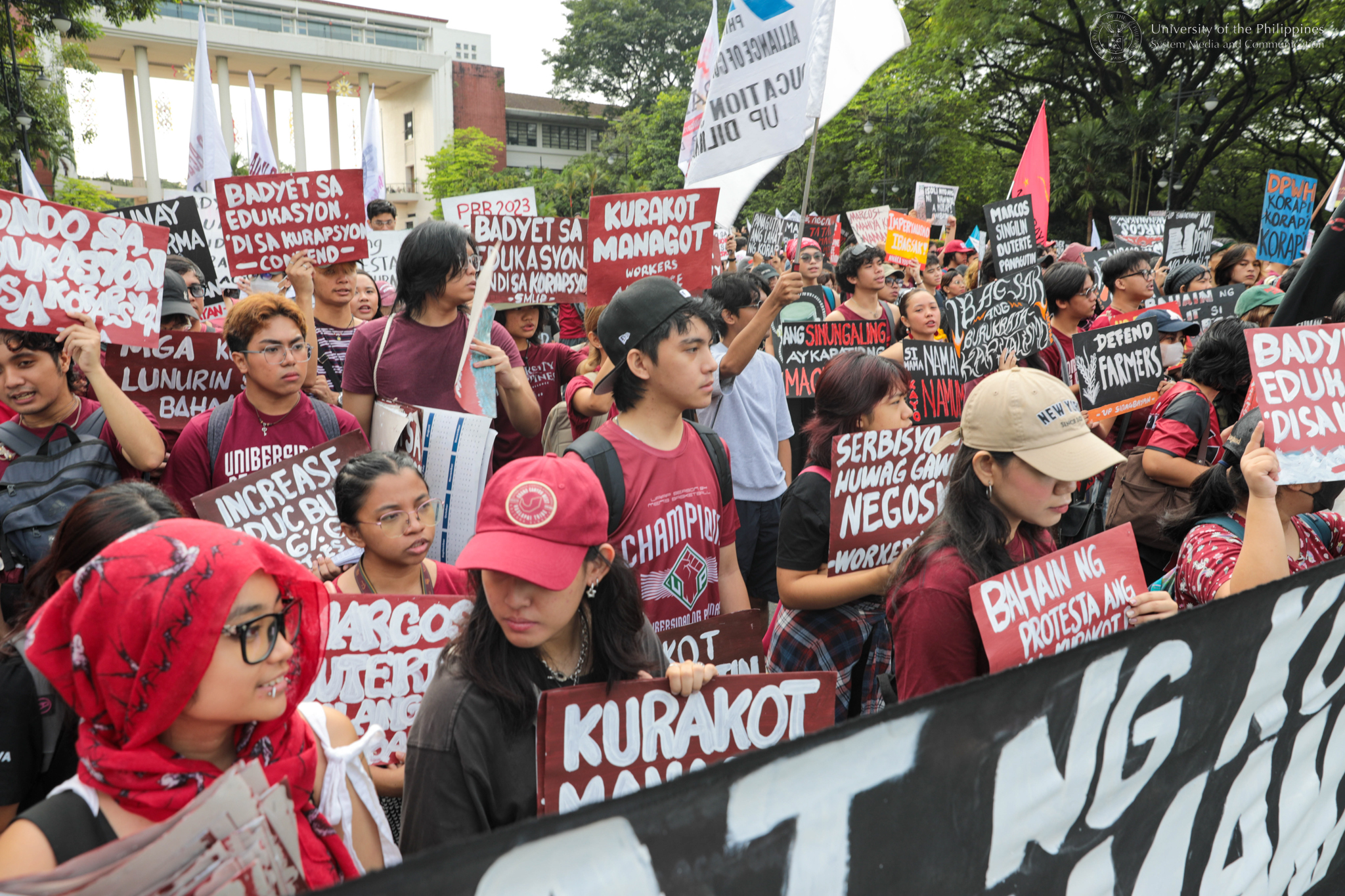

Widespread corruption across Philippine government agencies continues to undermine the country’s trade and investment climate, according to Washington’s annual review of foreign market conditions.

The 2026 National Trade Estimate report, released March 31 by the US Trade Representative, described corruption as deeply entrenched in both the public and private sectors of the Philippines. The problem, the USTR found, extends from national agencies down to local government units.
The Bureau of Customs drew particular scrutiny. Despite internal reform efforts, the bureau remains plagued by reports of bribery, irregular valuation practices, unexplained delays, inconsistent fee assessments, and blanket inspection requirements on certain goods. The USTR noted these irregularities persist even as the BOC has attempted to address them.
Investor confidence has taken a hit as a result. “Both foreign and domestic investors have expressed concerns about the lack of transparency in judicial and regulatory processes,” the report stated.
Washington also flagged the absence of a formal bilateral trade agreement. “The Philippines has not entered into an Agreement on Reciprocal Trade with the US that includes commitments to address these distortions,” the USTR said, pointing to unresolved market-distorting practices affecting both economies.

On intellectual property, the Philippines has not fully shed its troubled track record. Though it was removed from the USTR’s Special 301 Watch List in 2014, enforcement remains uneven. Online piracy, along with the sale of counterfeit apparel, footwear, watches, jewelry, fragrances, and electronics, continues to draw concern from US rights holders. Slow prosecution and conviction rates in IP cases compound the problem.
The Greenhills Shopping Center in Metro Manila retained its spot on the USTR’s 2025 Notorious Markets for Counterfeiting and Piracy list, reflecting ongoing concerns about counterfeit goods activity at the commercial hub.
Questions around geographical indications — protections tied to a product’s place of origin — also figured into US stakeholders’ complaints about fairness and transparency in the Philippine system.
The report additionally cited barriers related to import policies, sanitary and phytosanitary standards, government procurement practices, and restrictions on foreign ownership.
