




Food and fuel costs drove the Philippines’ inflation rate to 7.2 percent in April, the Philippine Statistics Authority reported Tuesday — a sharp acceleration from March’s 4.1 percent and the highest reading since March 2023, when it reached 7.6 percent.

The figure blew past the Bangko Sentral ng Pilipinas’ own forecast range of 5.6 to 6.4 percent and far exceeded the government’s 2 to 4 percent target band.
Transport bore some of the most dramatic price increases. Costs in that sector jumped 21.4 percent in April, up from 9.9 percent in March. PSA Undersecretary and National Statistician Claire Dennis Mapa said diesel prices alone shot up 124 percent during the month, with gasoline climbing 60.5 percent and LPG rising 44.7 percent.
The ripple effects on food were equally severe. Food inflation climbed to 6.1 percent in April from 2.7 percent in March, with rice prices surging 13.7 percent compared to 3.5 percent the previous month. Housing, water, electricity, gas and other fuels rose 8.2 percent, up from 4.7 percent in March.
Mapa flagged the food sector as the more pressing concern going forward, even as the agency continues to track oil prices. Rising fuel costs are discouraging fisherfolk from going out to sea, tightening supply and pushing up prices of fish and vegetables.

“So pag konti ang lumalabas o hindi lumalabas yung ating mga fisherfolks, siyempre bumababa ang ating production,” he said.
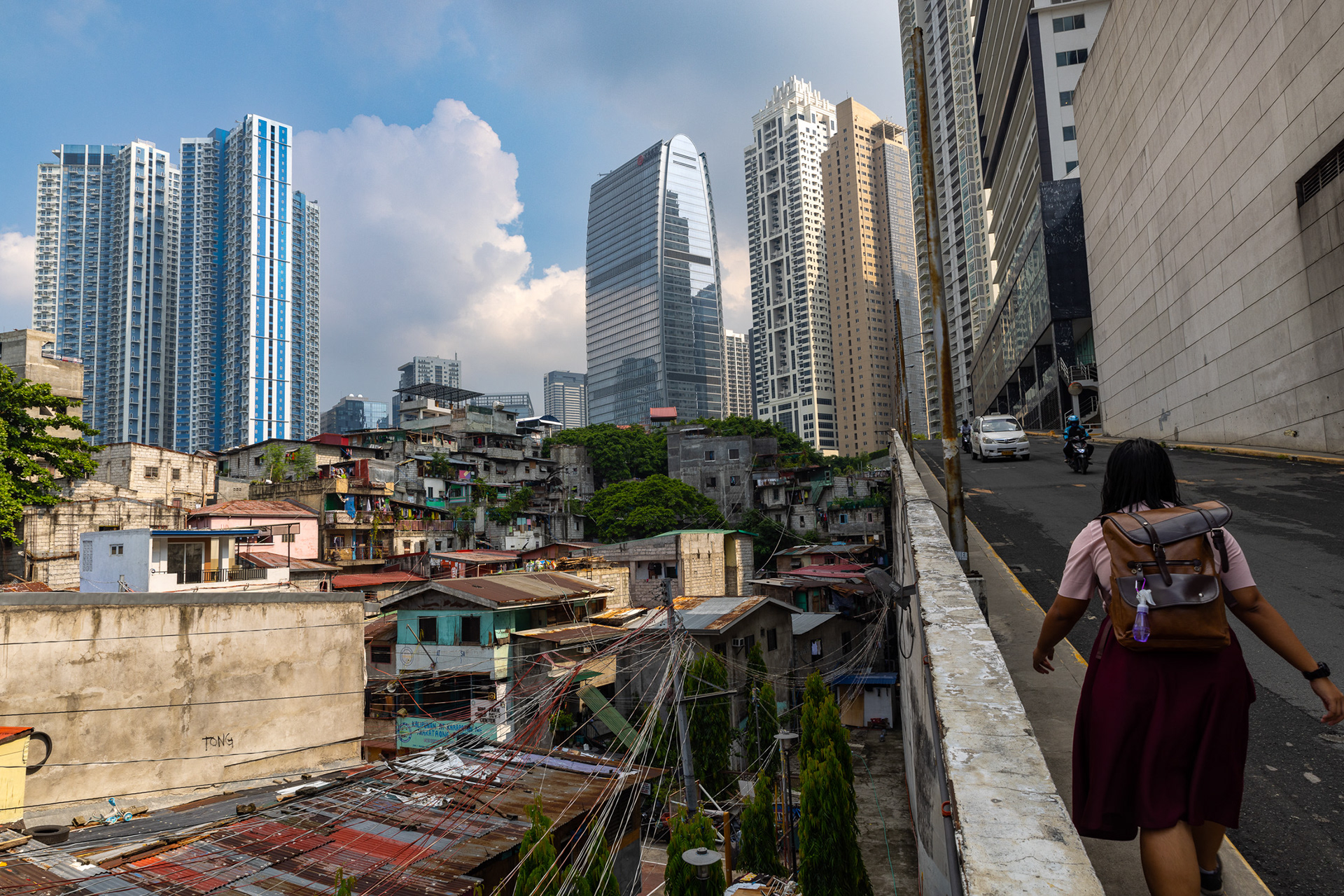
The impact was most acute for lower-income Filipinos. The PSA recorded an inflation rate of 8.5 percent for the bottom 30 percent of the population in April — a full 1.3 percentage points above the national average.
Core inflation, which strips out volatile food and energy components, also ticked up to 3.9 percent in April from 3.2 percent in March.
The Department of Economy, Planning and Development said it is ramping up targeted interventions to address price pressures across food, energy and transport. “Our priority is to ensure stable fuel supply, manageable prices, and adequate protection for all sectors amid ongoing domestic and global challenges,” said Economic Planning Secretary Arsenio Balisacan.
For the first four months of 2026, average inflation stood at 3.9 percent — at the upper edge of the government’s target range, and before April’s spike is fully absorbed into the full-year figure.
