




Filipino families whose children attend overcrowded public schools could soon qualify for government subsidies to enroll in private institutions, following a bicameral conference committee’s approval Thursday of the proposed Basic Education Voucher Assistance Act.

The reconciled measure stitches together House Bill No. 4744 and Senate Bill No. 1981, a process that the panel completed even though the 20th Congress’s first regular session had already adjourned sine die. At its core, the bill modernizes Republic Act No. 6728 — the 1989 law that first set up government aid for students and teachers in private schools — into what its backers describe as a more data-driven framework. Coverage would run from Kindergarten through Grade 12, with priority given to learners from low-income households, those stuck in congested public schools, and students in geographically isolated areas.
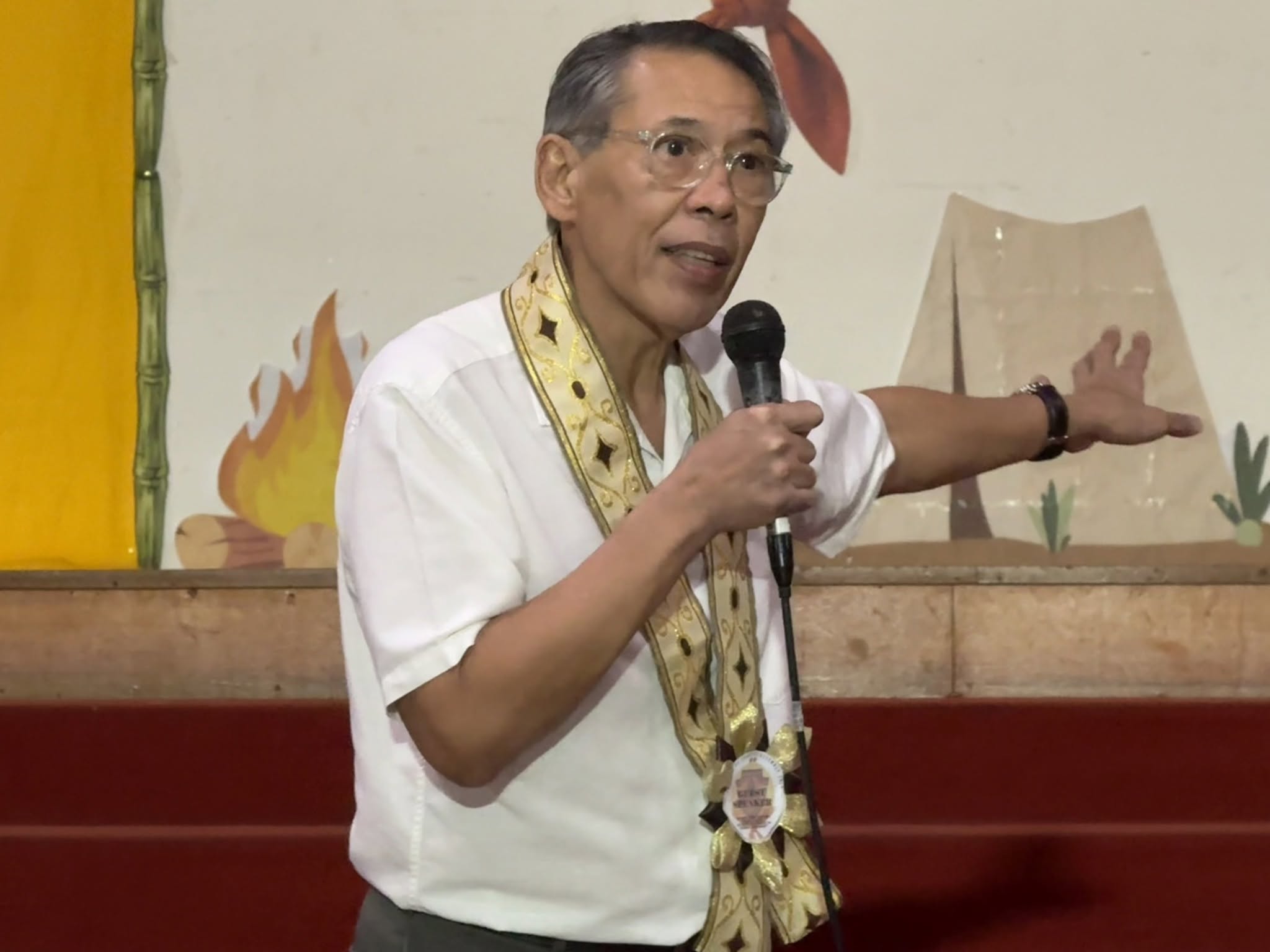
Akbayan Rep. Jose Manuel Tadeo “Chel” Diokno, who sat on the House side of the panel, was among the first to report the committee’s action publicly, posting word of the approval on his Facebook account.
The Second Congressional Commission on Education, known as Edcom 2, said its co-chairmen steered the deliberations: Sen. Paolo Benigno “Bam” Aquino IV, Pasig Rep. Roman Romulo, and Tingog Rep. Jude Acidre. Romulo, who chairs the House committee on basic education and culture, headed that chamber’s delegation. He was joined by Acidre, Valenzuela Rep. Kenneth Gatchalian, Sorsogon Rep. Bernadette Escudero, and Diokno, while Aquino and Sen. Camille Villar represented the Senate alongside Department of Education officials.
House Speaker Faustino “Bojie” Dy III welcomed the outcome, casting the program as a way to widen options for parents without abandoning the public system.

“This proposal aims to give parents more choices and their children more opportunities to get quality education. No Filipino child should be denied the chance to learn just because of the lack of financial means,” Dy said in Filipino.
Acidre, for his part, argued that the state cannot put off helping students who need support today while it works through a backlog of infrastructure needs.
“We must continue to build more classrooms, strengthen our public schools, and invest in the long-term needs of basic education. But we must also be honest: our learners cannot wait for every classroom gap to be filled before we act. Where there is existing capacity, we must use it wisely. Where there is need, government must respond with urgency,” Acidre said.
The lower chamber had passed HB 4744 on third and final reading on Oct. 13, 2025, listing it among the 26 priority items endorsed by the Legislative-Executive Development Advisory Council before the session closed. The Senate cleared its counterpart in early May, with Aquino and Sen. Loren Legarda as principal authors and several Edcom 2 commissioners signing on.
Before it can become law, the committee report still needs ratification from both the House and the Senate, after which it heads to President Ferdinand Marcos Jr. for his signature.
