



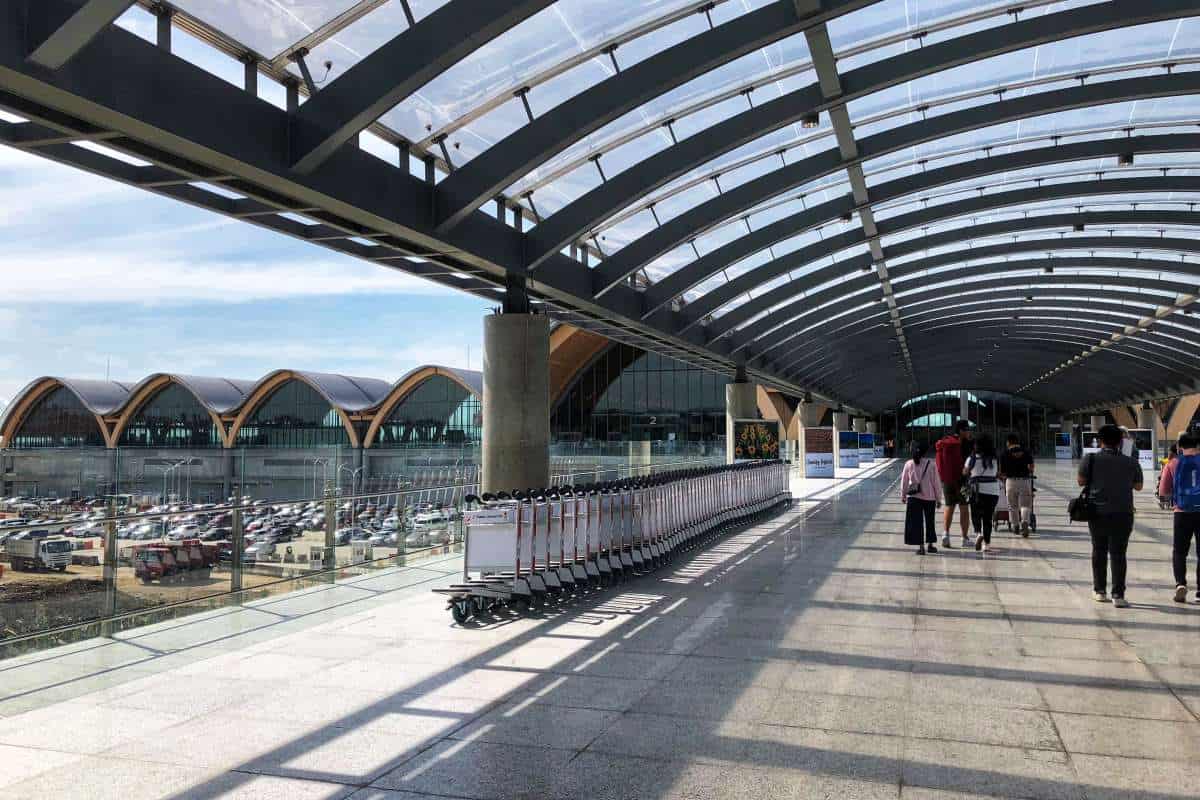

Skilled Filipinos abroad now have a dedicated facility in Cebu meant to streamline the paperwork and government transactions that typically complicate their travel. Cebu Pacific has opened an OFW Facilitation Center at Terminal 2 of Mactan-Cebu International Airport, positioning it as a single point where departing and returning migrant workers can settle requirements without navigating multiple offices.

The hub came together through a partnership involving the budget carrier, the Department of Migrant Workers, and airport operator Aboitiz InfraCapital Cebu Airport Corporation. According to airline spokesperson Carmina Romero, the center functions as a one-stop facility allowing workers to process Overseas Employment Certificates and handle other travel-related needs on site.
For the DMW, the project fits a broader push to embed government services where migrant workers actually pass through. “Our responsibility begins not only when an OFW encounters a problem, but also before departure, giving our OFWs the assistance they need and remaining active until their return. Today, right here in Cebu, we show that the DMW is deeply committed to bringing that government presence closer to our people,” said Secretary Hans Leo Cacdac.

Candice Iyog, the airline’s Chief Marketing and Customer Experience Officer, framed the launch around the role migrant workers play in the national economy. “We recognize the invaluable contributions of overseas Filipino workers to our nation and remain committed to supporting their journey every step of the way,” she said, adding that the facility “reflects our ongoing efforts to provide more accessible and responsive services that address the unique needs of OFWs and their families.”
Romero noted that the center extends a series of programs the carrier has rolled out for overseas Filipinos. Among them is Juan Flight Closer to Home, a balikbayan initiative that courts skilled workers abroad to come back and build careers within the country’s expanding aviation sector.
The airline currently flies to 35 domestic points and 26 international ones spread across Asia, Australia, and the Middle East.
