



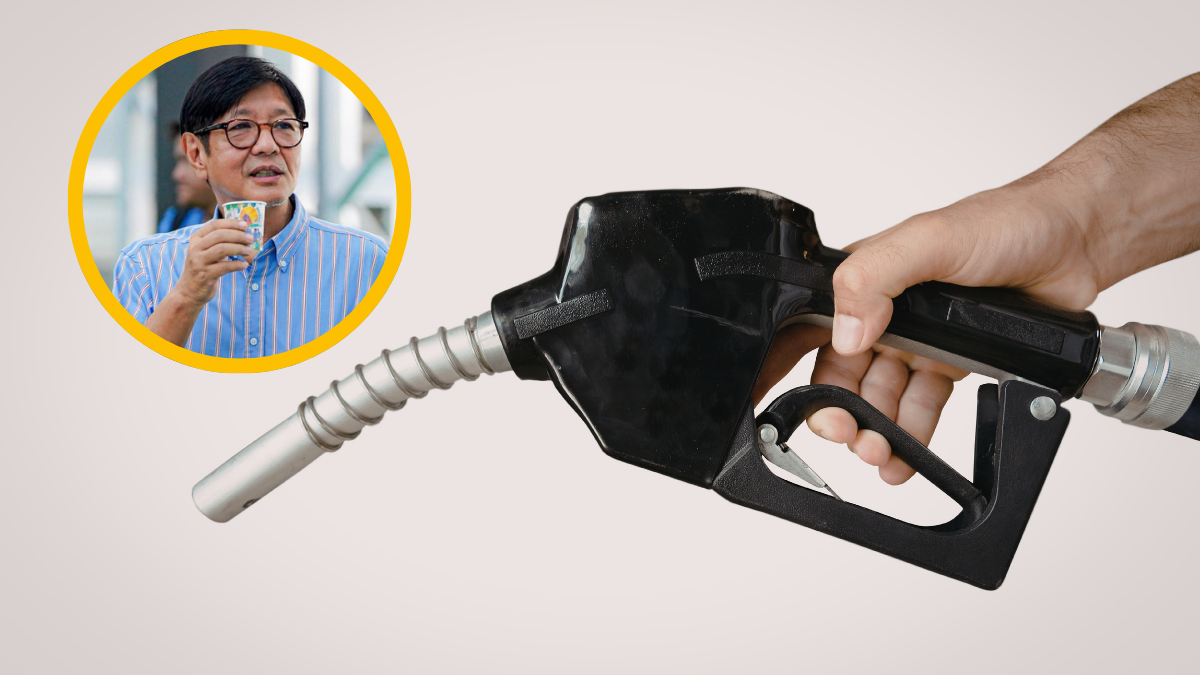

The Philippines is set to see its largest fuel price reduction since the outbreak of the Iran conflict, with diesel, gasoline, and kerosene all dropping at the pump starting Tuesday.

Energy Secretary Sharon Garin confirmed over the weekend that the rollback — diesel down P20.89 per liter, gasoline by P4.43, and kerosene by P8.50 — will remain in effect until April 20. The adjustments are calculated against a five-day average of international prices compared to the preceding week, she said.
President Ferdinand Marcos Jr., in a video statement, framed the development as direct relief for ordinary Filipinos bearing the brunt of elevated crude costs. “Malaking tulong ito, lalo na sa ating mga driver, sa mga commuter, at sa bawat pamilyang Pilipino na araw-araw naaapektuhan ng mataas na presyo ng krudo,” he said.

Marcos signaled the government intends to push the relief further, pressing for the price cuts to cascade into transport fares and food costs. “Sa mga susunod na araw at linggo, may iaanunsyo pa akong mga dagdag na hakbang at tulong mula sa gobyerno,” he said, adding: “Hindi natin hahayaang mapabayaan ang bawat Pilipino sa gitna ng mga hamong ito.”
Whether the relief holds beyond next week is uncertain. Garin, speaking on Super Radyo dzBB, warned that structural damage to Iranian oil facilities from the six-week conflict had fundamentally altered the pricing landscape. “Kung two weeks lang ‘yung gyera, bababa [‘yung presyo]. But the structural damage has already been done. It will take a long time to fix the facilities. Bababa man, hindi kasing bilis n’ung pag-akyat [ng presyo],” she said, adding that pre-war diesel levels around P60 per liter may not return.
The war in Iran, which began February 28 following coordinated US-Israeli strikes that killed Supreme Leader Ali Khamenei, triggered Iranian retaliation against US assets in the region and the closure of the Strait of Hormuz — the chokepoint through which roughly a fifth of globally traded seaborne oil passes. The Philippines had secured assurances from Iran of safe passage, but that arrangement now faces a fresh threat: after ceasefire negotiations collapsed over the weekend, US President Donald Trump announced the US Navy will move to block vessel traffic entering or leaving the strait starting Monday.
