



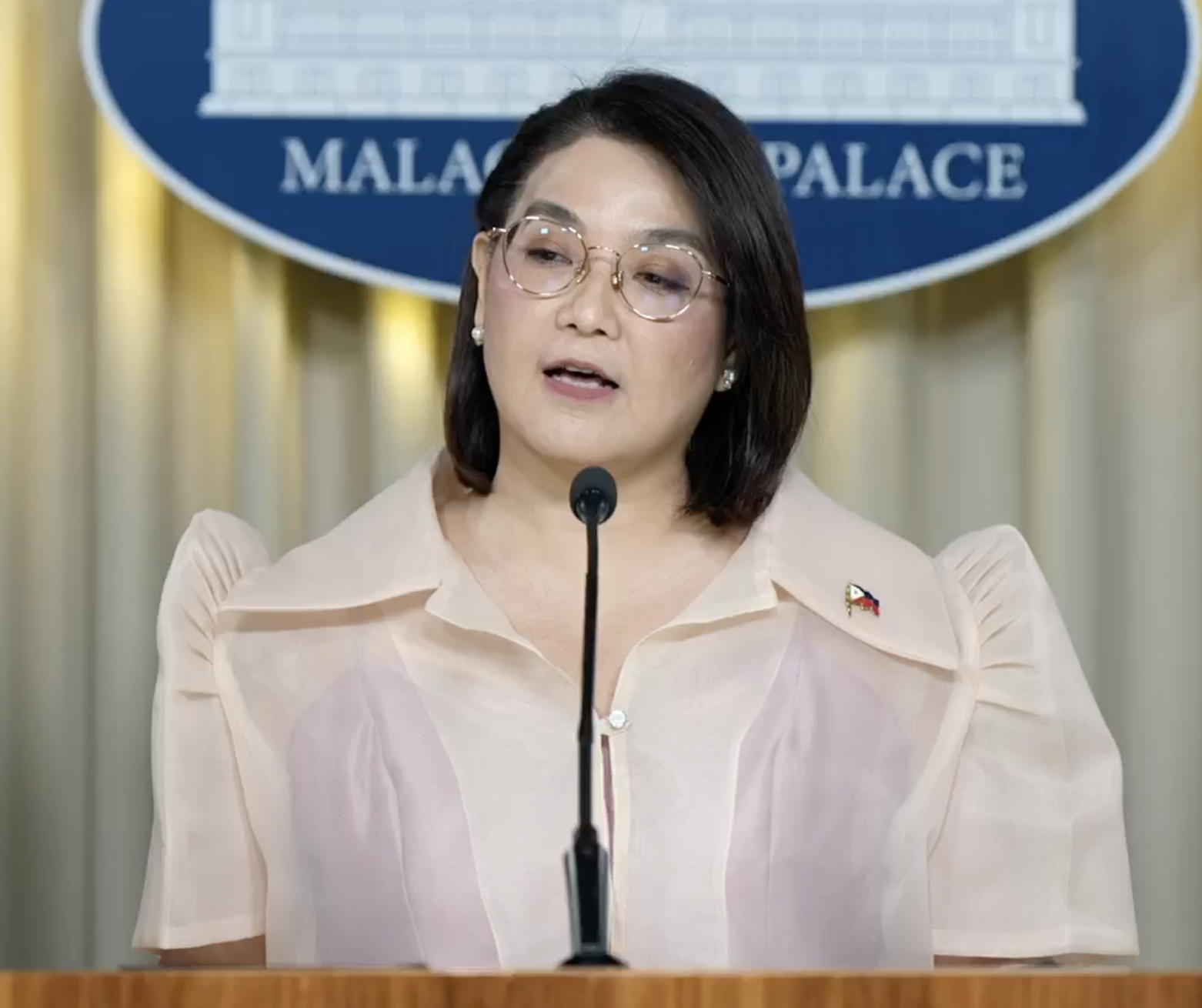

The 18 men who told the Senate they ferried suitcases of cash for a fugitive ex-congressman could just as accurately be called garbage collectors, Malacañang said on Monday, June 8, 2026, offering its own pointed label for the group at the center of the flood-control corruption testimony.

Palace Press Officer Usec. Claire Castro made the remark at a briefing, leaning on the witnesses’ own account that what they hauled was, in effect, refuse.
“Actually, 18 maleta boys, 18 basureros. Pwede po silang i-describe ganun sa ating pananaw. Bakit basurero? ‘Di ba mga basura ang kanilang sinasabing kinukuha at dinadala,” she said.
The comment built on a label already circulating in the chamber. Senator Raffy Tulfo had taken to calling the group the “18 Kargador,” dropping the “18 ex-Marines” tag that drew objections from the military. Castro’s suggestion added two more options — “maleta boys” and “basureros” — to a growing list of names attached to the men since they surfaced as witnesses.

That naming dispute has a concrete origin. The Armed Forces of the Philippines had earlier asked that the group no longer be described as “ex-Marines,” noting the individuals had left the service by the time they allegedly worked as security for fugitive former Ako Bicol Rep. Zaldy Co. The AFP proposed calling them witnesses or bodyguards instead.
Beyond the labeling, Castro cast doubt on the substance of what the witnesses told the Senate. She suggested the men appeared to have been coached before testifying, drawing a comparison to courtroom rules that bar the practice, and said those named in the accounts had denied any role while no documentary proof had been produced.
As for President Ferdinand Marcos Jr., who the witnesses placed among the recipients of cash delivered to his Paoay, Ilocos Norte home, Castro said he met the claim with a smile and an eye roll, treating it as he did earlier allegations of a plot to scrap the elections.
