



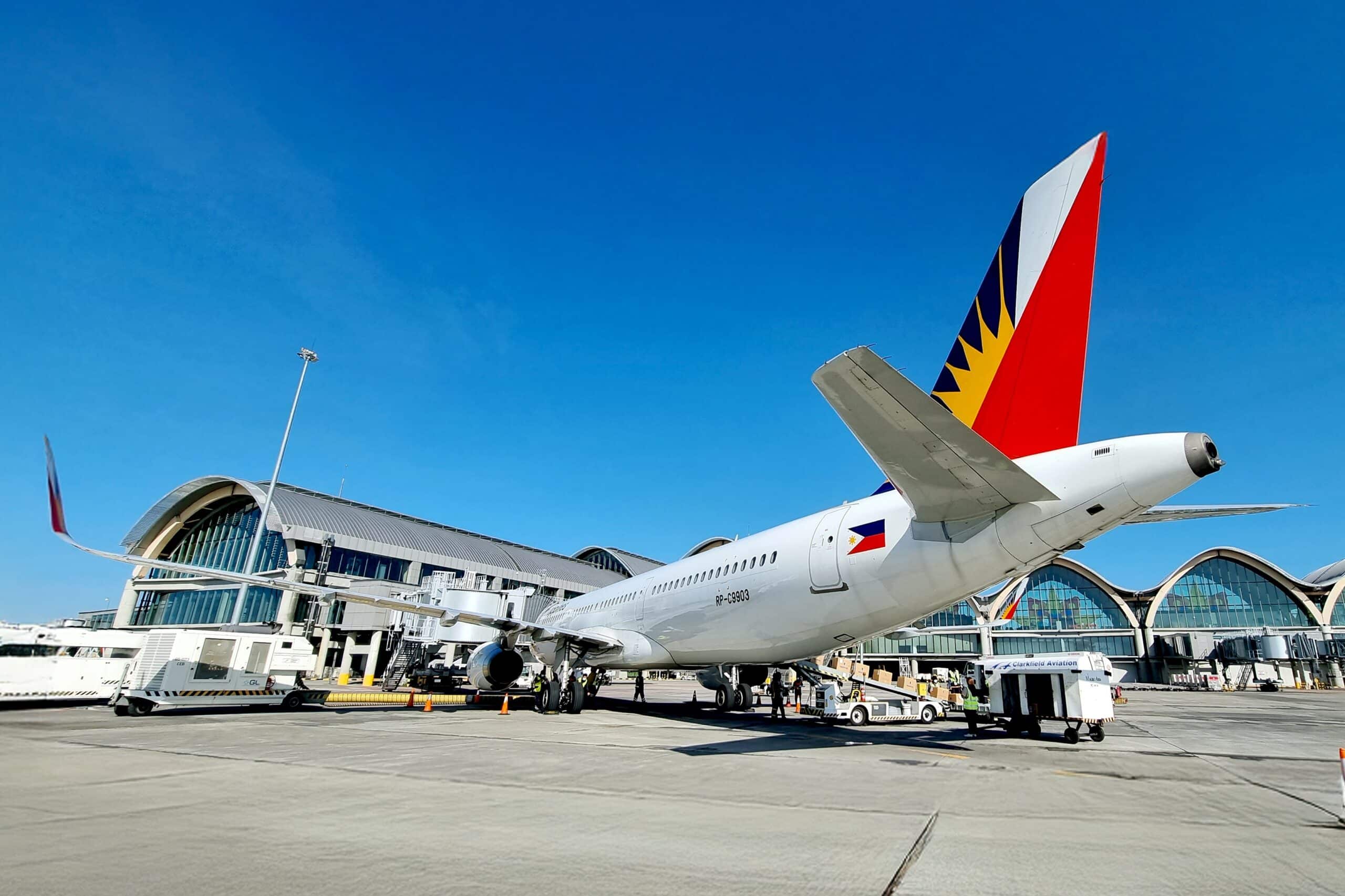

Passengers on all Philippine Airlines flights are now required to keep power banks within personal reach at all times — not in checked luggage, overhead bins, or anywhere outside immediate access — as the carrier moves to enforce updated safety standards aligned with International Civil Aviation Organization guidance.

The advisory, issued with immediate effect, caps allowable power bank capacity at 100 watt-hours per unit, with a maximum of two units per passenger. Each device must carry a clearly visible capacity label, either in watt-hours or milliampere-hours, and must be individually packed to prevent short circuits — acceptable methods include taped terminals, original packaging, plastic bags, or protective pouches.
PAL also drew a firm line on in-flight charging of the devices themselves: power banks may be used to charge personal electronics during the cruise phase of a flight, but their use is prohibited during taxi, takeoff, and landing. Recharging power banks from aircraft power sources is not permitted at any point during the flight.

The airline noted that the restrictions are intended to protect passengers, crew, and the aircraft — a standard framing for lithium battery advisories, which aviation regulators globally have tightened following documented incidents of thermal runaway in cargo and cabin environments.
For passengers unsure whether their device falls within the limit, PAL provided a conversion formula: watt-hours can be calculated by multiplying milliampere-hours by voltage, then dividing by 1,000.
