



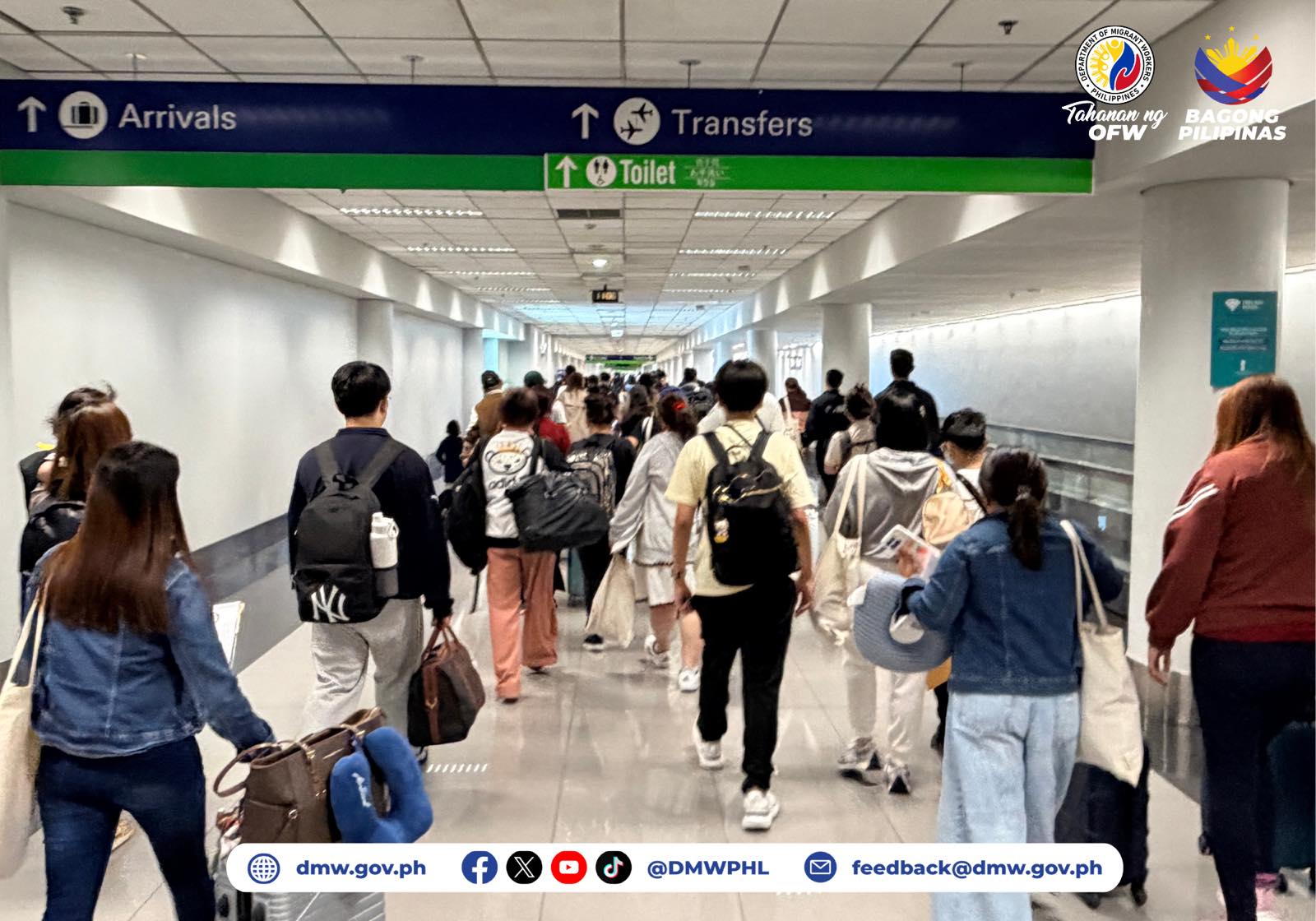

The majority of overseas Filipino workers brought home from conflict-affected areas in the Middle East have no plans of staying in the Philippines permanently, according to the Overseas Workers Welfare Administration.

Owwa Administrator Patricia Caunan revealed Tuesday that survey data gathered from returning OFWs shows roughly 70 percent are still looking to find employment outside the country. “Admittedly, among those we surveyed, close to 70 percent are still looking for work abroad,” she said.
The remaining 30 percent have expressed interest in either local employment or setting up their own businesses — a minority, Caunan acknowledged, but one the government is equally committed to supporting.
To determine what assistance each returning worker needs, Owwa conducts intake surveys upon arrival. “We do a survey, and ask everyone that returned home what their needs are, what their educational background is, what training they have received, where they want to work,” Caunan said during a television interview.

Regardless of which path a repatriated OFW chooses, she said the agency is prepared to deliver assistance on both fronts. Upskilling programs are central to that effort, aimed at improving the competitiveness of returning workers whether they eventually head back overseas or pursue opportunities locally. “We are focused on providing upskilling opportunities… so that they will have more opportunities to improve their lives and of their families,” Caunan said.
For those pursuing entrepreneurship, Owwa and the Department of Migrant Workers have a livelihood assistance program specifically for members looking to start a business. “We help Owwa members start their businesses. This is a one-time grant, not a loan, from Owwa,” she said.
As of May 24, the total number of OFWs and their dependents repatriated from the Middle East had reached 10,129.
