



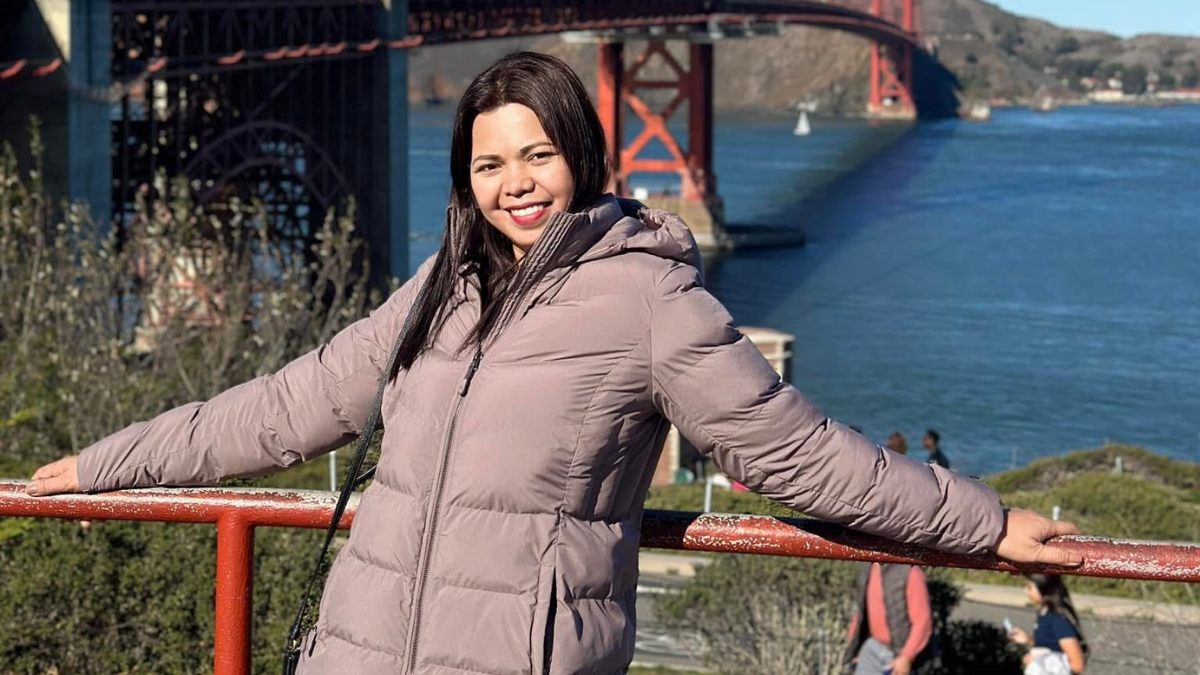

There are moments in a person’s life when an opportunity arrives not when they feel ready, but when they feel called. Sometimes the clearest sign that something is right is the discomfort that comes with it. Marissa Alcantara knows that feeling well. The Filipino teacher now based in the United States almost didn’t make the leap — but when she finally did, it changed everything.

Marissa arrived in the U.S. in 2021 through the J-1 Teacher Exchange Program, a federal initiative that brings international educators into American classrooms. It was not something she had mapped out. Back home, she was already a seasoned educator — a high school Filipino language teacher in the Philippines who also handled specialized academic programs and advised student journalists through competitive school paper work. She had a life built, a routine settled. Then the offer came.
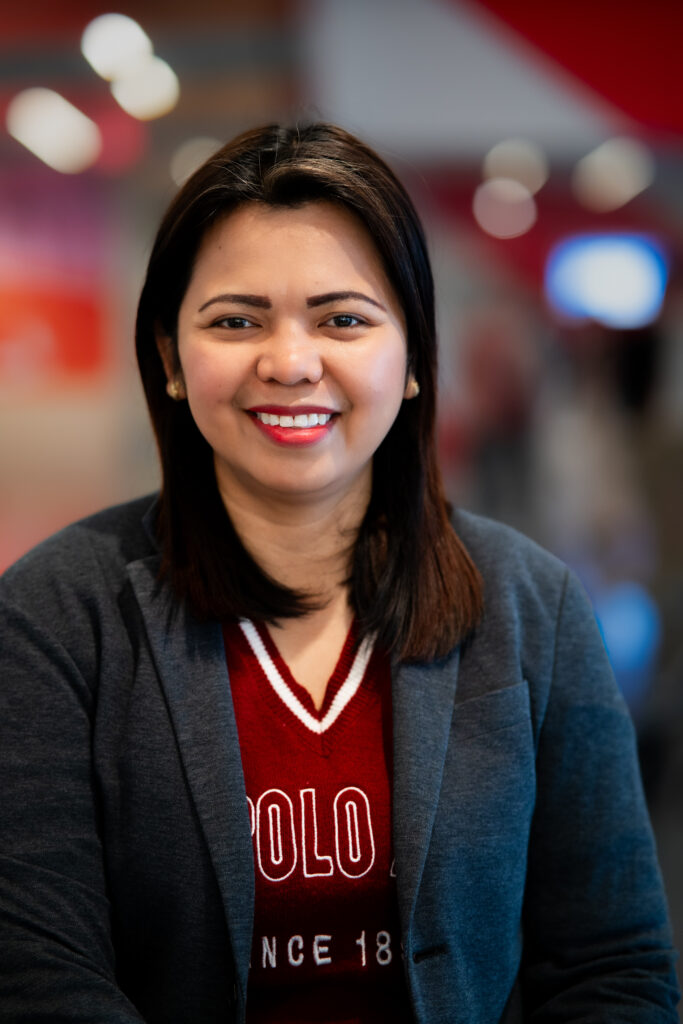
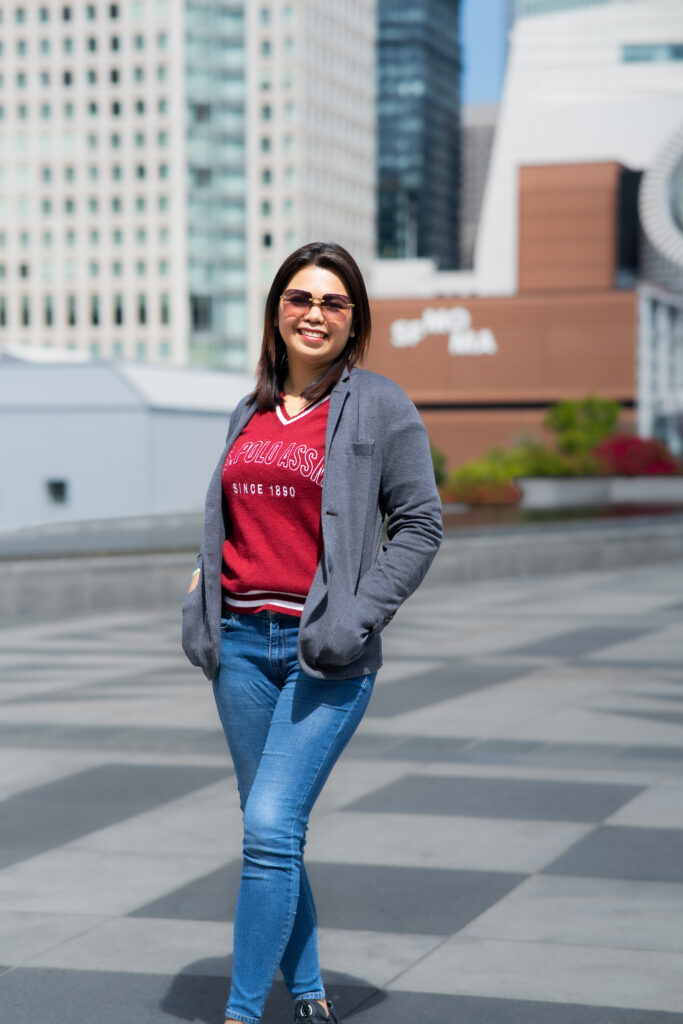
“Coming to the U.S. wasn’t part of my original plan,” she says. “I hesitated because it meant leaving my family and stepping out of my comfort zone.
When purpose outweighs readiness
What moved her forward wasn’t certainty — it was willingness. Marissa prayed over the decision, weighed what she stood to gain against what she would have to give up, and ultimately leaned into the discomfort. Financial pressures at home added urgency to what might otherwise have remained a passing thought.
“I said yes — not because I was fully ready, but because I was willing to take the risk,” she recalls. “I carried both fear and hope, but more importantly, a strong sense of purpose.”
That phrase — strong sense of purpose — comes up more than once when Marissa speaks about her work. It is less a motivational flourish than a practical anchor, the thing she returned to when the first year in America proved harder than anticipated.
The weight of the first year
Waiting two months before her job officially began stretched her finances thin. Homesickness settled in. The weather was unfamiliar, and so was nearly everything else. What carried her through, she says, was a combination of faith, family support from afar, and a Filipino colleague on the ground who helped her navigate both the practical and the emotional demands of starting over.

Then her students began to do the rest.
One moment stands out: a quiet student from China who, after months in Marissa’s class, stood before her peers and introduced herself in Tagalog — confidently, clearly, without prompting.
“That moment reminded me that teaching language is not just about words — it’s about building confidence and connection,” Marissa says.
A stage, a culture, a community
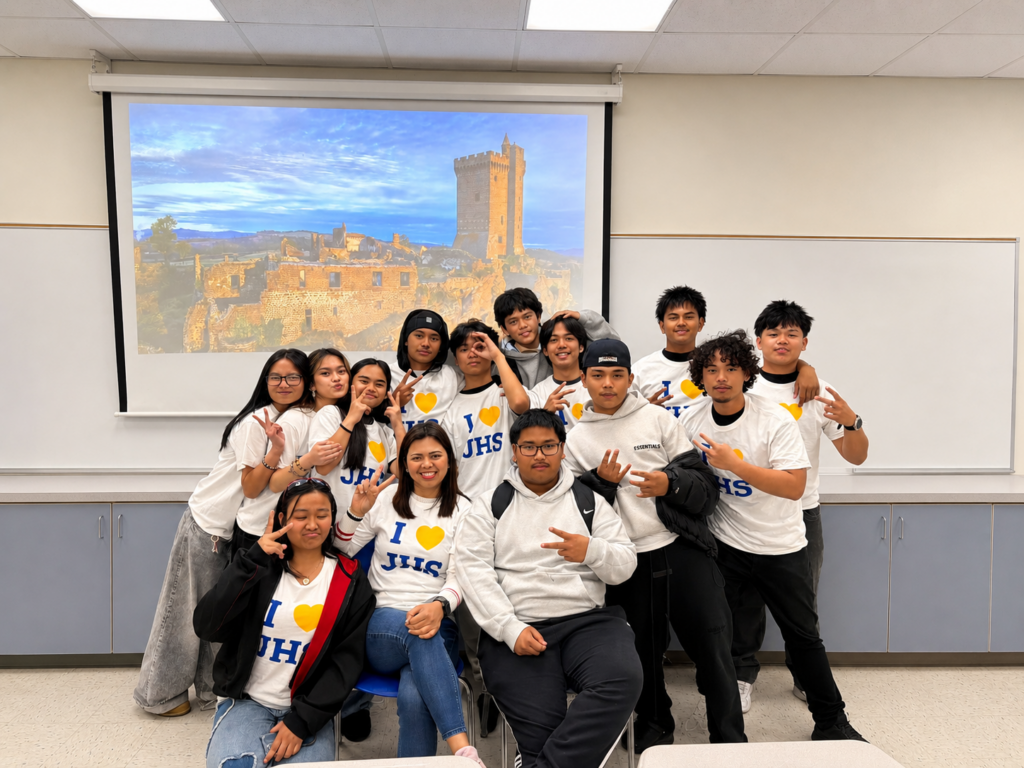
The fullest expression of her mission came through a student production that brought Filipino dialogue, songs, and dances to the wider community. Her students were nervous at first. But they performed — and they were proud.
“It gave me a deep sense of pride because I was able to share Filipino culture and represent our country here in the U.S.,” she says. “At the same time, it gave my students pride as well — they were able to perform with confidence in front of their families and the community.”
For Marissa, the classroom has become a stage of its own — one where culture is not merely taught but experienced. Her vision extends beyond a single school: she hopes to see Tagalog formally recognized and offered across more parts of the United States, part of a sustainable Filipino language program that outlasts her own tenure.
“Something that continues to empower students even beyond my time in the classroom,” she says.
It is the kind of legacy that starts not with a grand plan, but with a quiet yes — carried across an ocean, one lesson at a time.
