





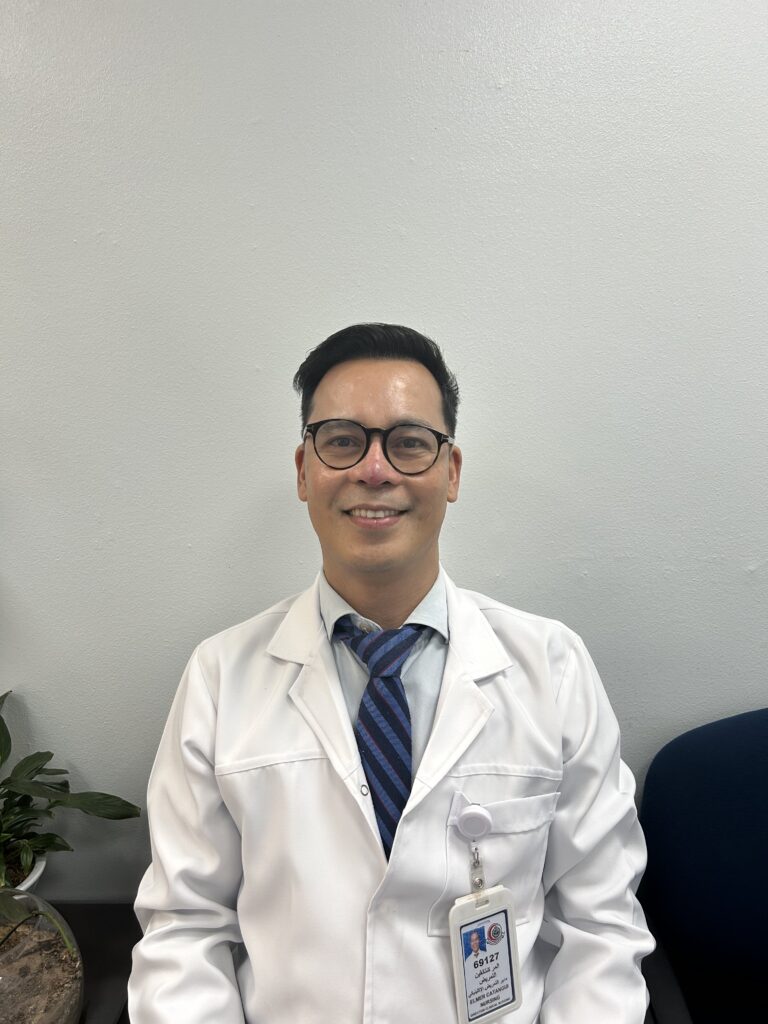
A nurse’s competence is often measured in years at the bedside, but the sharpest ones tend to talk less about mastery and more about how much still eludes them. Dr. Elmer Catangui, who has spent more than two decades building a career across three countries, belongs to that second group — and he’s spent the whole time chasing the gap between what he knows and what he doesn’t.

From a London stroke ward to Riyadh
Elmer earned his nursing expertise in the Philippines and the United Kingdom, then spent twelve years as a clinical nurse specialist in stroke and TIA at Imperial College Healthcare NHS Trust in London. His master’s from London South Bank University leaned into specialist neuroscience — thrombolysis nursing, acute stroke management, secondary prevention. He published in the British Journal of Nursing and Nursing Standard, helped launch the pan-London stroke competencies, and drew a nomination from the UK Health Service Journal Awards.


In 2014, he moved to the Kingdom of Saudi Arabia. Today he’s Director of Clinical Nursing for Medical and Dialysis Care at King Abdulaziz Medical City, part of the Ministry of National Guard Health Affairs, where a Nursing Ambassador Award has already recognized his contribution to patient care. In 2020, he completed his PhD in Nursing Science at St. Paul University Philippines.

Why the world was worth the distance
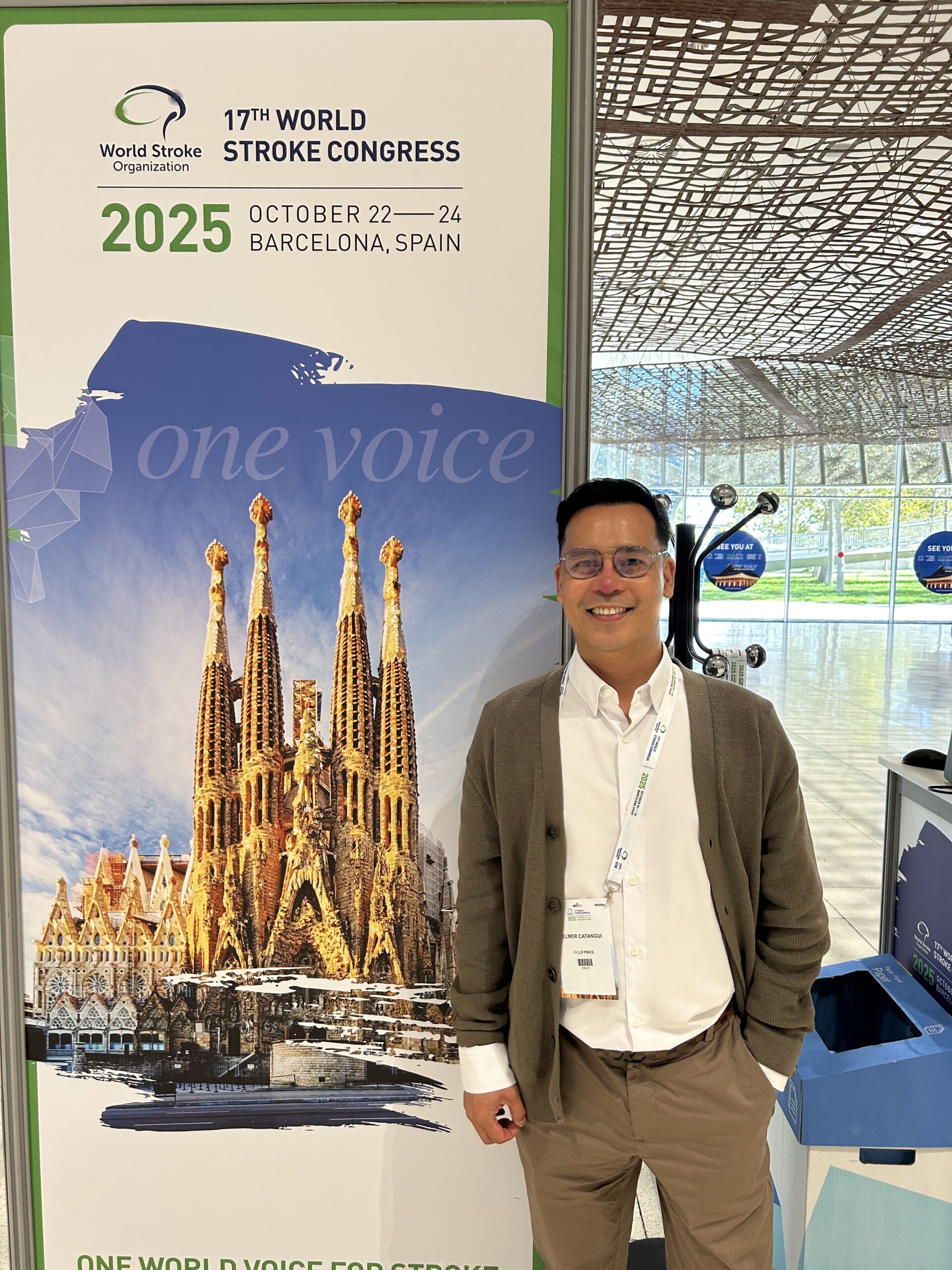
The reasons he left were practical and familiar to any kabayan working overseas: sharpening his skills and supporting family back home. What he didn’t expect was how much the distance would reshape his thinking. Working abroad, he says, taught him to read people across cultures — “each one of us is different and we learn from each other” — while opening doors to Europe, America, and the Middle East. The Filipino-British nurse frames the payoff as a paradox he’s made peace with: “the more you learn, the more you don’t know.”
What comes after the ward
His next chapter points toward the classroom. Elmer wants to become a professor of nursing, teaching future leaders to think strategically and to fold compassionate leadership into everyday practice. For those weighing the same leap, the veteran clinician is blunt about the early strain. “It is normal that they will feel overwhelmed,” he says, urging them to hold onto their reasons — professional growth, financial stability — and to save for what comes next. “Earn and live a life, but learn to save money for your future.”
